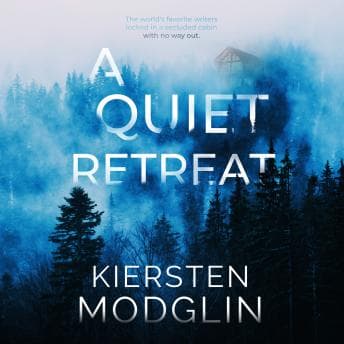

Five authors. One creepy manor. A mystery that writes itself. Look, I went into this expecting a fun, trashy thriller to get me through a particularly brutal week of grading papers. What I got was... well, exactly that. But also a fascinating case study in group dynamics under pressure.
Here's the thing about Kiersten Modglin's setup: it's almost too perfect. Writers gathered at a remote retreat, each with their own secrets, slowly turning on each other as strange things happen? The meta-narrative potential is delicious. Authors who spend their lives plotting murders suddenly finding themselves inside one of their own stories. My psychology brain was absolutely eating it up.
When Paranoia Becomes the Real Antagonist
What makes this work - and I mean really work - is how Modglin captures the spiral of suspicion. The broken property, the missing items, the weird noises. Each incident is small enough to explain away, but the cumulative effect? Classic paranoid ideation pattern. I found myself mentally cataloging which characters exhibited confirmation bias, who was catastrophizing, who was in denial. (Yes, I analyze fictional characters like research subjects. My dissertation committee created a monster.)
The pacing is tight - almost too tight for a five-hour listen. Things escalate quickly, which keeps you engaged but doesn't always give the psychological tension room to breathe. Flicker in the Dark nails that slow-burn paranoia in ways this one only hints at. I would've loved more slow-burn moments where the authors are just... watching each other. That's where the real horror lives.
But here's where I have to be honest: the motive reveal landed with a thud for me. After all that buildup, the "why" behind everything felt - how do I put this gently - like something out of a high school cafeteria drama. Petty. Juvenile. I've seen revenge done right in thrillers like Flicker in the Dark, where the motive has actual psychological weight. The research actually shows that revenge motives need proportionality to feel satisfying, and this one missed the mark. I literally paused my jog to say "Really?" out loud. A passing cyclist gave me a look.
Carly Robins Carries the Weight
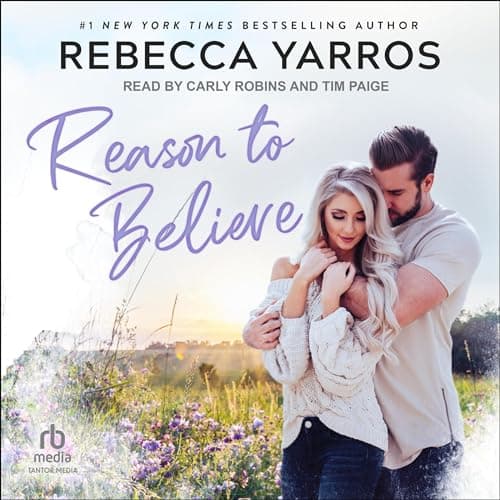
Okay, so the plot stumbles at the finish line. But Carly Robins? She absolutely saves this from being a skip. Her character differentiation is sharp - you always know who's speaking, which in a book with five authors plus supporting characters is no small feat. The paranoia in each voice builds gradually, and she nails the mounting tension.
What I appreciated most was her restraint. She doesn't oversell the scary moments. The horror creeps in through subtle shifts in tone, which is way more effective than theatrical gasping. (My therapist would have thoughts about why I find understated terror more unsettling. We're working on it.)
The production is clean, no weird audio glitches or volume issues. At 1.25x speed, it hit the perfect pace for my morning runs through Cambridge.
The Psychology Nerd's Take
Here's what makes this character compelling - or rather, what makes ALL of them compelling: they're writers. People who spend their lives inside other people's heads, constructing motivations, building psychological profiles. So when they're forced to apply those skills to each other in a life-or-death situation? The meta-commentary practically writes itself.
Modglin understands something important about human nature: we're terrible at reading the people closest to us. These authors can construct elaborate fictional psychologies but can't see what's right in front of them. That's not a plot hole - that's accurate. Familiarity breeds blind spots. The protagonist exhibits classic overconfidence bias, and honestly, so do most of the others.
Would I Recommend This?
Look, if you want a fast, engaging thriller that'll keep you company on a commute or a workout, this delivers. Carly Robins is worth the listen alone. But if you need your mysteries to stick the landing with airtight logic and mature motivations? Maybe sample first.
I finished it. I was entertained. I immediately started analyzing the group dynamics like it was a case study. But I also can't stop thinking about how much better that ending could have been. The setup deserved a payoff with more psychological depth.
Still - for a nearly six-hour listen that I finished in three days? That says something. Even when the "why" disappointed me, the "how we got there" kept me hooked. And sometimes that's enough.