
It was 11:15 PM on a Tuesday. I had a stack of sophomore essays on Lord of the Flies staring me down from the kitchen table—and let me tell you, if I read one more sentence about how "Piggy represents the glasses," I'm going to lose it. My eyes were burning. I needed a reset button. Not a whole novel. Just a shot of espresso for the brain.
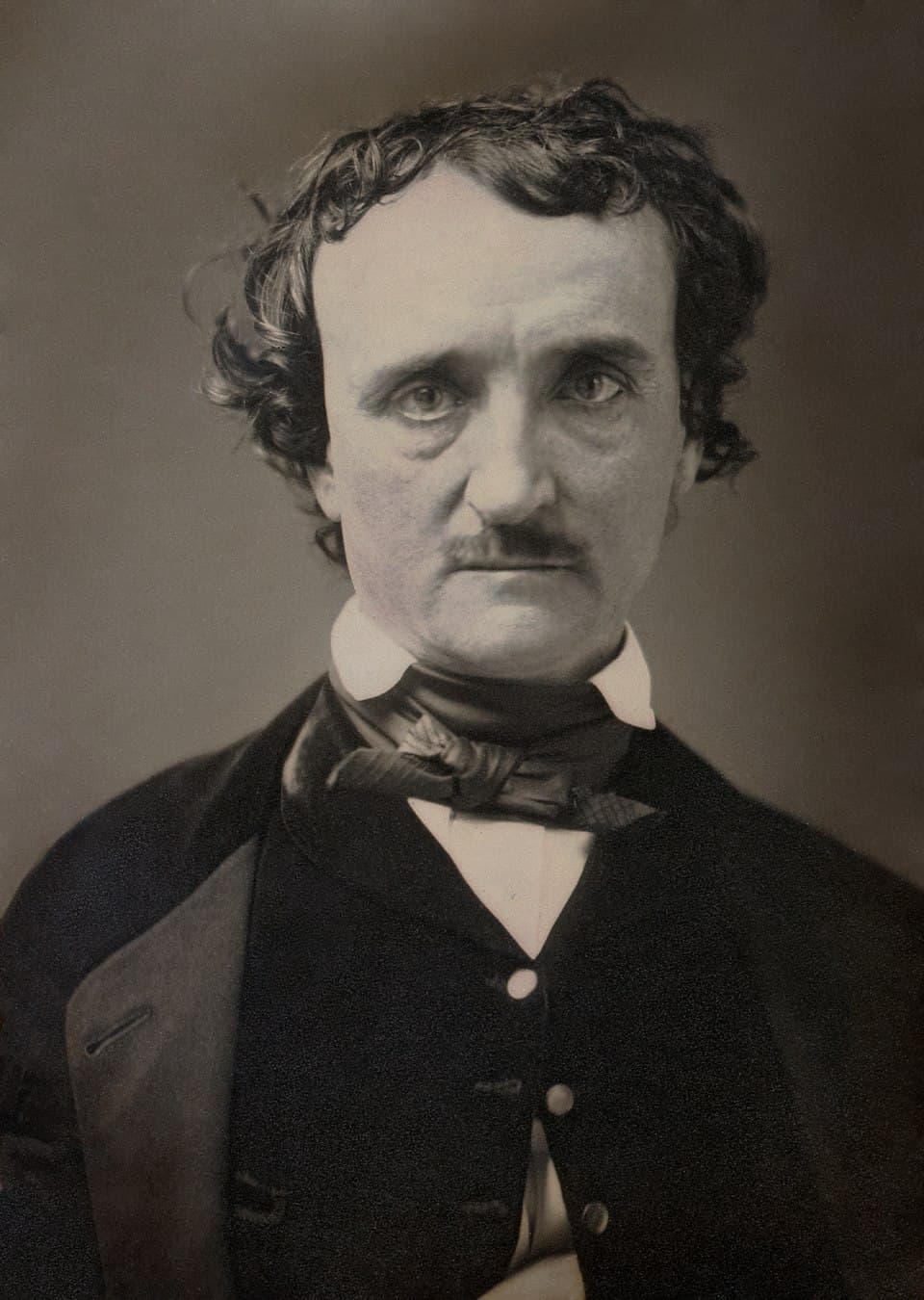
So I pulled up The Tell-Tale Heart.
(Yes, I know. Relaxing with a story about dismemberment and paranoia says a lot about the current state of public education. Don't analyze me.)
The Sound of a Cracking Mind
Here's the thing about teaching Poe to teenagers: they think horror means jump scares and CGI monsters. But real horror? It's the voice inside your head that won't shut up.
Don Morgan, the narrator here, gets that.
I hadn't listened to Morgan before, but he nails the specific frequency of "nervous." You know that feeling when you've had four coffees and you're vibrating? That's where he starts. He doesn't come out the gate screaming. He starts with this frantic, desperate rationality. He's trying to convince you, the listener, that he's perfectly sane.
And that's the trick.
If a narrator plays this guy as a monster immediately, it's boring. Morgan plays him as a guy who is just trying to explain. The way he hits the pauses—especially when describing the old man's "vulture eye"—it actually made me put down my red pen. He captures that breathless, stuttering rhythm that Poe is famous for.
My wife walked in while I was listening to the part where the heart starts beating under the floorboards. Morgan's intensity was ramping up, getting louder, faster. She just looked at me, looked at the speaker, and said, "You need a vacation, Marcus." (She's right.)
Why Poe Belongs in Your Ears
I preach this to my students until they roll their eyes, but audio is actually the correct way to consume Poe.
Seriously. The man wrote poetry and prose to be heard. He was obsessed with the sound of words—the rhythm, the cadence. That obsession is all over Six Creepy Stories by Edgar Allan Poe, where you get a full buffet of his rhythmic madness. Reading it on a page is fine, but hearing it? That's performance art.
This production is only 19 minutes long. Shorter than a sitcom episode. But in that time, Morgan builds more tension than most 400-page thrillers I've read this year. It's efficient. It's brutal.
The audio quality is clean, no distracting background hiss, which is crucial because silence is a character in this story. When the narrator is waiting in the dark for an hour without moving a muscle? You need to feel that silence. Morgan lets it hang there just long enough to make you uncomfortable.
Who's This For?
If you want a quick psychological gut-punch—something you can finish during a lunch break or between grading sessions—this is it. Perfect for Poe newcomers and English teachers who need to remember why they fell in love with this stuff in the first place. Skip it if you need action or plot twists; this is all atmosphere and one man's unraveling mind.
Cold Coffee, Warm Paranoia
Look, you probably read this in high school. You probably skimmed it so you could pass a quiz. But listening to it as an adult? It hits different. It's a reminder of how fragile the human mind is.
Don Morgan delivers a performance that does justice to the material. He doesn't overact (which is a huge risk with Poe), but he doesn't hold back either.
It's the perfect palate cleanser between grading sessions. If you want another quick Poe fix with that same psychological intensity, Murders in the Rue Morgue scratches a similar itch in about the same runtime. Or maybe the worst one. Now I'm looking at my students' essays and wondering what they're hiding under their floorboards.
(Kidding. Mostly.)