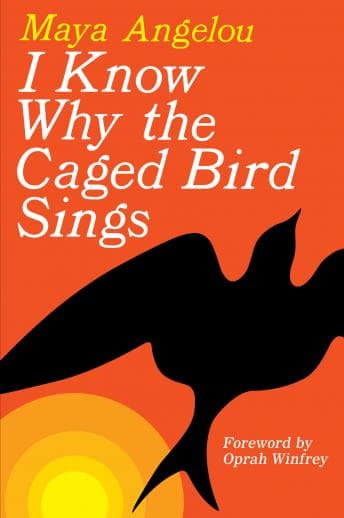

Look, I've taught this book for fifteen years. I've read it until the paperback covers fell off and I had to tape them back together with that terrible blue painter's tape from the art supply closet. (My budget for classroom supplies is $0, so we improvise.)
I thought I knew this story. I thought I knew the rhythm of Stamps, Arkansas, and the dusty shelves of the Store.
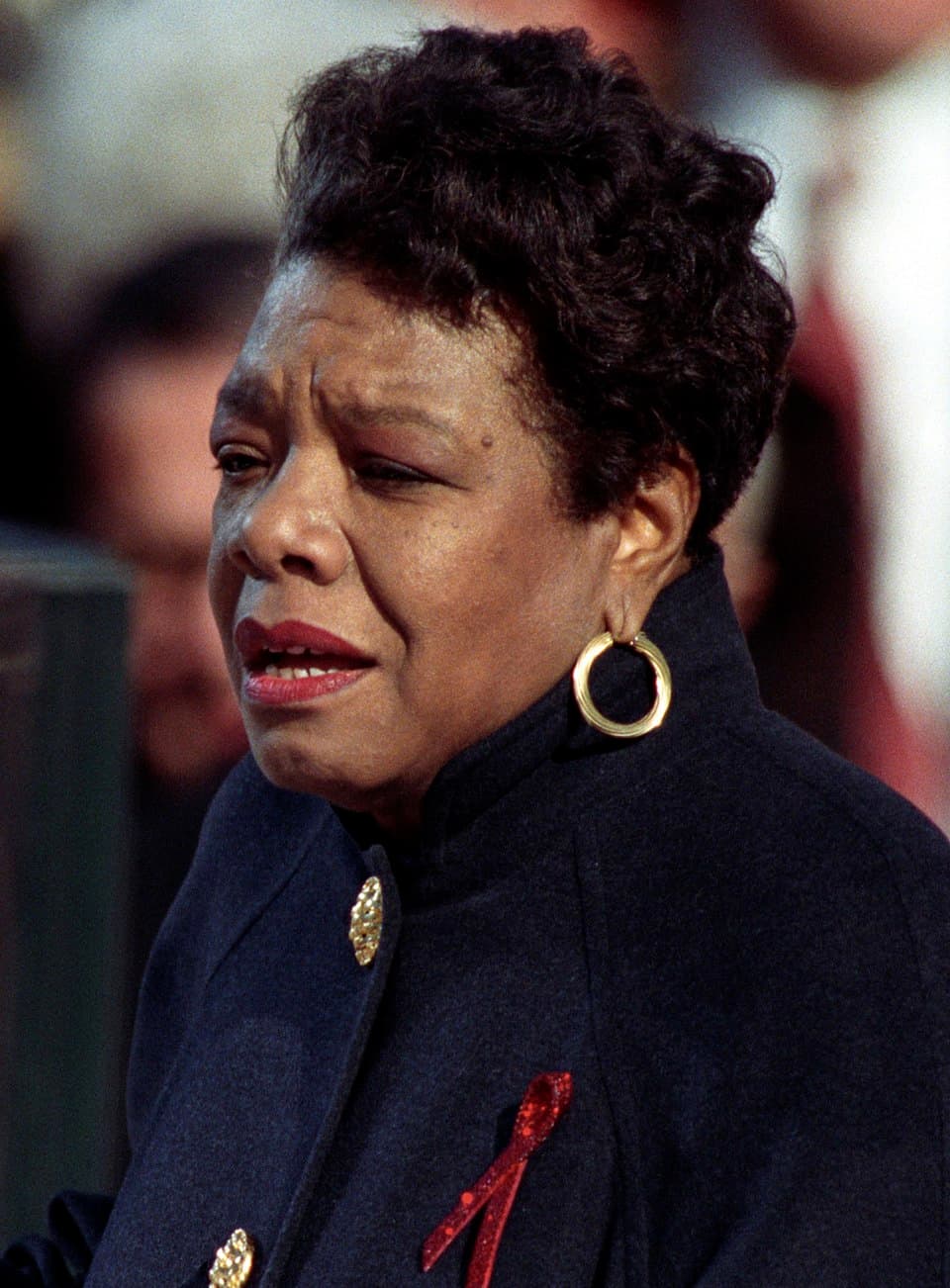
But then I listened to Maya Angelou read it herself. And honestly? I feel like I've been reading it wrong for two decades.
Here's the thing about author-narrated audiobooks: usually, they're a trap. Writers think because they wrote the words, they know how to perform them. They don't. Usually, it's flat. Boring. But Dr. Angelou? She wasn't just a writer. She was a performer. A poet. A force of nature.
Her voice in this recording isn't just "reading." It's an instrument. It's deep, slow, and incredibly deliberate. She treats every single syllable like it costs money to say.
(And yes, I listened at 1.0x speed. If you speed this up to 1.5x, you are committing a crime against literature. I don't make the rules. Actually, I do. It's my classroom.)
The way she voices "Momma" (her grandmother) is just... devastating. You can hear the steel in the woman's spine. You can hear the unsaid things in the pauses. That's something my students miss when they skim the text for the answers to the quiz—the silence between the sentences. Angelou understands that silence is part of the story.
Be warned, though. This isn't a light listen. Obviously. If you know the book, you know it deals with sexual assault, racism, and the kind of crushing abandonment that makes you want to hug your own kids a little too tight. (I definitely got weird looks from Denise while we were walking the lakefront because I was visibly tearing up during the St. Louis section. I blamed the wind. She didn't buy it.)
Hearing Angelou recount her own trauma—in that steady, dignified voice—is rough. It hits different than text on a page. It feels less like a story and more like a confession or a testimony. There's a specific weight to it.
Is it perfect? Technically, maybe not for everyone. The pacing is very slow. It's methodical. If you're used to thrillers where people talk a mile a minute, you might get impatient. And the timeline jumps can be a little confusing if you aren't paying attention (or if you're grading essays while listening, which I definitely wasn't doing, Principal Martinez).
But the prose? "The brute insult of bigotry." I mean, come on. Who writes like that anymore?
My students usually complain that this book is "depressing." And yeah, it is. But listening to it, you get the humor too. The irony. The survival. It's not just a tragedy; it's a victory lap. I got that same sense of resilience—survival wrapped in something beautiful—from Firekeeper's Daughter, which my students actually chose for our spring unit.
Who Should Listen (And Who Should Skip)
If you've never read it, listen to it. If you read it in high school and only remember the "caged bird" metaphor because it was on the final exam, listen to it. Skip it if you need fast pacing or can't handle heavy subject matter right now—no judgment, but this one demands your full attention and emotional bandwidth.
It's the difference between reading sheet music and hearing the symphony.