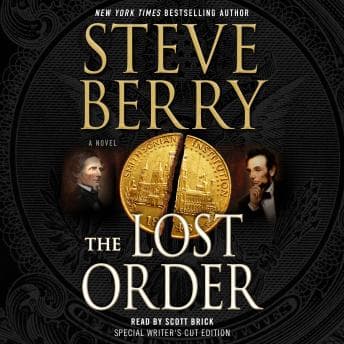

Let me cut to the chase - I finished this one during a solo drive to a client site in Houston, four hours of I-10 and Steve Berry keeping me company. Ranger was home with Linda, so it was just me, Scott Brick, and the Knights of the Golden Circle. And honestly? That's a solid crew for Texas highway monotony.
The Smithsonian as a Character (No, Really)
Berry does something clever here that I didn't expect. The Smithsonian Institution isn't just a backdrop - it's practically a character with its own secrets and loyalties. The scenes set in the museum's back rooms and storage facilities feel lived-in, like Berry spent serious time wandering those halls with a notepad. When Cotton Malone starts connecting dots between his Confederate ancestor Angus "Cotton" Adams and the institution's founding, the historical layers actually work. Not every thriller writer can pull off the dual-timeline thing without one storyline feeling like homework. Berry manages it.
The Knights of the Golden Circle premise hooked me immediately. Billions in buried Confederate gold, a secret society that actually existed, and treasure hunters who've been chasing it since 1865? That's the kind of historical foundation that makes a thriller feel grounded instead of gimmicky. I've worked with clients who've dealt with actual secret society nonsense - corporate espionage dressed up in fraternity rituals - so the idea of a clandestine organization surviving 160 years doesn't strike me as far-fetched. People are weird about tradition and money.
Scott Brick Does the Heavy Lifting
Brick's narrated close to 700 audiobooks, and you can tell. The man knows how to pace a 16-hour thriller without burning out your ears. His approach here is straightforward - smooth delivery that shifts focus between the historical secret society characters and the contemporary conspirators without getting cute about it. No theatrical accents that make you cringe. No weird vocal choices that pull you out of the story.
What I appreciated most: Brick understands that political thriller tension comes from pacing, not volume. When the corrupt politicians and judges start circling - and there's a reckless Speaker of the House involved, which felt uncomfortably plausible - Brick doesn't oversell it. He lets the conspiracy breathe.
The Writer's Cut edition includes Berry's own commentary, which is a nice touch if you're into the behind-the-scenes stuff. I listened to both versions over the course of a week, and the author commentary added context without feeling like a director's cut that should've stayed on the cutting room floor.
Where It Lost Me (Briefly)
The plot juggles a lot of balls - Cotton Malone's personal connection to the knights, Danny Daniels and Stephanie Nelle facing their own threat, Cassiopeia Vitt doing her thing, the bitter Senator's widow with political ambitions. Around hour 10, during the Arkansas woods section, I had to mentally reset who wanted what. Berry gets it back on track by the New Mexico mountain climax, but there's a middle section where the mission objectives get muddy.
Also - and this is minor - there's a chapter 12 scene involving elder abuse that caught me off guard. Not gratuitous, but darker than the rest of the book's tone. Worth knowing if you're sensitive to that.
Who Should Deploy This One
If you've been following the Cotton Malone series, this is apparently one of Berry's best. I came in cold and had no trouble tracking the characters, but series fans will get more from the callbacks. If you like your thrillers with historical meat on the bones - actual research, actual secret societies, actual treasure that may or may not still be buried somewhere - this delivers.
Skip it if you need constant action. This is a slow-burn conspiracy thriller, not a shootout every chapter. The payoff is in the unraveling, not the explosions. Girl on the Train works the same way—tension built through reveals, not body count. (Linda would be disappointed.)
Mission Debrief
Sixteen hours is a commitment, but Berry and Brick make it worth the windshield time. The historical conspiracy holds up, the narrator knows what he's doing, and the Smithsonian scenes alone justify the credit. Ranger didn't hear this one, but I'm calling it approved on his behalf. Worth your time if you've got the patience for a slow-burn treasure hunt with political teeth.