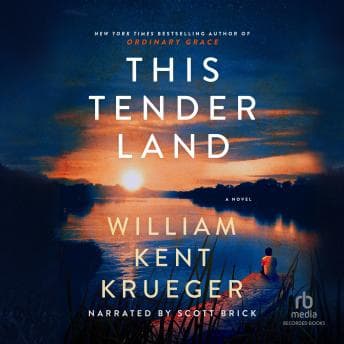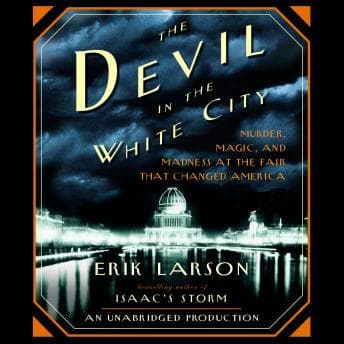

The Vibe Check
Look, I know what you're thinking. "Jordan, isn't this technically history? Why is the host of The Witching Hour reviewing a book about architecture and a World's Fair?"
Because it's about H.H. Holmes. Obviously.
I listened to this over the course of a week, mostly during my late-night shifts at the library when the stacks get that weird, heavy silence. (And yes, walking through the biography section while listening to a guy build a literal murder castle is a choice. A great choice? Maybe not for my blood pressure. But for the vibes? Immaculate.)
Here's the thing about Devil in the White City: It understands that true horror isn't just about the monster. It's about the camouflage. And Scott Brick? He gets it.
The Voice of Doom
Let's talk about Scott Brick. I know he's polarizing. Some people think he's too dramatic, that he reads a grocery list like it's the opening scroll of an apocalypse movie.
But for this book? Literally perfect.
Brick has this sardonic, almost smug edge to his voice that fits the material like a glove. He sounds like he knows a secret that's going to ruin your life, and he's enjoying the slow reveal. When he's narrating the sections about Daniel Burnham and the architects building the White City, he sounds stately—almost regal. But he keeps that same tone when he switches to Holmes buying a kiln to burn bodies.
That's the horror. The contrast.
There's a quote floating around that says Brick "makes everything sound sinister." Correct. He brings that same ominous weight to The Great Influenza, turning medical history into something that crawls under your skin. And when you're dealing with a psychopath who charmed all of Chicago while running a gas-chamber hotel, you need a narrator who sounds a little bit like the Devil himself. If you want a dry, academic reading, go elsewhere. Brick is performing here. He commits to the dread.
The "Eat Your Vegetables" Problem
Okay, I have to be real for a second. This book is essentially two books smashed together.
- A terrifying thriller about America's first serial killer.
- A very, very detailed account of landscape architecture and union disputes.
Larson loves his details. And honestly? Sometimes it drags. There were moments—somewhere around hour 8—where I was shouting at my car stereo, "I do not care about the soil composition of Jackson Park! Get back to the murder hotel!"
(Don't tell my library patrons I yelled at a book.)
But—and this is a big but—you actually need the boring parts. The frantic, desperate energy of the architects trying to build this perfect, magical "White City" creates the shadow that Holmes operates in. Without the blinding light of the Fair, Holmes is just a guy killing people. With it? He's a monster hiding in plain sight.
So, yeah. You might zone out during the committee meetings. I did. Shirley (my cat) definitely did; she fell asleep on the speaker. But stick with it. Because when the narrative snaps back to Holmes, the whiplash is delicious.
The Horror Factor
This isn't a jump-scare book. It's a "check the locks three times" book.
The way Holmes operates—the manipulation, the charm, the mechanical coldness of his "hotel"—is terrifying because it's real. And Brick's delivery of the darker scenes is chilling because he doesn't shout. He gets quieter. He gets smoother.
There's a section involving a vault and a footprint that actually made me stop shelving books and just stare at the wall for a minute. Brick nails that same quiet horror in Jurassic Park—different kind of monster, same creeping realization that you're already trapped. That's the dread I'm chasing. That's the good stuff.
Final Thoughts
If you're a horror fan who thinks history is boring, try this. It's basically American Horror Story: 1893, but with better research and no Ryan Murphy plot holes.
Is it too long? Probably.
Could it have used 20% less talk about Ferris Wheels? Absolutely.
But for the atmosphere? For the feeling of being slowly suffocated by a polite, handsome monster while the rest of the world celebrates? It's a triumph of dread. Just keep the lights on.
Who should listen: Horror fans hungry for true crime that reads like gothic fiction, history buffs who don't mind their Gilded Age served with a body count, and anyone who wants to understand why "charming" is the scariest adjective. Who should skip: If you need constant action or can't tolerate long stretches of architectural minutiae between murders, this one will test your patience.