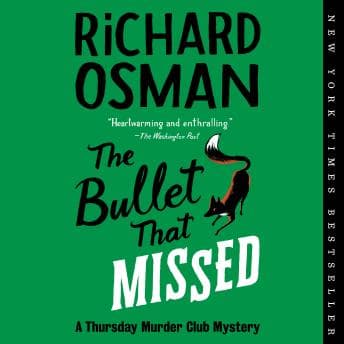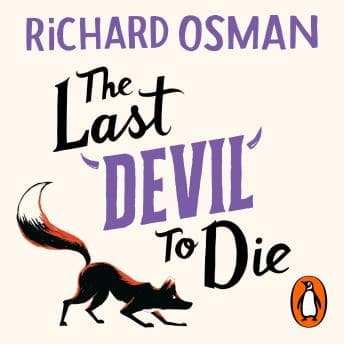

I was listening to this while meal-prepping a curry that was definitely too spicy for a Tuesday, and I found myself just staring at the pot, forgetting to stir. Richard Osman has tricked us. He sold us a cozy mystery series, but he's secretly writing a dissertation on grief. And I am here for it.
Most mysteries treat death as a puzzle to be solved. A body drops, we find the clues, order is restored. But Last Devil To Die? It understands that death is actually just messy, lingering chaos. Second Wife plays with that same messiness, though it leans harder into the psychological unraveling than the cozy bits. (My mother would hate it; she likes her stories wrapped up with a bow. Sorry, Maa.)
Fiona Shaw's Quiet Devastation
Fiona Shaw narrates this one. And look, I know some people get attached to the author reading their own work—research suggests we crave that authentic connection—but Shaw brings a theatrical gravity that this specific story needed.
She does this thing with Elizabeth's voice. Elizabeth is usually the alpha, the spy, the one in control. But Shaw injects this tiny, barely-there tremor when she speaks about her husband, Stephen. It's subtle. Psychologically, it tracks perfectly. It's the sound of a control freak realizing she's helpless.
And then she flips to Joyce, who sounds like she's just happy to be included, even though we all know Joyce is the one who gets things done. Shaw navigates those shifts without it feeling like a caricature. It's a performance, sure, but it feels grounded in human behavior.
When the B-Plot Becomes the Whole Point
Let's be real for a second. The actual murder mystery? The stuff about the antiques and the heroin? It's fine. A bit chaotic, honestly. There were moments during my morning jog along the Charles where I zoned out during the drug dealer talk.
But the B-plot? The storyline about dementia and the slow loss of self? That is where the knife twists.
As a researcher, I study how stories shape identity. Watching Stephen's identity erode—and watching his friends try to protect what's left of him—is gut-wrenching. A brutal case study in anticipatory grief. The way the group rallies around Elizabeth isn't just "friendship goals"; it's a survival mechanism. Humans are pack animals. When one is wounded, the others circle up. Osman gets that.
There's a scene near the end—I won't spoil it, but it involves a letter—that had me stopping dead on the sidewalk. I must have looked insane, just standing there in my running gear, tearing up over a fictional octogenarian. (Don't tell my students.)
Who's Going to Love This (And Who Won't)
If you want a fast-paced thriller where the plot moves like a metronome, this might annoy you. It meanders. It takes detours into feelings. It's not efficient. But if you're the type who reads for character psychology, who wants to understand why people grieve the way they do—this one's yours. Skip it if you need your mysteries tight and tidy.
Case Closed, Heart Still Open
The human mind isn't efficient either.
This book is a reminder that while solving murders is fun, the hardest mystery is figuring out how to let go of the people we love. It's dark, it's funny, and it hurts in a way that feels necessary.
So yeah. I'm emotionally exhausted. Five stars.