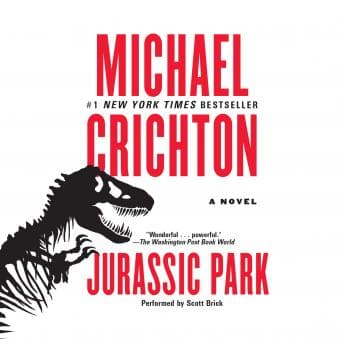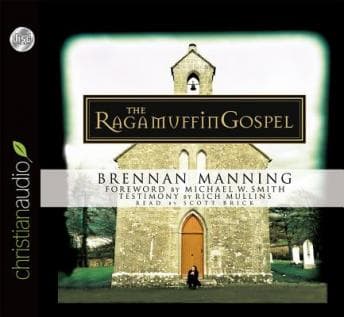

I was grading sophomore essays on The Great Gatsby at 11:47 PM - the stack that never ends - when Scott Brick's voice hit me with something Brennan Manning wrote about the difference between what we believe and what we really believe. And I just... stopped. Red pen hovering. Because that's the kind of book this is. The kind that interrupts you.
I've been teaching for twenty years. I've read more theology than I care to admit, sat through more faculty-mandated "wellness" seminars than any human should endure, and somewhere along the way I started treating my faith like another paper to grade. Story of Joan of Arc hit me the same way—faith as something lived, not analyzed. Check the boxes. Note the errors. Move on. Manning calls people like me out - gently, but he calls us out.
The Voice That Sounds Like Your Favorite Pastor
Scott Brick does something interesting here. His delivery is dramatic - and I mean that as a compliment - but it's also warm. Like a really good sermon from someone who actually believes what they're saying. Manning wrote this book to be heard. The man was a retreat leader, a speaker. His sentences have a rhythm meant for the ear, and Brick gets that.
There are pauses. Some listeners find them distracting, and I get it. But honestly? I think they work. Manning is asking you to sit with uncomfortable ideas about grace and unworthiness and the gap between who we pretend to be and who we actually are. A pause gives you space to do that. (Though if you're the type who listens at 2x speed - and I know you're out there - this might drive you nuts.)
Brick captures what I'd call the "educated minister" tone. Not preachy in the eye-rolling sense. More like... a wise friend who's been through some things and isn't going to pretend he has it all figured out. That's Manning's whole deal, and Brick honors it.
Where the Gut-Punch Moments Live
Look, I'm an English teacher. I'm supposed to analyze texts, find the thesis, identify the rhetorical strategies. But this book kept slipping past my analytical defenses. Manning writes about grace the way Hemingway wrote about courage - spare, honest, and somehow devastating.
The central idea isn't complicated: God's love isn't earned. We're all ragamuffins - messy, broken, insufficient. And that's... okay? That's the point? I've known this intellectually for decades. I've taught it, in a way, through all those novels about flawed characters finding redemption. But Manning makes you feel it.
Here's the thing that got me. He talks about how we beat ourselves up over failures and then pull away from God because we assume He's disappointed. I do this. I do this with my students, with Denise, with myself. The internal scorekeeper never stops tallying. Manning says that scorekeeper is a liar.
(My students would hate this book, by the way. Too slow, too earnest, not enough plot. But someday, when they're forty-five and exhausted and wondering why they can't just accept that they're enough - maybe then.)
A Note on the Audio Production
One weird thing: the chapter breaks are based on old CD divisions, not the actual book chapters. A little disorienting if you're trying to find your place. Not a dealbreaker, but worth knowing.
The production is clean. No weird audio glitches, no background noise. Just Brick's voice and Manning's words. At six hours and change, it's the perfect length for a week of lakefront walks - which is exactly how I finished it. Denise asked why I kept stopping to stare at the water. I didn't have a good answer.
This edition includes study questions and an epilogue Manning wrote ten years after the original publication. The epilogue hits different when you know about his struggles with alcoholism, his failures, his very public imperfections. He wasn't writing theory. He was writing testimony.
Who This Is (and Isn't) For
If you're looking for systematic theology or rigorous apologetics, this isn't it. Skip it. But if you're burned out on religion that feels like performance, if you're tired of pretending you've got it together, if you've ever felt like a fraud in your own faith - this is the book.
Red Pen Down, Heart Open
Yeah. I think I have to listen again.
Not because it's a masterwork of prose - though Manning can write, make no mistake. But because I need the reminder. I need someone to tell me, in Scott Brick's steady, dramatic, reassuring voice, that the God I claim to believe in isn't keeping score the way I am.
I'm adding it to my podcast list. Episode 48: "The Ragamuffin Gospel and Why We Can't Accept Grace." My mom will probably fall asleep during it. But maybe she'll hear the important parts first.