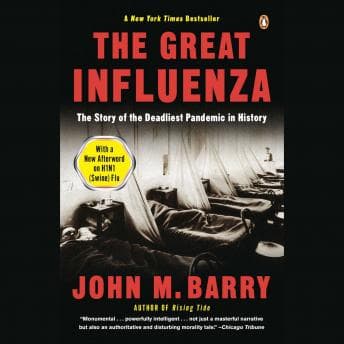

Look, I picked up this audiobook in early 2020. You know, right before everything went sideways. Talk about timing.
I was driving from Austin to Houston for a client meeting - one of those three-hour slogs through nothing but flat Texas highway and truck stops. By the time I hit Bastrop, I was completely hooked. And honestly? A little terrified. Because John M. Barry wasn't just telling me about 1918. He was basically handing me the playbook for what was about to happen.
The Mission Brief You Didn't Know You Needed
Here's the thing about this book - it's not really about the flu. I mean, it is, but it's also about institutional failure. About what happens when leadership prioritizes morale over truth. About how systems break down when nobody wants to be the one to say "we have a problem."
Sounds familiar, right?
Barry spends a significant chunk of the book building up the American medical establishment before the pandemic hits. At first I was impatient - just get to the plague already. But he's doing something smart here. He's showing you the people who are about to get tested. William Welch. Simon Flexner. These weren't just doctors. They were trying to drag American medicine out of the dark ages. And then 1918 happened and everything they'd built got stress-tested to destruction.
The military angle hit different for me. Camp Funston, where this thing probably started, was basically a petri dish. Young men packed together, poor sanitation, wartime secrecy preventing honest communication about the threat. I've seen versions of this scenario play out in real life - not pandemics, but the same institutional blindness. The same "don't rock the boat" mentality that gets people killed.
Scott Brick as Your Guide Through Hell
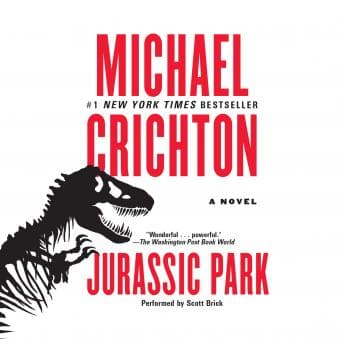
Now, Scott Brick. I've listened to probably a dozen books he's narrated, and the man knows how to hold attention. He brought that same command presence to Jurassic Park: A Novel, though that was obviously a lighter ride. His style here is... let's call it authoritative. Like a really good briefing officer who happens to have a flair for the dramatic.
Some folks complain he's too theatrical for nonfiction. I get it. There are moments where he leans into the horror a bit hard - we're talking about millions of people dying, it's already horrific, you don't need to underscore it. But honestly? For a 19-hour listen, you need someone who can keep you engaged. Brick does that. He makes the dense medical science accessible without dumbing it down.
The pacing works. Barry's book is detailed - really detailed - and Brick handles the shifts between narrative and exposition cleanly. When we're in the trenches with dying soldiers, it feels urgent. When we're in the lab watching researchers desperately try to identify the pathogen, it feels methodical. That's not easy to pull off.
Where It Gets Heavy
Fair warning: this is not a light listen. The descriptions of what this flu did to people are brutal. Healthy adults drowning in their own fluids within hours. Bodies stacked in morgues. Mass graves. Barry doesn't sensationalize it, but he doesn't flinch either.
There's a section about Philadelphia - they held a massive parade despite warnings, and the city basically collapsed afterward. Officials who knew better but stayed silent because they didn't want to hurt morale... (Sound familiar yet?)
I had to pause a few times. Ranger - my German Shepherd - probably wondered why I was just sitting in the driveway staring at nothing.
SITREP
This book won all kinds of awards and got namechecked by every public health official during COVID for good reason. It's not just history. It's a case study in how societies fail - and occasionally succeed - when facing existential threats.
Is it long? Yes. Is every chapter essential? Probably not - there are stretches where Barry goes deep into medical research history that might lose some listeners. But the core narrative is gripping, and Brick keeps you locked in.
Who should listen: Anyone interested in pandemic history, institutional failure, or how leadership decisions ripple through crises. Skip it if: you need a quick read or can't stomach graphic descriptions of mass death.
Worth your time? Absolutely. Especially at 1.25x speed - Brick's pacing can handle it. This is the kind of book that makes you smarter and more skeptical of official narratives in the best possible way.
Ranger approved this one. So do I.