
The Oregon Files series is basically comfort food for guys like me - you know exactly what you're getting, and that's not a complaint.
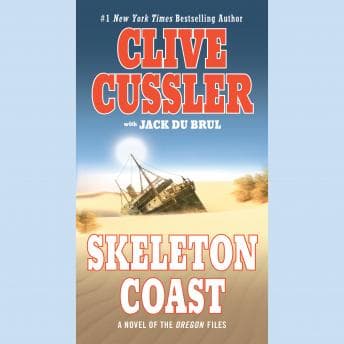
I finished Skeleton Coast on a round-trip drive to Houston for a client site assessment. Sixteen hours of I-35 and I-10, Ranger riding shotgun, and Juan Cabrillo keeping us both awake through some truly monotonous stretches of Texas highway. And look, this book delivered exactly what I needed it to deliver.
Four Englishmen, a Desert, and Stolen Diamonds
Let me cut to the chase - Cussler and Du Brul open this thing with a flashback sequence of four men fleeing across the Kalahari Desert with a cache of stolen diamonds, and it's genuinely good scene-setting. It hooks you immediately because it's disconnected from everything you know about the Oregon crew, and you're sitting there wondering how this historical thread is going to weave into Cabrillo's present-day operations. That's smart storytelling. The problem? That diamond-smuggling subplot kind of fizzles. By the time the pieces connect, you've almost forgotten why you cared about those Englishmen in the first place.
The main plot has Cabrillo and crew fresh off a messy Congo River operation when they intercept a distress call from a woman named Sloane Macintyre whose boat is taking fire off the African coast. Standard rescue-the-damsel setup, sure, but then she starts talking about a fisherman who claims he was attacked by giant metal snakes in open water. That's where my ears perked up. Giant metal snakes? In the ocean? Okay, Cussler, you've got my attention.
What follows is a trail that leads to a militant leader with a cult following and plans to weaponize nature itself. The scale of the villain's scheme is appropriately bonkers for this series - we're talking environmental warfare that's just plausible enough to make you nervous. I've seen briefings on asymmetric threats that honestly weren't much less creative than what this guy's cooking up.
Where the Oregon Shines (and Where It Takes on Water)
The Oregon herself remains the best character in this series. The ship-as-weapon concept still works four books in. Cussler and Du Brul clearly did their homework on maritime operations - the tactical sequences aboard the Oregon feel right. Weapons systems, countermeasures, the way Cabrillo runs his crew like a tight special operations unit with corporate funding. As someone who's worked with private military contractors, the Corporation's structure is Hollywood-ized but not insultingly so.
But here's where it lost me in spots: the pacing is uneven. The action sequences are fast and kinetic - I was white-knuckling the steering wheel during a couple of the naval engagements - but the connective tissue between those sequences sometimes feels like the authors are just moving chess pieces around the board. There's a middle section, probably around hours six through nine, where I caught myself zoning out and thinking about my client's access control problems instead of paying attention. That's not great.
The Sloane Macintyre character is... fine. She's capable enough to not be dead weight, which is better than some Cussler women, but she's also pretty clearly there to give Cabrillo someone to protect and occasionally flirt with. Serviceable, not memorable.
Scott Brick Behind the Mic
Scott Brick is a workhorse narrator and he knows what he's doing with this material. His Cabrillo has the right blend of calm authority and dry wit. He shifts gears well between the quieter planning scenes and the full-throttle action. His pacing matches the book's energy - when things get loud, Brick gets urgent without going over the top.
I will say this: with a cast this large, some of the secondary characters start blending together vocally. There were a couple of moments where I had to rewind (at 1.25x, that's saying something) to figure out who was actually talking. Not a dealbreaker, but noticeable. Brick's emotional range is solid though - his delivery during the more intense combat sequences had genuine weight to it.
Who Gets the Green Light
If you're already invested in the Oregon Files, this is worth your time. Some fans call it the best in the series up to this point, and I can see the argument - the scope is bigger, the villain's plan is more ambitious, and the African setting gives everything a different flavor than the usual Cussler locales.
If you've never read Cussler? Don't start here. Go back to book one. You'll appreciate the crew dynamics more.
If you need literary fiction with deep character exploration? Wrong shelf entirely. This is a popcorn action novel and it knows it. Ember in the Ashes operates in that same lane - high-stakes action that earns its momentum without pretending to be something weightier than it is, and I respected it for that same reason.
Mission Debrief
Worth your time? Here's the debrief: Skeleton Coast is a solid entry in a reliably entertaining series. Not perfect - that diamond subplot needed more payoff, and the middle sags - but the action sequences deliver, the Oregon remains a fantastic fictional asset, and Scott Brick handles fifteen-plus hours without dropping the ball. Ranger slept through the slow parts and perked up during the firefights, which is basically a four-star review from him.
Good windshield time. Good Texas highway listening. Mission accomplished - with minor casualties.