
Stuck in bumper-to-bumper traffic on Mopac in Austin—standard Tuesday afternoon misery—when I decided to start the Oregon Files. I'd heard good things. A high-tech spy ship disguised as a rusty lumber hauler? That's the kind of operational deception I can appreciate. Reminds me of the Q-ships from the World Wars or some of the covert transport setups we used in the Middle East. Low profile, high capability. That kind of understated tension—where the surface hides something deeper—is what drew me to Before We Were Yours, though that one trades espionage for family secrets.
So I fired up Golden Buddha, expecting a gritty, tactical thriller to keep my blood pressure down while I idled next to a Prius.
Instead, I almost drove into the median.
The Mission Brief is Solid
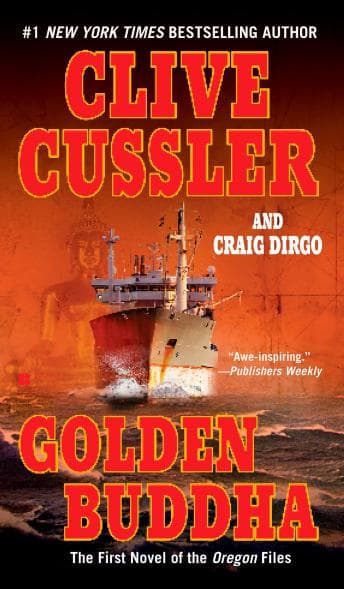
Let's separate the intel from the noise. The story itself? It works. Clive Cussler (and Craig Dirgo) knows how to structure an op. You've got Juan Cabrillo and the Corporation—basically high-end mercenaries with a conscience and a government black card. The objective: put the Dalai Lama back in Tibet by leveraging a stolen artifact and some Russian oil maps.
Complex, sure. A lot of moving parts. But that's how real operations go. Nothing is ever point A to point B. I liked the setup of the Oregon crew. They aren't just trigger-pullers; they're specialists. Felt a bit like the private security sector I work in now, just with way more budget and fewer lawyers breathing down their necks. If I was reading the paperback, I'd probably be nodding along, appreciating the tradecraft.
The Narrator Compromises the Op
But I wasn't reading the paperback. I was listening to J. Charles, and frankly, I'm not sure what happened in that recording booth.
Look, I've sat through briefings by lieutenants who were terrified of public speaking. I've listened to garbled radio comms in a sandstorm. This was harder to get through. The narrator attempts accents for the international cast—Russians, Chinese, Tibetans—and the result is... well, it's a mess.
Someone online compared it to the Swedish Chef from the Muppets, and I laughed out loud because it's accurate. It's not just bad; it's distracting. You're trying to focus on a high-stakes negotiation involving nuclear powers, and suddenly you're pulled out by a voice that sounds like a cartoon villain.
My German Shepherd, Ranger, usually falls asleep in the back seat when I listen to thrillers. About two hours in, even he was pacing. The differentiation between characters is muddy at best. I found myself rewinding—not because the plot was too thick, but because I couldn't tell who was talking. And when you have to rewind in Austin traffic, you're asking for a fender bender.
Mission Status: Abort Audio
I tried. I really did. Cranked the speed up to 1.5x hoping to smooth out the caricature-level accents, but that just turned it into a manic fever dream.
Here's the bottom line: The Oregon Files seems like a series worth my time. The tech is cool, the politics are cynical enough to be believable, and Cabrillo is a solid lead. But this specific audio production is a tactical failure. It compromises the mission.
Who should listen: If you want the Oregon Files experience, grab the paperback or Kindle. The story earns your attention. Who should skip: Anyone considering this audiobook. Your ears will thank you, and you won't be tempted to throw your phone out the window on the highway.