
If I have to read one more student essay where "nature" is described simply as "green and big," I might actually lose my tenure. Seriously. My students have the attention span of a goldfish on espresso. They want plot. They want dialogue. They want to know who kisses whom by chapter three. They do not want pages describing the way light hits a pine needle.
So, naturally, listening to John Muir is my rebellion.
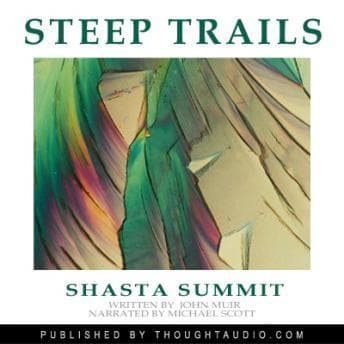
I found this little gem—Shasta: Excerpts From Steep Trails—while doom-scrolling for something short to listen to during my prep period. It's only 27 minutes long. That's shorter than the argument I had with a parent about why The Great Gatsby isn't "promoting adultery." But in those 27 minutes, Muir packs in more sensory detail than most modern novels do in 400 pages.
It's a specific kind of torture for a teenager, but for a burnt-out English teacher? It's therapy.
The Anti-TikTok Attention Span
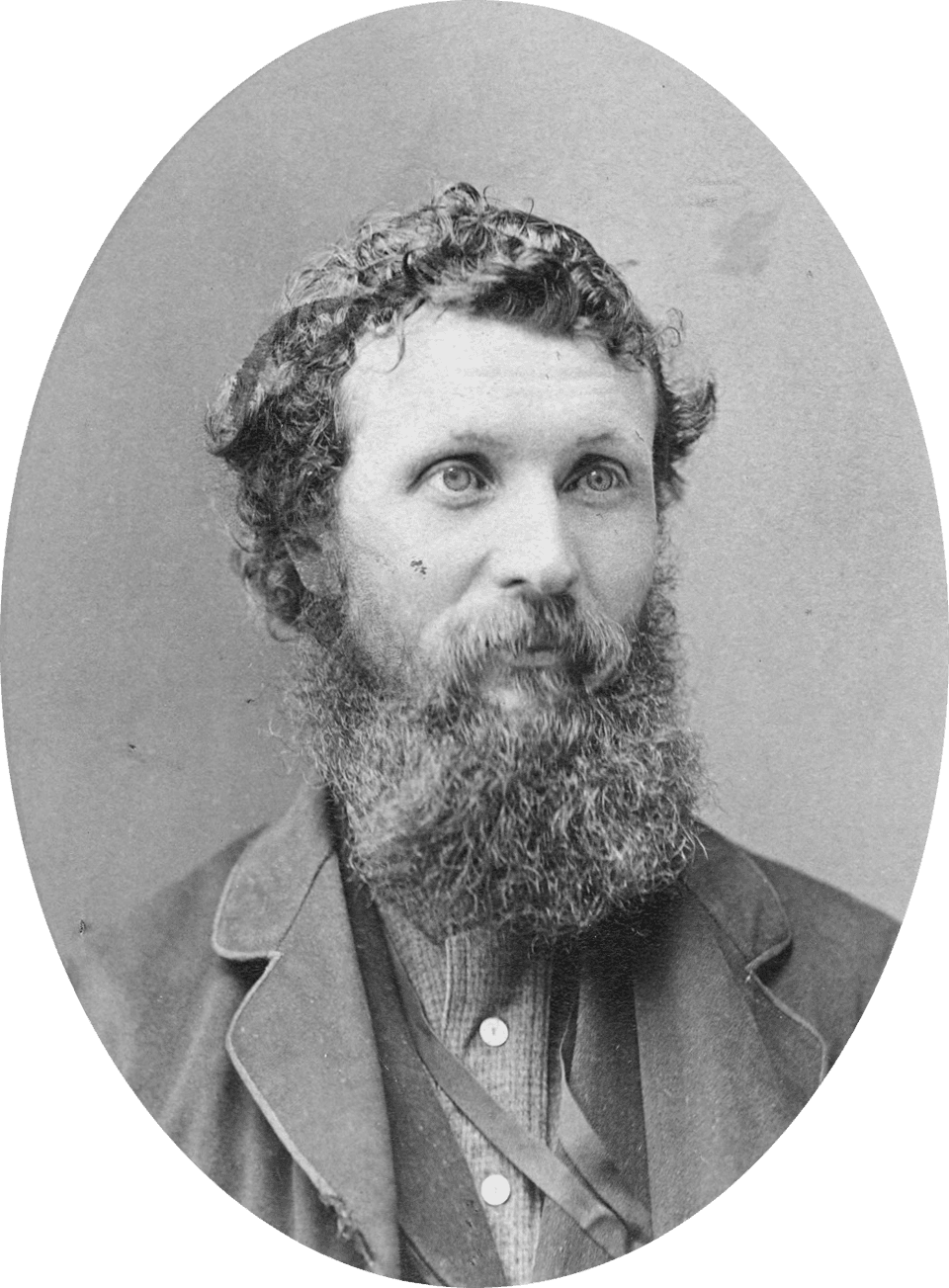
Here's the thing about Muir—and why I try (and usually fail) to get my AP students to appreciate him. He doesn't just look at a mountain. He obsesses over it.
This audiobook is basically a highlight reel of his time on Mount Shasta, and it's intense. We aren't just walking up a hill here. We're talking about a guy who sees the spiritual architecture in a snowstorm. The prose is thick. It's chewy. You have to actually listen to it.
(I tried playing a snippet for my wife, Denise, while we were walking the lakefront. She said, "That's nice, honey," which is code for "Please put your headphones back on so I can listen to my murder podcast.")
The centerpiece of this collection is the storm on the summit. This is where the "compare and contrast" part of my brain lights up. Modern adventure stories are all about the adrenaline—the conquest. Man vs. Wild. But Muir? He treats a life-threatening freeze like a religious experience. He's freezing his beard off, huddled in the snow, and he's writing about the beauty of the elements. It reminds me of the Romantics—Wordsworth or Shelley—where nature is this terrifying, beautiful thing that doesn't care if you live or die. It's the Sublime with a capital S.
The Voice in the Wilderness
Let's address the elephant in the room: The narrator is named Michael Scott.
(No, not that one. Please put the "That's what she said" jokes away. I deal with enough of that in 3rd period American Lit. I swear, half my job is managing meme references.)
This Michael Scott is the opposite of the Dunder Mifflin manager. He's grounded. Steady. He has this matter-of-fact delivery that actually works perfectly for Muir. Scott brings that same steady professionalism to United States Constitution, where restraint is everything. Muir's writing is already so flowery and ecstatic that if you had a narrator who over-acted, it would tip into parody.
Scott plays it straight. He reads with clear, appropriate enthusiasm—like a knowledgeable guide pointing out a trail marker rather than an actor trying to win an award. When Muir describes the biting wind or the "rugged outdoors," Scott's voice has a bit of grit to it, but he keeps the pacing measured. He lets the words do the heavy lifting.
My only gripe? It's too short. Just as I was really getting into the rhythm of the hike, it ended. It feels less like a book and more like a long, very eloquent voicemail from a friend who's currently freezing on a mountain.
Why We Need the "Slow" Stuff
We live in a world of 15-second videos and headlines that scream at you. Listening to this felt like hitting the brakes on the highway.
It's not for everyone. If you're looking for a plot twist, you're going to be disappointed. The mountain doesn't reveal it was a ghost the whole time. The trees stay trees. But that's the point.
It's a reminder that looking at something—really looking at it—takes time. Muir explores that same patient observation in Near View of the High Sierra, though I'll admit that one dragged a bit for me. I listened to this while grading a stack of truly abysmal essays on The Catcher in the Rye, and for 27 minutes, I wasn't in a fluorescent-lit classroom in Chicago. I was on Mount Shasta.
Who's Going to Love This (And Who Should Keep Scrolling)
If you're a nature writing fan, a Muir completist, or just someone who needs a 27-minute escape from the noise—this is your listen. Skip it if you need narrative momentum or can't stand prose that prioritizes beauty over action.
Is it going to change your life? Maybe not. But it's a beautiful, bite-sized piece of history that respects the English language in a way that makes this old teacher's heart happy. And sometimes, that's enough.