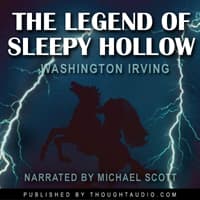

Not That Michael Scott (But Honestly, Maybe Better)
Look, I know what you're thinking. I saw the narrator's name and immediately pictured the Regional Manager of Dunder Mifflin reading me a ghost story. (Which, let's be real, I would totally pay to hear.) But this Michael Scott? He's the real deal.
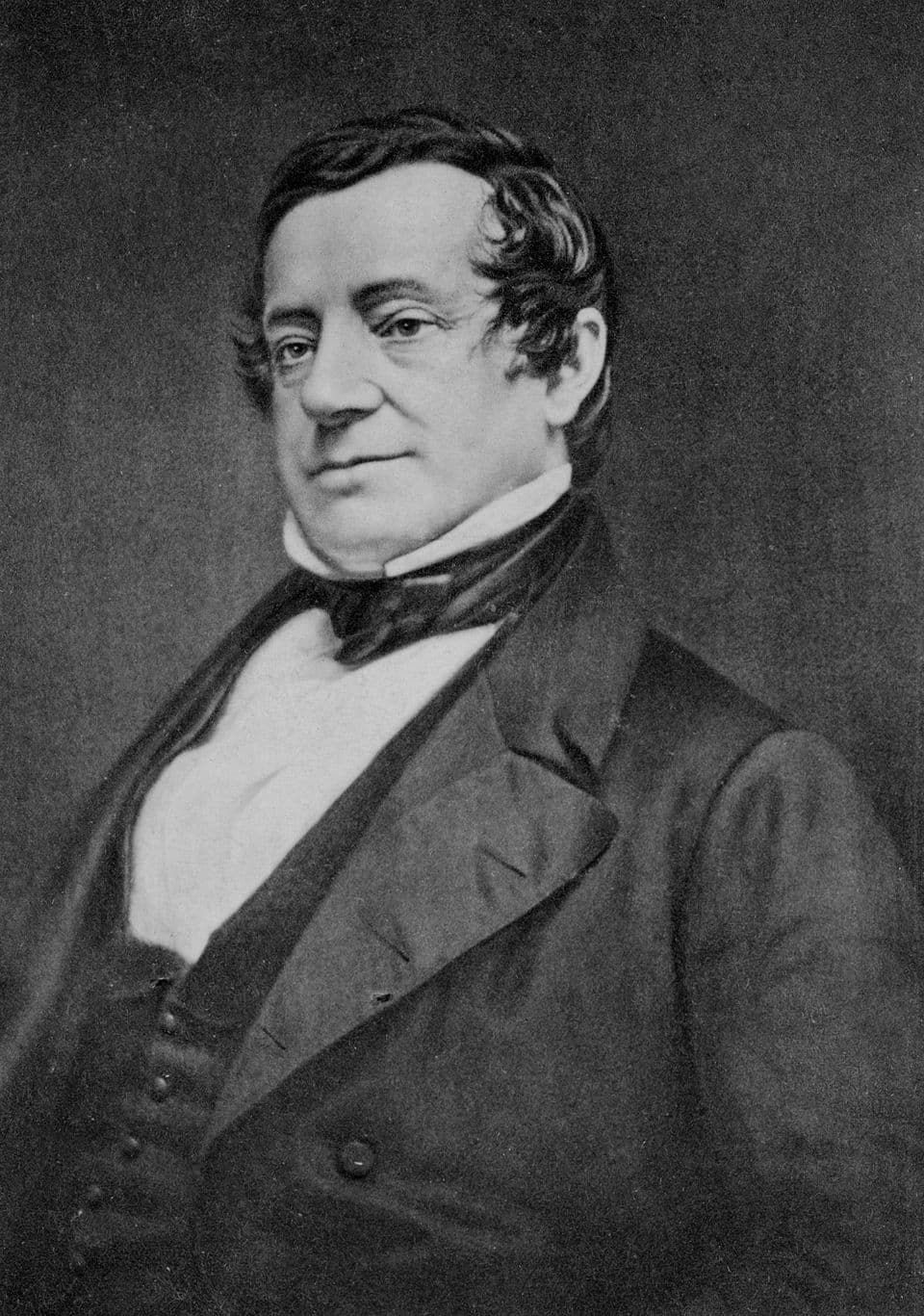
I listened to this on a particularly windy Tuesday while walking along Lake Michigan, trying to ignore the fact that I had a stack of sophomore essays on The Great Gatsby waiting for me at home. The sky was that bruised purple color you only get in October, and the wind was cutting right through my coat. Perfect setting. Honestly, if you aren't listening to Washington Irving while feeling slightly cold and uneasy, are you even doing it right?
It's a short listen—just over an hour. About the time it takes me to grade ten papers or regret eating a second slice of deep-dish. But man, does it pack a punch.
The Teacher in Me Needs to Talk About the Irony
Here's the thing my students always miss because they're too busy complaining about the vocabulary: The Legend of Sleepy Hollow is actually hilarious. Seriously.
Everyone thinks it's just this spooky story about a headless guy on a horse. But Irving was writing satire. Ichabod Crane isn't some tragic hero; he's a greedy, superstitious schoolmaster who wants to marry Katrina Van Tassel mostly because her dad is rich and has a lot of food. (As a teacher, I relate to the hunger, if not the gold-digging.)
And this is where the narrator, Michael Scott, absolutely nails it.
You need a specific kind of voice to pull off 19th-century irony. If you read it too straight, it's boring. If you camp it up, it's a cartoon. Scott has this fantastic, gravelly quality to his voice—like he's sitting in a leather armchair by a fire, swirling a brandy, telling you a story he heard from his grandfather. That same richness carries through his reading of Heart of Darkness, though the tone there is obviously much darker.
He understands that the sentence structure is part of the joke. Irving writes these long, winding descriptions of food and farms, and Scott navigates them with this rhythmic pacing that makes you realize: Oh, the author is making fun of Ichabod's gluttony. It's a performance, not just a reading. My mom (hi Mom!) usually drifts off when the sentences get too long, but I think even she'd stick around for this one just for the tone.
Atmosphere Over Adrenaline
If you're coming from modern thrillers where something explodes every four pages, you might need to adjust your gears. This is slow-burn atmosphere. It's about the vibe of the Hudson Valley, the mist, the "drowsy, dreamy influence" of the hollow. Pride and Prejudice operates on a similar wavelength—all social tension and witty observation rather than explosions.
Scott's delivery during the climax—the chase with the Headless Horseman—is great, but it's not an action movie. It's spooky because of the buildup. He drops his voice just enough to make you lean in.
(Side note: I paused this right at the climax to grab a coffee, and when I put my earbuds back in, the sudden volume of the horse's hooves nearly gave me a heart attack. So, kudos on the sound mixing, I guess?)
Who Should Listen (And Who Should Skip)
Perfect for: anyone who wants a complete, satisfying story in a single gym session or long commute. Fans of atmospheric, slow-burn eeriness over jump scares. People who appreciate 19th-century prose when it's performed rather than just read aloud.
Skip if: you need constant action or want genuinely terrifying horror. This is eerie, not scary by modern standards.
The Verdict
We don't read enough short stories anymore. We're obsessed with 40-hour fantasy epics. But there's something so satisfying about a story you can finish before your coffee gets cold.
This is the spiritual grandfather of every campfire story you've ever heard. And listening to it reminded me why I torture my students with classics in the first place—because the prose deserves to be savored, not skimmed.
Michael Scott (the narrator, not the paper salesman) brings a level of nuance that elevates this from "homework assignment" to "performance art."
Is it scary? By modern standards, not really. It's eerie. It's atmospheric. It's perfect for a chilly night when you want to feel a little spooked but still want to sleep afterwards.
Now, if you'll excuse me, I have to go read thirty essays about the Green Light. Wish me luck.