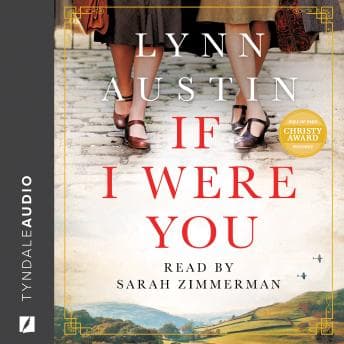
I was making pancit at 7 AM - Carlos's birthday week, so I was doing the whole spread before anyone woke up - and I had this playing through my kitchen speaker while julienning carrots. The kind of audiobook where you forget you're holding a knife because you're too busy grinning at a Victorian widow outsmarting everyone around her.
Frances Wynn got under my skin fast. American woman married into British aristocracy, widowed, and instead of crumbling she basically says "finally" and moves to Belgravia with her daughter. As the eldest daughter of a Filipino family who was supposed to be a doctor but became a nurse instead - look, I know something about navigating expectations while quietly doing exactly what you want. Frances has that same energy. She's polite about her rebellion, which somehow makes it more devastating.
When the Murder Is Almost Secondary to the Manners
Here's what I didn't expect: this book is as much about a woman reclaiming her life as it is about solving a crime. Yes, there's a murder investigation - her dead husband Reggie, the philanderer, may have been killed, and an anonymous letter points the finger at Frances. But the real tension? It's Frances managing her insufferable in-laws, launching her sister Lily's London season, and trying not to fall for her annoyingly charming neighbor George Hazelton - who happens to know exactly how Reggie died.
The mystery itself is... fine. Solid. The burglaries plaguing London's elite thread into the murder plot in ways that kept me interested but didn't have me white-knuckling my steering wheel. This isn't a dark procedural thriller. It's a cozy mystery wearing a really good corset. The whodunit matters less than watching Frances work the problem - rallying gossips as informants, using social etiquette as an investigative tool. She's basically running her own intelligence network over tea service. That clever-amateur-navigating-a-world-that-underestimates-her dynamic reminds me of what I loved about Sherlock Holmes: A Baker Street Dozen - the best mysteries in that collection work the same way, where the investigative method is half the pleasure.
What I genuinely appreciated: Dianne Freeman doesn't make Frances supernaturally clever. She gets things wrong. She trusts the wrong people. She's navigating Inspector Delaney's suspicion while hiding scandalous details about her marriage, and you can feel her calculating in real time what to reveal and what to protect. That felt real to me. I spend half my shifts deciding what information to give which doctor and when - it's a different kind of triage, but Frances would understand it.
Sarah Zimmerman Knows What She's Doing
Zimmerman's voice is just RIGHT for this. Her Frances is warm but controlled - you can hear the American underneath the practiced British social polish, which is exactly the point. She shifts between characters cleanly enough that I never lost track of who was speaking, even while multitasking in the kitchen. Her George Hazelton has this easy, slightly teasing quality that makes you understand why Frances keeps finding excuses to talk to him. And the in-laws sound appropriately insufferable.
No vocal fireworks here. No dramatic whisper-to-shout moments. Zimmerman plays it like a conversation, which suits the material perfectly. At 8 hours, it's the right length - doesn't overstay its welcome, doesn't rush the setup.
The Medical Stuff (Or Lack Thereof)
Look, this is Victorian-era England. The medicine is barely there, and when it is, it's period-appropriate vagueness. I didn't yell at my dashboard once. Which is actually a compliment - Freeman doesn't try to be something she's not. She writes social dynamics and domestic suspense, and she writes them well. The Agatha Award for Best Debut makes complete sense.
One thing that bugged me slightly: the pacing in the middle section slows when Frances is attending social events that serve the Lily subplot more than the mystery. I get it - it's world-building, it's establishing the social rules that become plot-relevant later. But there were about twenty minutes where I was mentally reorganizing my spice cabinet while listening, and that's never a great sign.
Who Gets the Prescription
If you want something light but smart after a brutal shift - or a brutal week, or a brutal anything - this is your book. It's like a warm bath with just enough murder to keep things interesting. My mom would love this (she still thinks I should've been a doctor), and honestly I'm probably going to send her the Audible link.
If you're looking for dark, gritty, someone-is-going-to-die-every-chapter energy, skip this. It's a cozy. It knows it's a cozy. It's proud to be a cozy.
Perfect for that post-shift decompression. Carlos asked why I was smiling at the stove. I told him it was the pancit. It was not the pancit.
Night Shift Rx
Solid debut, charming lead, good narrator, mystery that rewards patience over adrenaline. I've already queued up book two. Sometimes you don't need a book that punches you in the chest - you need one that hands you a cup of tea and then quietly reveals that someone in the room is a killer.