
I was chopping onions for a particularly aggressive vindaloo when I started this. There is something deeply ironic about weeping over aromatics and preparing a spicy dish while a Russian count lectures you on the absolute necessity of non-resistance to evil.
(My therapist would probably say I'm seeking conflict even in my leisure time. She's not wrong.)
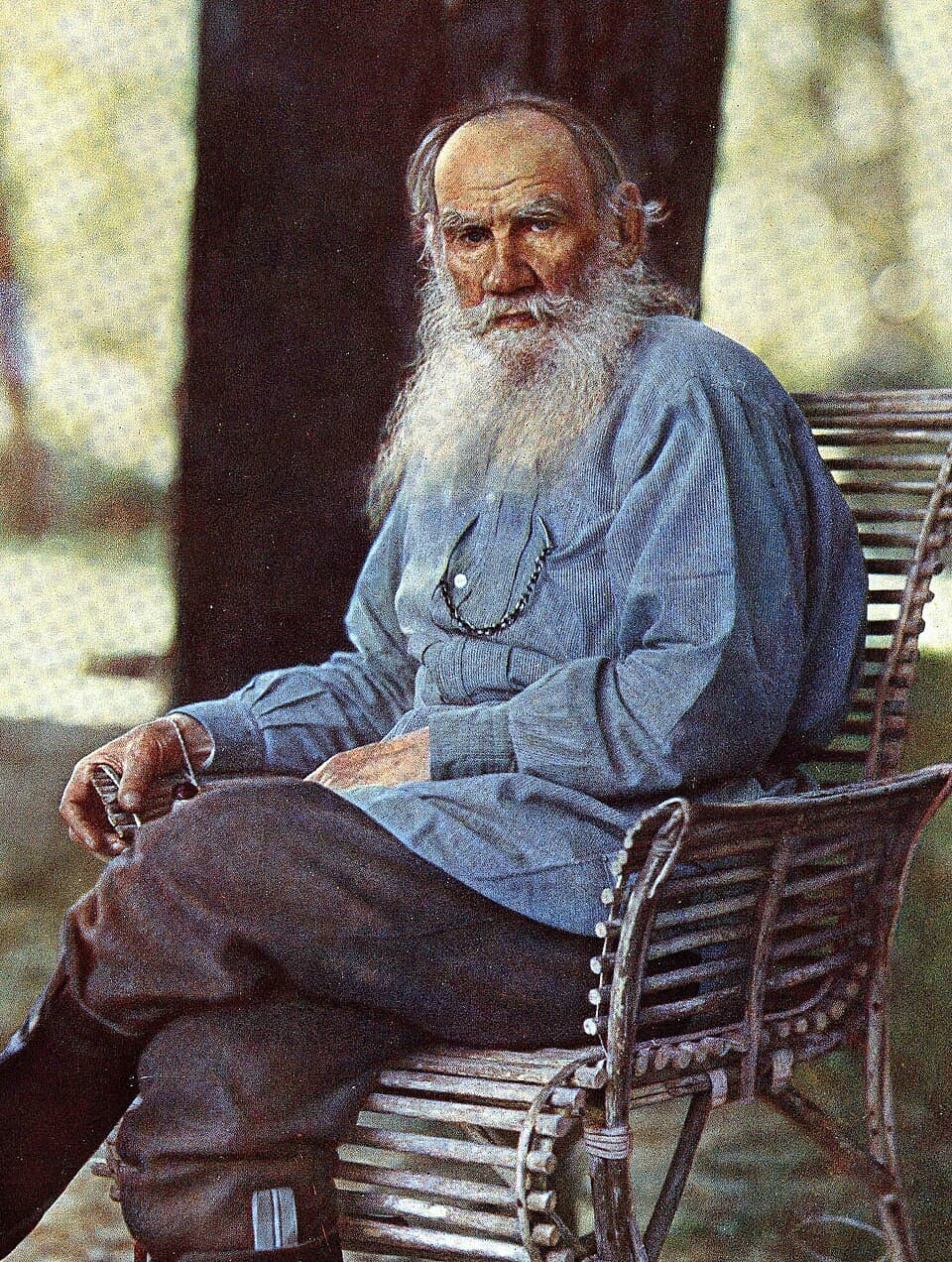
Here's the thing about Tolstoy. We know him for the doorstoppers—War and Peace, Anna Karenina—where he dissects the human heart with a scalpel. (I had a similar experience with Anna Karenina, though that one took considerably longer to finish.) But this? This is Tolstoy the pattern-recognizer. The social psychologist. He looks at the institution of the Church, looks at the actual words of Christ, and asks the question that drives me absolutely bonkers in my own research: Why is there such a massive gap between what people say they believe and how they actually behave?
It's fascinating. It's also incredibly dry. Let's talk about it.
Tolstoy as Cognitive Dissonance Case Study
First off, manage your expectations. I saw reviews complaining that this didn't cover the "Gnostic gospels" or deep mysticism. People, please. Tolstoy isn't interested in your crystals or your hidden knowledge. He is interested in the behavioral hypocrisy of state-sanctioned violence.
From a psychological perspective, it's a brilliant case study in cognitive dissonance. Tolstoy argues that you can't claim to follow a religion of love while supporting a government that drops bombs (or, in his day, swings sabers). He strips away the ritual—which my mother would hate, she loves the ritual—and demands you look at the raw motivation.
It's uncomfortable. It's supposed to be. He's basically gaslighting the entire political structure of the 19th century, and honestly? The points still land. It explains why Gandhi and MLK cited this text as pivotal. There's a similar thread of moral resistance running through Souls of Black Folk, though Du Bois is far more interested in the lived psychological experience of oppression than Tolstoy's abstract principles. It's a blueprint for rewiring your reaction to conflict. Instead of fight or flight, Tolstoy suggests a third option: refusal.
Michael Scott Behind the Mic
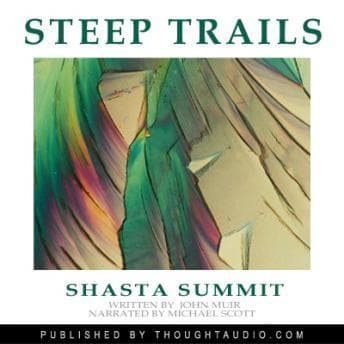
Okay, the narrator is Michael Scott.
(Insert The Office joke here. Get it out of your system. I did.)
This Michael Scott is... well, he's exactly what you'd expect for a philosophical treatise. Clear. Consistent. Straightforward. Also, frankly, a bit like a guest lecturer at BU who knows the material is important but forgot to drink his coffee. Scott brings the same measured, no-nonsense approach to Prince, which actually works better for Machiavelli's cold pragmatism than it does for Tolstoy's moral urgency.
He doesn't try to "act" the text, which I appreciate. There's nothing worse than a narrator injecting high drama into a polemic essay. But—and it's a big but—it can get monotonous. Tolstoy's sentences are long. They loop around themselves like a snake eating its tail. Scott tracks them well, never loses the thread, but he doesn't exactly make the time fly.
If you're listening while running (like I tried to do later), you might zone out. Better suited for "active sitting." Or staring out a window wondering why society is broken.
The "Excerpt" Problem
Here is my main gripe. This is an excerpt. Two hours long.
The full text of The Kingdom of God is Within You is a beast. This audio version feels like reading the abstract of a dissertation without seeing the data tables. You get the core thesis—Christ meant what he said about turning the other cheek, literally—but you miss a lot of the supporting arguments.
It's a "Tolstoy's Greatest Hits" compilation. Great if you want the spark notes version to sound smart at a dinner party (or to annoy your relatives), but it leaves you hanging if you want the full architectural breakdown of his philosophy.
Final Headspace
Look, this isn't for everyone. If you want plot, go away. If you want comforting spiritual affirmations, definitely go away. This is for the people who like to take their brain out, put it on the table, and poke it with a stick. Skip it if you need dynamic narration or want the complete argument—the excerpt format genuinely shortchanges Tolstoy's full case.
It's a solid 2-hour dive into the mind of a genius who was tired of everyone's nonsense. As a psychologist, I respect the commitment to behavioral consistency. As a listener? I needed something with a little more pulse by the end.
(I switched to a true crime podcast immediately after. Balance, right?)