
The Book Every Student Dreads (And Every Adult Should Actually Read)
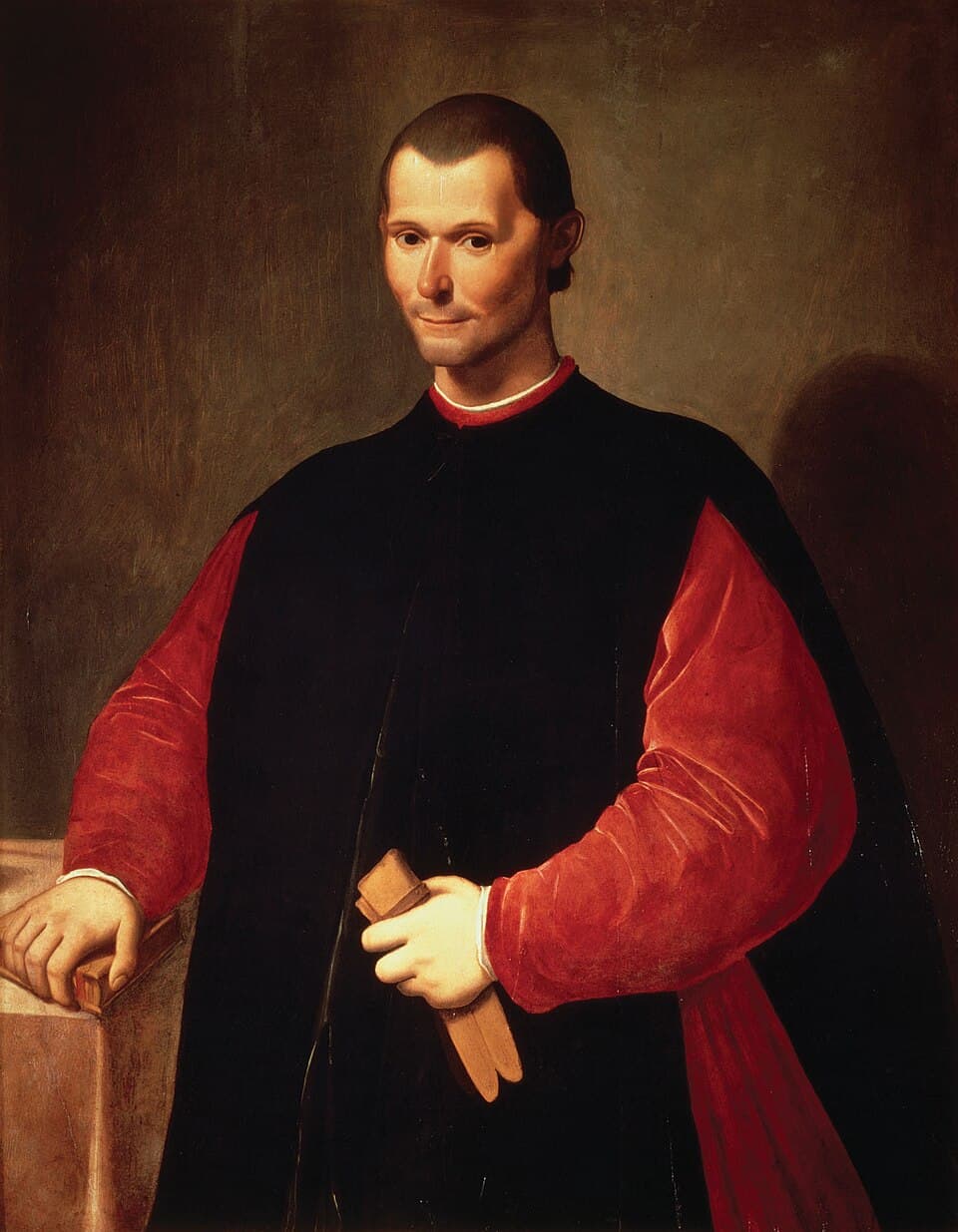
I was grading sophomore essays on Lord of the Flies when I hit play on this. The irony wasn't lost on me—here I am, red pen in hand, marking up teenagers' attempts to understand power and human nature, while Machiavelli whispers in my ear about how to actually wield it. At three hours and change, this is basically the length of one faculty meeting. Except this one actually teaches you something.
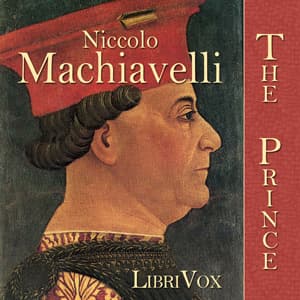
Look, I've assigned excerpts from The Prince to my AP students for years. They groan. They skim. They write papers about how "Machiavelli was a bad person" because they read two chapters and called it a day. But listening to it straight through? Different animal entirely. The text flows in ways it never did when I was squinting at footnotes in grad school. Machiavelli wasn't writing a villain's handbook—he was writing a survival guide. And honestly? In 2024, sitting through budget meetings where everyone's jockeying for department resources, this hits different.
What Machiavelli's Really Saying
Here's what my students miss (and what the audiobook makes unavoidable): this isn't about being evil. It's about being effective. Machiavelli keeps circling back to the same idea—that good intentions mean nothing if you lose your position and can't implement them. "It is better to be feared than loved, if you cannot be both." Everyone quotes that. But they miss the if you cannot be both part. He's not celebrating cruelty. He's acknowledging reality.
The audiobook format forces you to sit with these uncomfortable ideas instead of skimming past them. When Michael Scott reads the passages about Cesare Borgia's ruthless consolidation of power, you can't just flip ahead to the next chapter. You have to hear it. Process it. And—here's the thing—understand why Machiavelli admired a man history remembers as a monster. It's a crash course in separating moral judgment from strategic analysis. (Don't tell my students I said "crash course." They'll never let me live it down.)
The Voice Behind Five Centuries
So about Michael Scott's narration—I couldn't dig up much about his other work, honestly. Though I did track down his reading of Tao Te Ching, which has the same measured, philosophical tone that works so well here. But based on this performance? He makes smart choices. The tone is measured, almost professorial, which works beautifully for a political treatise. He's not trying to make Machiavelli sound exciting. He's letting the ideas do the work.
That said, some listeners have found the delivery a touch dramatic in places. I get it. There are moments where the emphasis feels a bit heavy. But for dense philosophical text like this, I'd rather have a narrator who commits too much than one who drones. The pacing is deliberate—which, again, suits the material. Machiavelli wrote in short, punchy chapters. Scott honors that rhythm.
One thing that surprised me: the audiobook made me appreciate the structure of this book in ways I never had before. Each chapter is basically a standalone essay. Fortune. Military matters. How to handle conquered territories. It's modular. Scott also narrates Alice In Wonderland, which has that same episodic structure—though obviously wildly different subject matter. Which means you can listen to a chapter while making coffee, let it percolate (sorry), and come back the next day without losing the thread.
Who Should Listen (And Who Should Skip)
Here's my honest assessment: if you've never read The Prince, the audiobook is a great entry point. It's short. It's impactful. And hearing it performed removes the barrier that 16th-century prose can create on the page. Skip this if you need scholarly apparatus—there's no introduction explaining Machiavelli's complicated relationship with the Medici family, no footnotes clarifying Renaissance Italian politics. Pair it with a good biography of Machiavelli and you've got yourself a genuine education.
My wife Denise listened to about twenty minutes with me on a lakefront walk. Her verdict: "This explains so much about workplace politics." She's not wrong. Swap "prince" for "department head" and half this book could be a LinkedIn article. (A better one than most, honestly.)
Final Grade
At just over three hours, The Prince is the kind of audiobook you can finish in a weekend and think about for months. It's not comfortable listening—Machiavelli forces you to confront things about power and human nature that we'd rather pretend don't exist. But that discomfort is the point.
Michael Scott's narration is clean and clear. The production is solid if unremarkable. There's no bonus content, no scholarly apparatus—just Machiavelli's words, delivered with appropriate gravity.
Would I recommend it? Absolutely. Especially to anyone who thinks they already "know" what Machiavelli was about. The audiobook has a way of stripping away five centuries of reputation and letting you hear what the man actually said. Sometimes that's more subversive than any modern hot take.
Now if you'll excuse me, I have fourteen more essays on Lord of the Flies to grade. Suddenly "Ralph represents civilization" feels a little reductive.