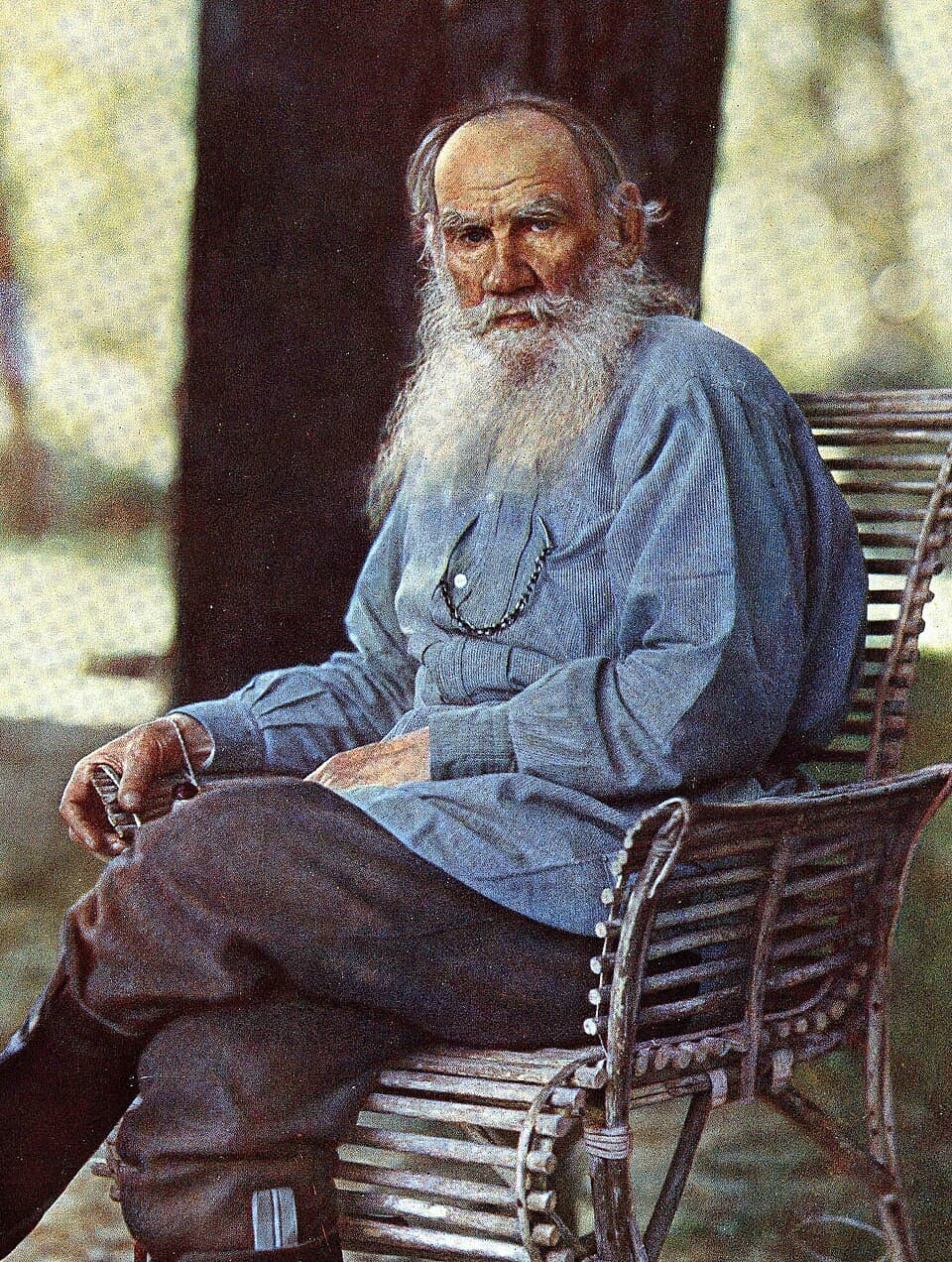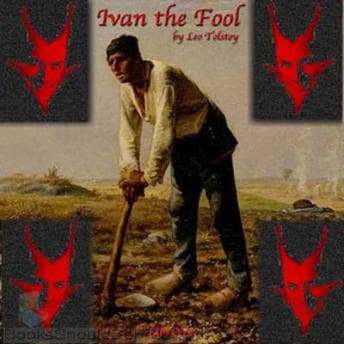

People tend to approach Tolstoy with a certain reverence—hushed tones, careful analysis, the weight of literary canon pressing down on every word. So when I fired up this audiobook expecting something heavy and found myself genuinely laughing at the Devil's increasingly frustrated schemes, I had to double-check I'd downloaded the right file.
Yes, this is the same Tolstoy who wrote War and Peace. And yes, Ivan the Fool is exactly what it sounds like: a fairy tale about a simpleton who defeats evil through sheer, stubborn goodness. At just over an hour, it's practically a palate cleanser compared to his doorstop novels, but don't mistake brevity for lack of substance.
The setup is classic folklore: an old man has three sons. The eldest is a soldier, the middle one a merchant, and the youngest—Ivan—is a fool who does nothing but farm and work with his hands. The Devil sends three imps to ruin them, and what follows is a delightfully absurd series of failures as supernatural evil repeatedly underestimates the power of honest labor and simple contentment.
The LibriVox Narrator Roulette
This LibriVox production uses various readers, which is always a gamble. Here, it works better than you'd expect. The transitions between narrators are clean, and most bring a straightforward, respectful delivery that suits the fairy tale format. Russian names get proper pronunciation—a small detail that matters when you're dealing with Tolstoy. Some readers inject more personality than others, giving the Devil's schemes a comic edge while keeping Ivan's earnest simplicity intact.
The variation in voices actually mirrors the story's episodic structure. Each imp's attempt to corrupt a different brother feels like its own little chapter, and the shifting narrators reinforce this segmentation rather than disrupting it. I listened during a morning commute and found the changes kept me more alert than a single voice might have.
Tolstoy's Sneaky Philosophy Lesson
Written after his famous spiritual crisis, Ivan the Fool is Tolstoy working through his rejection of materialism and violence in the most accessible format possible. The soldier brother's military conquests lead nowhere. The merchant brother's wealth brings only anxiety. But Ivan, who keeps farming no matter what chaos erupts around him, ends up ruling a kingdom where everyone works with their hands and money doesn't exist.
It's propaganda, essentially—but propaganda for pacifism and simple living, wrapped in a story structure borrowed from Russian folk tradition. The Devil literally cannot function in Ivan's kingdom because there's no greed or ambition to exploit. It's didactic in the way all fairy tales are didactic, teaching children (and reminding adults) that cleverness and power aren't the same as wisdom.
The Devil Steps on Rakes (Repeatedly)
What surprised me most was how genuinely funny this is. The imps are incompetent in the best possible way. They try to exhaust Ivan through endless labor, but he just keeps working, cheerful and oblivious. They create magical soldiers for his brother, but the soldiers have nothing to fight. The Devil himself eventually shows up, and even he can't make headway against someone who simply doesn't want anything.
One listener quote captures it perfectly: the ways the Devil's plans get disrupted are hilarious. Tolstoy understood that the best moral instruction doesn't feel like instruction at all—it feels like watching a cartoon villain step on rakes.
Perfect For Busy Parents, Tolstoy-Curious Adults
This is ideal for parents looking for something to share with kids that isn't vapid but also won't traumatize them. The themes are heavy—war is pointless, money corrupts, honest work has inherent dignity—but the delivery is light enough for young listeners. Les Miserables tackles similar questions about justice and redemption, though with considerably more runtime and emotional devastation. Adults interested in Tolstoy but intimidated by his major works will find this a perfect entry point, a glimpse of his philosophy without the 1,200-page commitment.
If you need constant plot twists and moral ambiguity, skip this one. Ivan the Fool knows exactly what it believes and says so clearly. Some listeners will find this preachy; others will find it refreshing. The audiobook format actually softens the didacticism—hearing these lessons spoken aloud in fairy tale cadence makes them feel less like lectures and more like the kind of wisdom your grandmother might share while cooking dinner. I got that same comforting-yet-instructive feeling from Pride and Prejudice, where Austen's social commentary goes down easier in audio than it ever did on the page.
One Hour, Zero Excuses
At just over an hour, there's almost no reason not to try this. The production is clean, the narration respectful, and the story itself is a small gem of satirical folklore. Tolstoy wrote it for children, but the critique of militarism and capitalism hits differently when you're an adult who's lived through a few economic cycles and watched a few wars unfold on the news.
Ivan wins not through cleverness but through contentment. In a culture obsessed with optimization and acquisition, that's either naive or radical, depending on your perspective. Either way, it's worth an hour of your time to find out which you think it is.