
The "Rage" is Right
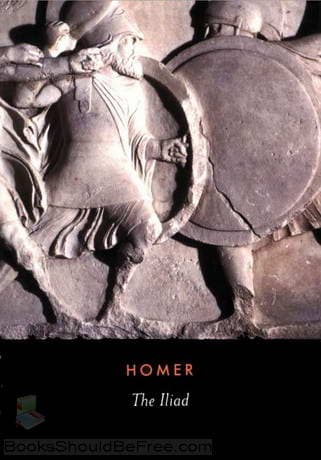
I was walking along Lake Michigan yesterday—wind whipping my face, freezing my ears off—while grading a stack of essays on The Great Gatsby in my head. (Why do teenagers always think Nick Carraway is the hero? He's an enabler. Anyway.) I needed something louder than my own thoughts. Something angry. So I fired up The Iliad.
Specifically, the version narrated by Dan Stevens. Yes, the guy from Downton Abbey.
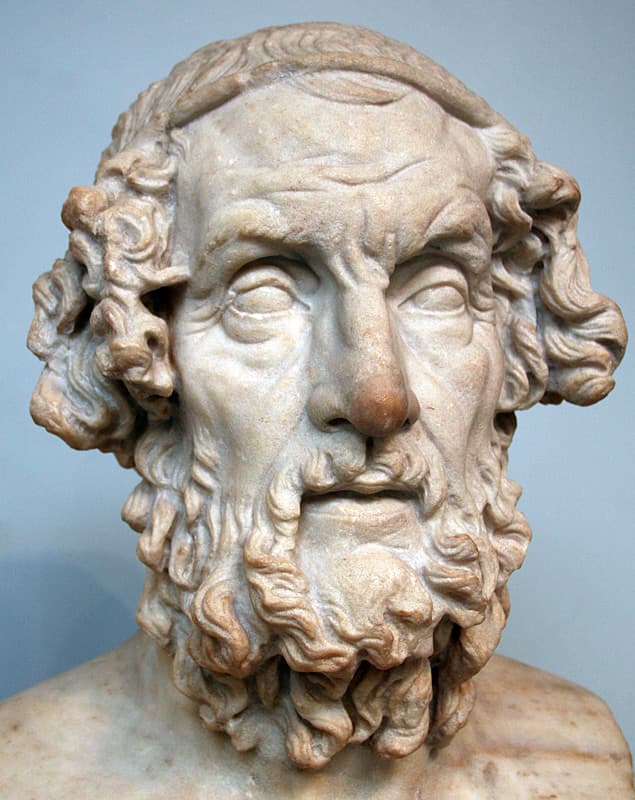
Look, I tell my students this every year: Homer wasn't writing a book to be studied in a quiet library. He was a performer. These are lyrics. This is a rap battle with spears. If you're reading The Iliad in silence, you're doing it wrong. You need to hear the bones crunch. You need to hear the spit flying when Agamemnon and Achilles get into their screaming match over—let's be real—their egos.
The "Which Version?" Problem
Here's the thing about The Iliad on audio—there are a million versions. It's overwhelming. You've got the old-school distinct British voices, the full-cast dramas, the ones that sound like a lecture.
I've listened to a few over the years. (My wife Denise says I have a problem; she's not wrong.) I tried the Anthony Heald one once—great actor, played Hannibal Lecter's jailer—but honestly? It dragged. Felt like homework. I had a similar experience with Hard Times—great story, but the narration just didn't click for me.
But this Dan Stevens performance of the Robert Fitzgerald translation? It's different. It's alive.
Why Stevens Nails It
Stevens understands that pause is punctuation. He doesn't just read the lines; he acts the hell out of them. When Achilles is sulking in his tent (which he does for, like, 80% of the book), Stevens gives him this petulant, dangerous edge. He sounds young. Which is important! We forget these guys are basically college-aged jocks with god-complexes and deadly weapons.
There's a rhythm to the Fitzgerald translation that Stevens leans into. It's fast. The battle scenes—and wow, are there a lot of them—feel chaotic and bloody. He doesn't shy away from the gore. When a spear goes through someone's teeth, you feel it.
(Side note: If you want something more lyrical, the Audra McDonald narration of the Emily Wilson translation is also spectacular—she treats it more like the poetry it is. But for pure narrative drive? I'm sticking with Stevens.)
The "Catalog of Ships" Warning
Okay, let's be real for a second. There is a section in Book 2 called the "Catalog of Ships." It is literally just a list of names and places. Hundreds of them.
It is boring.
I don't care who narrates it—Alfred Molina, Dan Stevens, or the ghost of Orson Welles—you are going to zone out. I zoned out. I was thinking about whether I left the stove on. I was thinking about why the Bears can't find a quarterback. It happens. Don't let it stop you. Push through the list. The good stuff—the gods interfering like messy reality TV stars, the tragic bromance of Achilles and Patroclus—is waiting on the other side.
Why We Still Listen to This
My students ask me why we still read this "ancient war stuff."
I tell them: because people haven't changed. We still have incompetent bosses (looking at you, Agamemnon). We still have pride that destroys us. We still have grief that makes us do insane things. Their Eyes Were Watching God explores that same devastating intersection of pride and grief, just in a completely different setting.
Listening to this, especially during the scene where Priam begs for his son's body... man. It hits different when you hear the voice crack. It's not just a story about war; it's a story about what war does to people.
The prose deserves to be savored, sure. But the performance deserves to be felt. If you've been scared of the classics, or if you tried reading this in college and fell asleep, put this in your ears. Skip it if you need constant plot momentum—those battle catalogs will test you. But if you want ancient poetry that sounds like it was meant to be heard? This is the one. It's violent, it's beautiful, and it's way better than grading papers.