
Look, I've been teaching Les Misérables excerpts to teenagers for two decades. I've watched their eyes glaze over during the Bishop's candlesticks scene approximately 400 times. I've explained Jean Valjean's moral transformation so often I could do it in my sleep. (Denise says I actually have. Twice.)
So when I tell you this BBC Radio 4 production made me fall in love with Hugo all over again - like genuinely moved, walking along the lakefront with misty eyes like some kind of literary fool - that means something.
This is Volume 1 of 5, which already tells you what you're getting into. Thirteen hours and forty-nine minutes, and you're only a fifth of the way through. My students would absolutely riot. I love it.
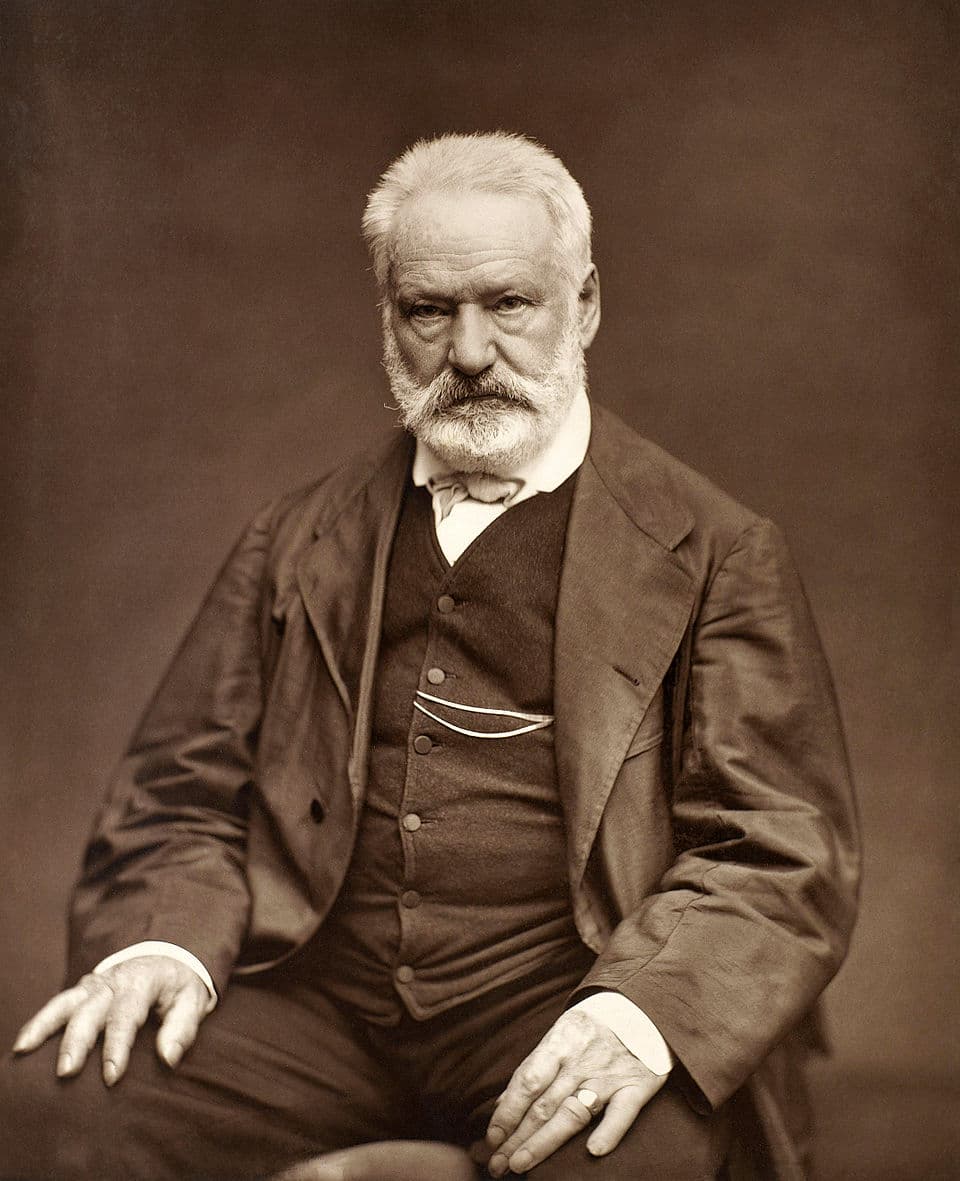
Here's the thing about full cast productions: they can go wrong in so many ways. Too theatrical, too busy, voices clashing instead of complementing. American Gods: The Tenth Anniversary Edition nails that same balance—full cast energy without the chaos. But this? This is what happens when the BBC throws actual talent at a classic and says "make it breathe." Joss Ackland serves as Hugo's voice - the narrator tying everything together - and he brings this warmth, this wisdom that feels like sitting with your favorite professor. The one who actually read the books, not just the SparkNotes. (Don't tell my students I know about SparkNotes. They think I'm oblivious.)
The cast differentiates characters so cleanly that you never get lost. And with Hugo, getting lost is a real risk. The man wrote a 65-page digression about the Battle of Waterloo. He'll spend chapters on the Paris sewer system. A lesser production would have you zoning out during these stretches, but the acting keeps pulling you back. The emotional delivery during Fantine's descent - ugh. I had to pause during a faculty meeting. Principal Martinez was discussing something about budget allocations. Worth it.
Now, some listeners have mentioned the British accents in a French setting. And yes, okay, technically Jean Valjean shouldn't sound like he's from Surrey. But honestly? I stopped noticing after twenty minutes. The performances are so committed, so emotionally true, that the accent question just... dissolves. This reminds me of what Hemingway said about good writing being true - good performance works the same way. If it feels true, the details stop mattering.
What Hugo is really saying in Les Misérables - and what this production captures so well - is that redemption is possible but never easy. That society creates its own monsters through poverty and injustice, then punishes people for becoming monstrous. The prose deserves to be savored, and at 1.0x speed (yes, I'm ancient, we've established this), you get every philosophical aside, every poetic flourish. Hugo didn't write these words to be rushed through.
The production quality is pristine. Clean audio, professional sound design, no weird background hiss or volume inconsistencies. It won an AudioFile Earphones Award, which tracks. This is prestige audiobook production.
Who Should Listen (And Who Should Skip)
If you loved The Count of Monte Cristo or A Tale of Two Cities, this is their spiritual successor - the epic 19th-century novel as moral argument. I got similar vibes from Lincoln Highway—different era, but that same sweeping scope and moral weight. If you've only experienced Les Mis through the musical, prepare yourself. The book is slower, deeper, and far more interested in the why of human suffering than the what.
But if you're impatient - if you listen at 2x speed and get annoyed when authors take their time - this isn't for you. Hugo is not a plot-forward writer. He's a philosopher who occasionally remembers he's telling a story. Volume 1 covers Jean Valjean's release from prison, his transformation under the Bishop's mercy, and his rise as Monsieur Madeleine. It's setup. Beautiful, essential setup, but setup nonetheless. The barricades and the revolution everyone remembers from the musical? That's later volumes.
Also, content warning: this book deals with poverty, violence, and social injustice in ways that aren't sanitized. Fantine's story in particular is devastating. Hugo wanted readers to be uncomfortable. He succeeded.
My mom asked if she should listen to this for my podcast episode on Hugo. I told her yes, but maybe not before bed. She'd never make it past the Bishop's dinner scene. (Love you, Mom.)
This is why we still read the classics. Because 160 years later, Hugo's questions about justice and mercy and what we owe each other still don't have easy answers. And when a production this good makes those questions come alive in your ears while you're walking the lakefront at sunset, pretending you're not crying a little?
That's the good stuff. That's what audiobooks can do.