
A Walk Along the Lakefront with Eastman
I was grading essays on The Great Gatsby - the usual parade of "Nick is an unreliable narrator" papers - when I decided I needed something to cleanse my palate. Something that would remind me why I fell in love with storytelling in the first place. At just over two hours, this felt like the perfect companion for my Saturday morning lakefront walk with Denise. She had her own podcast in her ears (true crime, because apparently we balance each other out), and I had Charles Eastman.
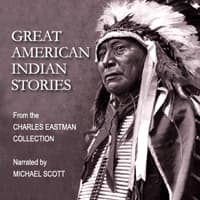
Let me back up. Ohiyesa - that's Eastman's Sioux name - was a physician and writer who lived between two worlds. Born into the Santee Dakota nation, educated at Dartmouth and Boston University, he spent his life trying to bridge what he called the "two roads." And these stories? They're not what you'd expect from something titled "Great American Indian Stories." This isn't romanticized noble savage stuff. It's not the Hollywood version. It's something much more interesting.
What Eastman Gets Right
The prose deserves to be savored. Eastman writes with this quiet authority that comes from actually living these experiences - or at least living close enough to the people who did. "The Famine" hit me hardest. There's a passage about hunger that I had to stop walking for. Just stood there by the lake while joggers passed me, listening to descriptions of scarcity that felt almost too intimate to hear. Eastman doesn't dramatize suffering. He just... presents it. Matter of fact. Which somehow makes it worse.
And "The Chief Soldier" - this is why we still read the classics, folks. The story wrestles with honor and duty in ways that would make my students uncomfortable. (My students would hate this. I love it.) There's no easy moral. No clear villain. Just people making impossible choices with incomplete information. Sound familiar? Hemingway said the dignity of movement of an iceberg is due to only one-eighth of it being above water. Eastman shows you the eighth. You feel the rest.
The Voice Behind the Story
Michael Scott - and no, not that Michael Scott, though I did have to explain this to a student once - brings something essential to this material. His voice is deep, measured, almost reverent without being precious about it. He understands that pause is punctuation. He lets Eastman's sentences breathe.
I couldn't find much about Scott's background online, but based on this performance, he clearly understands the weight of what he's reading. There's a moment in "The Singing Spirit" where the tone shifts from descriptive to something approaching sacred, and Scott navigates that transition without making it feel like a gear change. It just... happens. Like he's not performing the story so much as channeling it.
The production is clean - no weird audio artifacts or volume jumps. Worth mentioning because I've listened to some public domain recordings that sound like they were recorded in a bathroom. This isn't that.
Fair Warning
This is not a fast listen. At 1.0x (because the author chose those words), you're getting deliberate, almost meditative pacing. If you're looking for something to power through during a HIIT workout, this ain't it. These stories demand attention. They reward it, but they demand it first.
Also - and I say this as someone who teaches American literature - the content includes historical trauma. Forced assimilation. The collision of cultures that we still haven't fully reckoned with. Eastman writes about it with remarkable restraint, but it's there. "The White Man's Errand" doesn't pull punches about what "civilization" meant for his people.
The two-hour runtime is actually perfect, though. Each story is self-contained enough that you could listen to one per commute, let it settle, come back for the next. That's how I'd recommend it, honestly. Don't binge this. Let it marinate.
Who Should Listen (And Who Should Skip)
If you loved Bury My Heart at Wounded Knee or Black Elk Speaks, this is their spiritual successor - or predecessor, really, since Eastman was writing in the early 1900s. Heart of Darkness wrestles with similar questions about colonialism and cultural collision, though from the other side of the world. Anyone interested in American history from perspectives we didn't get in school. Teachers looking for primary sources that actually engage students. (I'm already planning to use excerpts in my American Lit unit.)
Skip if you need constant action or if historical accounts of cultural displacement aren't something you're in the headspace for right now. No judgment - we all have seasons for different books.
The Verdict
I finished the last story just as Denise and I were heading back to the car. She asked what I'd been listening to, and I tried to explain - which is always the test of whether something's worth recommending. If you can't articulate why it matters, maybe it doesn't. But I could. I talked about Eastman the whole drive home.
Worth pausing the faculty meeting for. Definitely worth pausing the Gatsby papers for. At two hours, it's a small investment for stories that will stick with you much longer than that. The prose is beautiful, the narrator honors it, and the perspective is one we desperately need more of in the American literary canon.
My 47 podcast listeners are getting an episode about this. Mom, try to stay awake for this one.