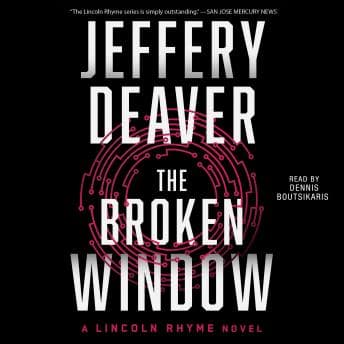

I was three hours into this one, sitting in my car in the hospital parking garage at 6:47 AM, engine running, too wired to go inside and too hooked to turn it off. My shift didn't start for another hour - I'd gotten there early specifically because I knew the last chapter I'd left off on was about to crack open. That's Jeffery Deaver for you. The man writes setups that make you rearrange your schedule.
The Data Trail That Made Me Lock My Phone
So here's the premise that got under my skin: a killer who doesn't need to touch you to destroy your life. "522" - and the fact that he's only known by a number is already unsettling - uses stolen personal data to frame innocent people for murders he commits. He builds alibis out of credit card receipts, browser histories, loyalty card purchases. He becomes you on paper, then leaves you holding the bag for a homicide. Deaver wrote this in 2008 and honestly? It hits harder now. I caught myself checking my banking app during a break like some kind of paranoid reflex. Red Room did something similar to me - that same creeping dread of realizing how exposed you already are before anything bad has even happened.
Lincoln Rhyme getting pulled into this because his estranged cousin Arthur gets framed - that's a smart move. It takes this cerebral, controlled forensic genius and makes it personal in a way that his usual cases don't. Rhyme can't just analyze evidence objectively when it's family. And Deaver doesn't let that tension go slack. Every time Rhyme and Sachs peel back a layer of 522's operation, the guy is already three steps ahead, planting new evidence, new victims, new diversions.
The technical detail is heavy. I won't sugarcoat that. There are stretches where Deaver explains data mining and information brokering with the enthusiasm of someone who just discovered a really fascinating Wikipedia rabbit hole. Some listeners reportedly find it overwhelming - and I get it. But honestly? I work in a field where people gloss over the boring-but-critical stuff all the time. I appreciated that Deaver did the homework. The way Strategic Systems Datacorp operates, the casual horror of how much of your life is already catalogued and sellable - it felt real. Uncomfortably real.
Where it does drag: the flashbacks. There are moments where the pacing loses its rhythm because we're backtracking through character histories that could've been woven in more tightly. At 14 hours, you feel the length in those sections. I bumped my playback to 1.25x during a couple of those stretches and it helped without losing anything.
Boutsikaris Gets Inside the Killer's Head and It's Unsettling
Dennis Boutsikaris. This man does not get enough credit. His narration is clean and controlled for the procedural sections - exactly what you want when Rhyme is analyzing fiber samples or directing Sachs through a crime scene. But when he shifts into 522's point of view? Something changes. His voice gets this flat, almost clinical quality that's way more chilling than if he'd gone full theatrical villain. It's the calm of someone who genuinely doesn't see other people as people. Just data points. Just problems to solve.
He differentiates characters well enough that I never lost track of who was talking, which is not nothing in a Deaver novel - the man populates his books like he's casting a movie. Sachs gets a steady, determined energy. Rhyme's sharp intelligence comes through without Boutsikaris making him sound like a caricature of a genius. The cousin Arthur feels genuinely frightened. It's subtle work. Not showy. Just right.
As someone who's actually worked a code, I notice when performers handle high-stress scenes believably versus when they're just... performing. Boutsikaris sounds like he understands that real danger doesn't always come with dramatic music. Sometimes it's quiet. Sometimes it's a name on a screen that shouldn't be there.
The Medical Details Are - Well, There Aren't Many, But the Forensics Are Solid
Look, this isn't a medical thriller. I didn't get to yell at my dashboard about defibrillator protocols. But the forensic methodology - the chain of evidence, the way Rhyme processes a scene from his wheelchair, directing others to be his hands and eyes - it's convincing. Deaver respects procedure. He doesn't have cops contaminating scenes for plot convenience or magically getting DNA results in twenty minutes. That matters to me.
The identity theft angle is where the real horror lives though. 522 doesn't just steal credit cards. He steals entire lives. Builds profiles, creates patterns, manufactures digital footprints that are more convincing than the real person's actual behavior. I kept thinking about how much data my hospital badge alone generates about my movements every shift. Carlos asked why I was being weird about using my debit card at the gas station. I blamed the book. He said that tracks.
Night Shift Approved - With One Caveat
Perfect for that post-shift decompression if you've got a long commute and you want something that keeps your brain engaged without requiring emotional devastation. It's intellectual suspense, not gut-punch trauma. The length makes it ideal for a week of drives. Just know that those technical deep-dives are part of the package - if you want a thriller that sprints, this one jogs with purpose and occasionally breaks into a dead run when 522 makes his moves.
Skip this if you need constant action or if detailed explanations of data aggregation make your eyes glaze over. But if you're the kind of person who watches true crime docs and thinks about systemic vulnerabilities instead of just the gore? This is your book.
I'm going back to listen to Boutsikaris do the killer's POV sections again. For research. Definitely just for research.