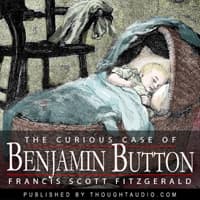

A Little Fitzgerald for the Lakefront
I finished this one on a Tuesday morning walk along Lake Michigan, right around the point where the joggers thin out and it's just me, the geese, and Fitzgerald's strange little meditation on time. The whole thing clocks in at just over an hour, which is basically nothing - I've sat through faculty meetings longer than this. (Principal Martinez, I'm still sorry about the budget presentation. Sort of.)
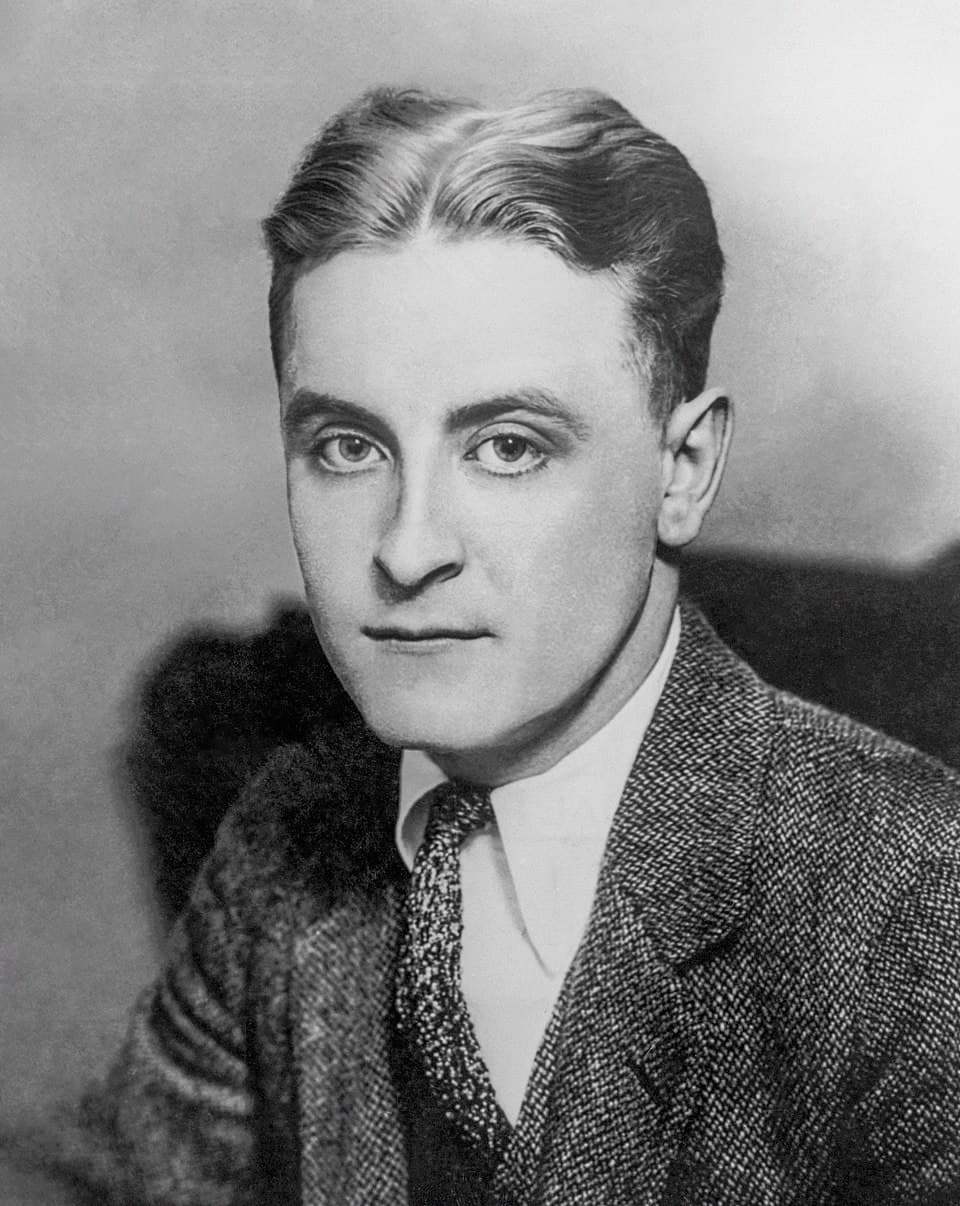
Here's the thing about "Benjamin Button" that people forget: it's not really the story you think you know. If you're coming to this expecting Brad Pitt's mournful eyes and that sweeping romantic tragedy, you're going to be confused. Fitzgerald wrote this in 1922 as something closer to satire - lighter, weirder, almost absurdist in places. A man born as a seventy-year-old in a hospital where the staff is more concerned about propriety than biology. His father trying to buy him a rattle at a toy store while Benjamin asks for a cane. It's funny. Genuinely funny. And that tonal whiplash from what most people expect? That's actually part of what makes it interesting.
Fitzgerald is doing something here that my students would probably call "meta" if they bothered to read it. He's using this impossible premise to poke at how we treat age, how we expect people to behave based on their years rather than who they actually are. Benjamin's tragedy isn't really the aging backward part - it's that society keeps insisting he act his biological age even when it makes no sense. There's a scene where he's finally young and vital, married to a woman who's now aging normally, and she's embarrassed by him. Fitzgerald packs so much quiet devastation into such economical sentences there.
The Narration Problem
Okay, so. I need to be honest here, and this is where things get complicated.
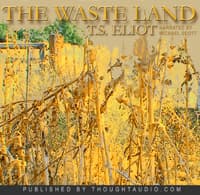
Michael Scott narrates this edition, and I couldn't find much about him online - not the same Michael Scott from that other thing, obviously. Based purely on what I heard, the performance is... fine? Competent? But "fine" and "competent" aren't really what Fitzgerald deserves. The narrator understands that pause is punctuation, and there are moments where the pacing works. But Fitzgerald's Jazz Age stuff needs a certain lightness, a kind of wry sophistication that suggests the narrator is in on the joke. This reading feels a bit too earnest, too straight-faced for material that's essentially a dark comedy dressed up as a fable.
I've seen other listeners say the narration "took a lot away from the story," and I wouldn't go quite that far. It didn't ruin anything for me. But it also didn't elevate it. A great narrator doesn't just read - they interpret. And this interpretation feels like someone reading Fitzgerald without quite catching his smirk. Scott does better work with Prince, where that same earnestness actually suits the material. The words are all there. The music isn't.
For a sixty-seven minute commitment, this isn't a dealbreaker. But if you're a Fitzgerald devotee - if you've listened to really good readings of Gatsby or "Winter Dreams" - you might find yourself wishing for more.
Why It Still Works
Here's why I'm still recommending this, narration caveats and all: the story itself is a gem that most people have never actually experienced in its original form. My students would hate this. I love it. It's short enough that you can listen in one sitting, which means Fitzgerald's careful structure actually lands the way he intended. The arc from old man to infant, from wisdom to innocence, from being taken too seriously to not being taken seriously at all - it builds to something genuinely moving if you let it.
This reminds me of what Hemingway said about Fitzgerald - that he could write a sentence that would make you stop and reread it just for the pleasure of the words. That sentence-level craftsmanship is all over Selected Short Stories by F. Scott Fitzgerald too, which shows off his full range. Even in a minor work like this, even filtered through an adequate-but-not-stellar narration, those sentences are there. "He was a man of forty, and he was a boy of fourteen, and he was a baby of six months, and he was nothing at all." (I'm paraphrasing from memory, but you get the idea.)
The story asks a question that's worth sitting with: what would we lose if we lived backward? And the answer Fitzgerald gives isn't the obvious one. It's not about death. It's about forgetting. About losing the people who loved you not because they die, but because you can no longer remember them.
Pretty heavy for something written as a lark for a magazine in 1922.
The Verdict
If you loved Gatsby, this is its weird little cousin - not a spiritual successor exactly, but a glimpse at Fitzgerald in a different mode. Worth an hour of your time, especially if you're curious about the source material that Hollywood turned into something completely different. Just don't expect the narration to knock your socks off.
Who should listen: Fitzgerald fans curious about his satirical side, anyone who wants the real story behind the movie, or listeners with a short commute looking for something literary. Who should skip: If you need a narrator who can match Fitzgerald's wit beat for beat, hunt for a different edition.
I listened at 1.0x because the author chose those words, and even when the narrator doesn't quite capture the tone, the words themselves still shine through. Put this on during a short walk, a quiet commute, or while pretending to organize your desk. It's the kind of story that rewards attention but doesn't demand it constantly.
Worth pausing the faculty meeting for? Honestly, yes. But then again, most things are.