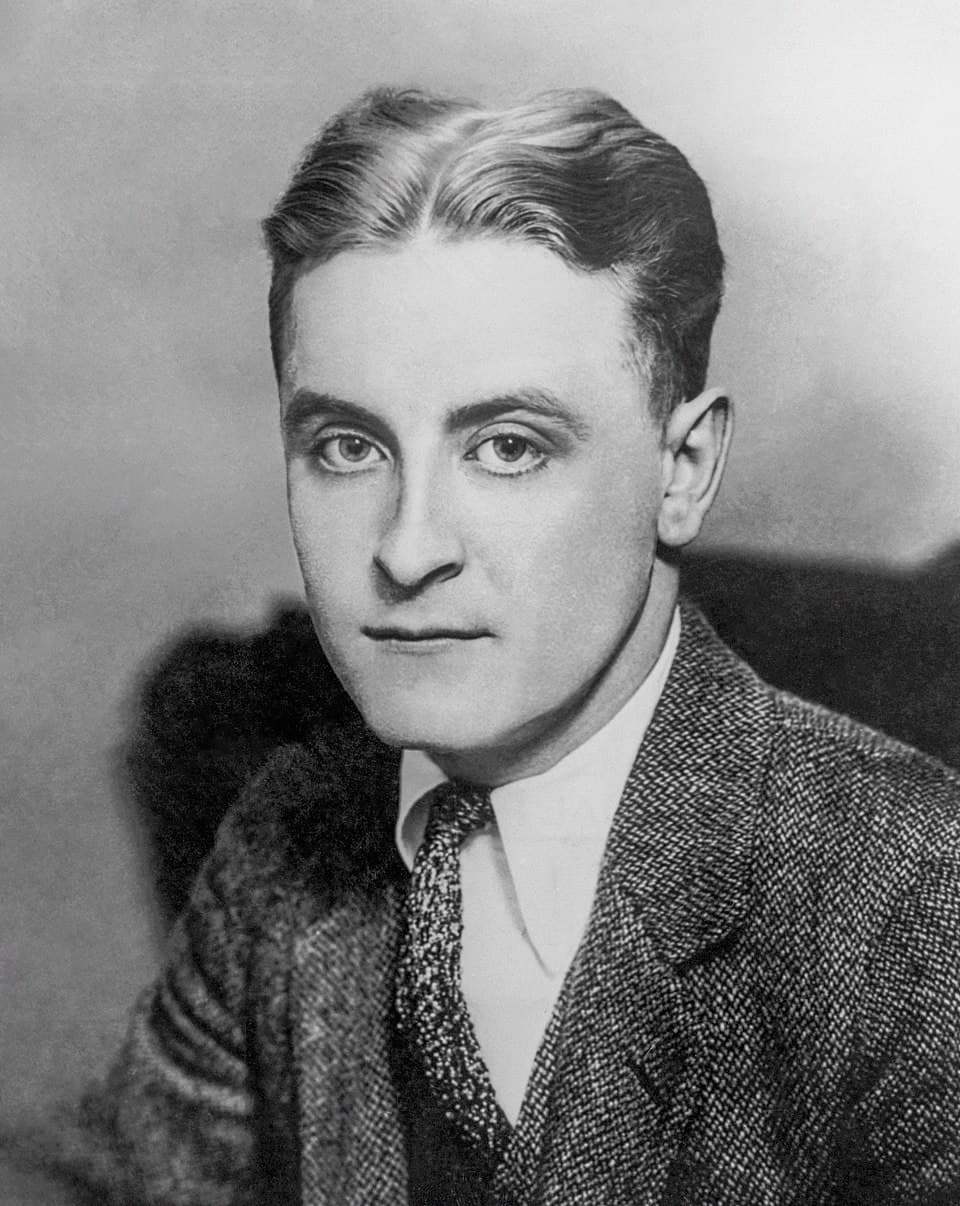

Look, I've been teaching Fitzgerald to teenagers for almost two decades now, and every year I watch their eyes glaze over when I mention The Great Gatsby. "It's about rich people being sad," they say. And honestly? They're not entirely wrong. But here's the thing - Fitzgerald's short stories are where he really let loose, and this little LibriVox collection reminded me why I fell in love with his work in the first place.
I stumbled onto this audiobook while grading a stack of essays about symbolism (the green light, always the green light), and I needed something to keep me sane. Four and a half hours later, I'd finished the papers AND remembered that Fitzgerald could be genuinely funny. Not just witty-in-a-1920s-way funny, but actually laugh-out-loud absurd.
The Camel in the Room
"The Camel's Back" is peak Fitzgerald chaos. A man crashes a party in a camel costume. That's it. That's the story. And somehow it works? Laurie Anne Walden reads it with exactly the right amount of deadpan energy - she gets that the humor comes from everyone treating this ridiculous situation with complete seriousness. My students would probably love this one, actually. (Don't tell them I said that. They'll think I've gone soft.)
But then you get "The Lees of Happiness," and suddenly you're staring at the ceiling at midnight wondering about mortality and the quiet tragedy of watching someone you love disappear slowly. Fitzgerald does this thing where he lulls you into thinking you're reading light entertainment, and then - gut punch. Walden handles these tonal shifts without making them feel jarring. She understands that pause is punctuation, that the silence between sentences carries weight.
Benjamin Button Before Brad Pitt
Okay, so "The Curious Case of Benjamin Button" - most people only know the movie. The short story is different. Weirder. More Fitzgerald. It's less romantic epic and more satirical commentary on how we treat age and youth in this country. The man is born old and dies young, and everyone around him just... deals with it. Badly.
Walden's narration here is clean and expressive without being theatrical. She's not trying to do voices for every character - this is a LibriVox recording, after all, not a full production - but she captures the absurdist tragedy of Benjamin's situation. The prose deserves to be savored, and at 1.0x speed (yes, I'm that person), you can really hear Fitzgerald's rhythm. The man wrote sentences like jazz - syncopated, unexpected, swinging.
Bernice and Her Hair
"Bernice Bobs Her Hair" is basically a 1920s Mean Girls, and I mean that as the highest compliment. Walden nails the social dynamics here - the cattiness, the desperation to fit in, the way women were pitted against each other for male attention. It's uncomfortable and timeless and my wife Denise actually stopped walking to listen during the climax. (We were on the lakefront. I had to pause the audiobook. Worth it.)
This is why we still read the classics, by the way. Fitzgerald was writing about social media dynamics a hundred years before Instagram. Their Eyes Were Watching God does something similar—it captures that same timeless pressure on women to navigate social hierarchies and male expectations, just with different stakes and a different era. The pressure to perform, to be seen, to matter - it's all here, just with bobbed hair instead of filtered selfies.
The LibriVox Factor
Let's be real for a second - LibriVox recordings are volunteer efforts, and quality can vary wildly. This one's solid. The audio is clean, Walden is consistent, and there's none of that weird background hum you sometimes get. Is it a professional studio production? No. But it's free, it's public domain Fitzgerald, and the narration actually enhances the material rather than just delivering it.
I couldn't find much about Walden's other work online, but based on this collection, she understands something crucial: these stories aren't museum pieces. They're alive. They're meant to entertain and devastate and make you think. She reads them like she actually enjoys them, which - you'd be surprised how rare that is. That same quality—a narrator who genuinely inhabits the material—is what makes Book of Dragons so compelling, even when the subject matter couldn't be more different from Fitzgerald's Jazz Age world.
Who Should Listen (And Who Should Skip)
If you loved Gatsby and want more Fitzgerald without the commitment of another novel, this is your entry point. If you're a teacher looking for shorter pieces to assign (hint hint, fellow educators), "Bernice Bobs Her Hair" is basically perfect. If you just want to understand what the Jazz Age actually felt like beyond the party scenes, these stories deliver.
Skip it if you need fast-paced modern storytelling. Fitzgerald takes his time. He builds atmosphere like a bartender building a cocktail - layer by layer, until suddenly you're three drinks in and wondering how you got here.
Four and a half hours well spent. Now if you'll excuse me, I have more essays to grade. The green light awaits.