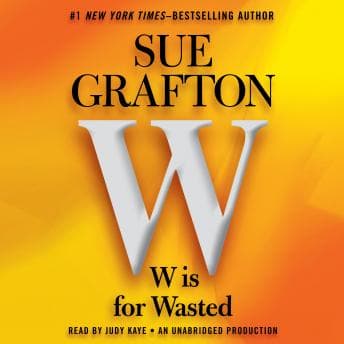

Let me cut to the chase: seventeen hours is a serious commitment, and Sue Grafton's "W is for Wasted" earns most of it. Not all of it. But most.
I've been listening to the Kinsey Millhone series during long drives to client sites across Texas, and there's something about a female PI working cases in the '80s that hits different than the usual testosterone-fueled thrillers I gravitate toward. Kinsey's methodical. She does her homework. She doesn't carry a hand cannon or kick down doors—she follows paper trails and talks to people. That's closer to actual investigation work than most fiction gets.
The Gumshoe Voice That Works
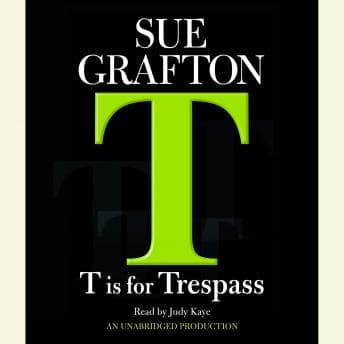
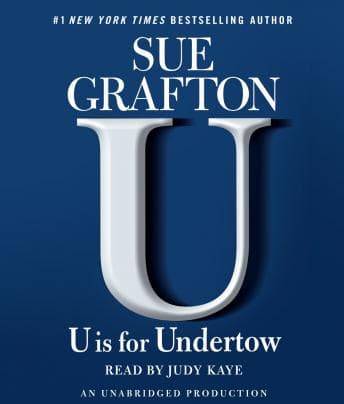
Judy Kaye's narration is old school, and I mean that as a compliment. She's got this low, steady delivery that sounds like Kinsey's been around the block a few times and isn't impressed by much. Some folks might find it dated—the male characters come out sounding like they stepped out of a 1940s noir film—but honestly? I liked it. There's a wise-cracking quality to Kaye's performance that fits the character perfectly.
Ranger and I were on a six-hour round trip to Houston when I really settled into this one. Kaye's pacing is measured, almost contemplative, which worked well for the highway. She doesn't rush the dialogue, gives you time to catch the details. The character voices are distinct enough that I never lost track of who was talking, even when my attention drifted to some idiot cutting across three lanes without a signal.
Where the Plot Wanders (And Where It Doesn't)
Here's where it lost me sometimes: Grafton takes her sweet time. The setup involves two bodies—a murdered PI and a homeless John Doe—and Kinsey's connection to both. Good premise. Solid mystery bones. But the execution meanders through what some listeners call "Kinsey moments"—these slice-of-life detours where she's eating at her favorite diner or dealing with her landlord's drama.
I get it. Character development. Making Kinsey feel real. But when you're seventeen hours deep and there's a subplot that just... evaporates? That's frustrating. I had similar frustrations with Tales of Terror and Mystery, where Doyle's structure sometimes wanders away from the central mystery. The story shifts between first-person and third-person narration at points, which threw me the first time it happened. Felt like someone changed the radio station without warning.
That said, when Grafton focuses on the actual investigation—the paper trails, the interviews, the slow uncovering of fraud and family betrayal—she's sharp. The homeless community angle felt researched and respectful, not exploitative. And the way the two deaths connect? Satisfying. Took a while to get there, but satisfying.
Mission Debrief
Worth your time? Depends on what you're looking for.
If you want a tightly plotted thriller that moves at combat speed, skip it. Go find something with more explosions and fewer diner scenes. But if you're a long-haul listener who appreciates character work, methodical investigation, and a protagonist who solves cases with her brain instead of her fists? Mission accomplished. Judy Kaye's narration is the real asset here—she makes Kinsey feel like someone you'd actually want to have a beer with.
I listened at 1.25x, which tightened up some of the slower sections without losing the noir atmosphere. Ranger approved. He's got good taste.
The series is twenty-three books deep at this point (Grafton passed before finishing the alphabet, which—look, that's just sad), and "W" feels like a late-career entry that knows exactly what it is. Comfort food for mystery fans. Not groundbreaking, but solid. Like a well-maintained rifle—nothing fancy, just reliable.
If you've been with Kinsey since "A is for Alibi," you know what you're getting. If you're new to the series, maybe start earlier. But if you're somewhere in the middle and wondering if the quality holds up? It does. Mostly.