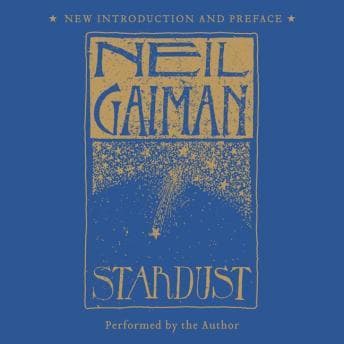

Let's get this out of the way immediately: The movie is a rom-com with Robert De Niro dancing in a dress. This book is a myth.
I tried explaining this to my AP Lit students last week when I caught one of them watching the film on their phone during study hall. They looked at me like I was speaking Latin. (Which, to be fair, I do sometimes just to mess with them.) But seriously—if you come to this expecting the high-octane energy of the film, you're going to be confused.
I listened to this over three nights while grading a stack of truly disastrous essays on *The Great Gatsby*. I needed something to scrub my brain. This was it.
When the Author Actually Knows How to Read
Look, I have a hard rule about author-narrated audiobooks: Don't do it. Usually. Writers are great at putting words on a page, but most of them have the vocal charisma of a damp sponge. They rush the good parts and mumble the dialogue.
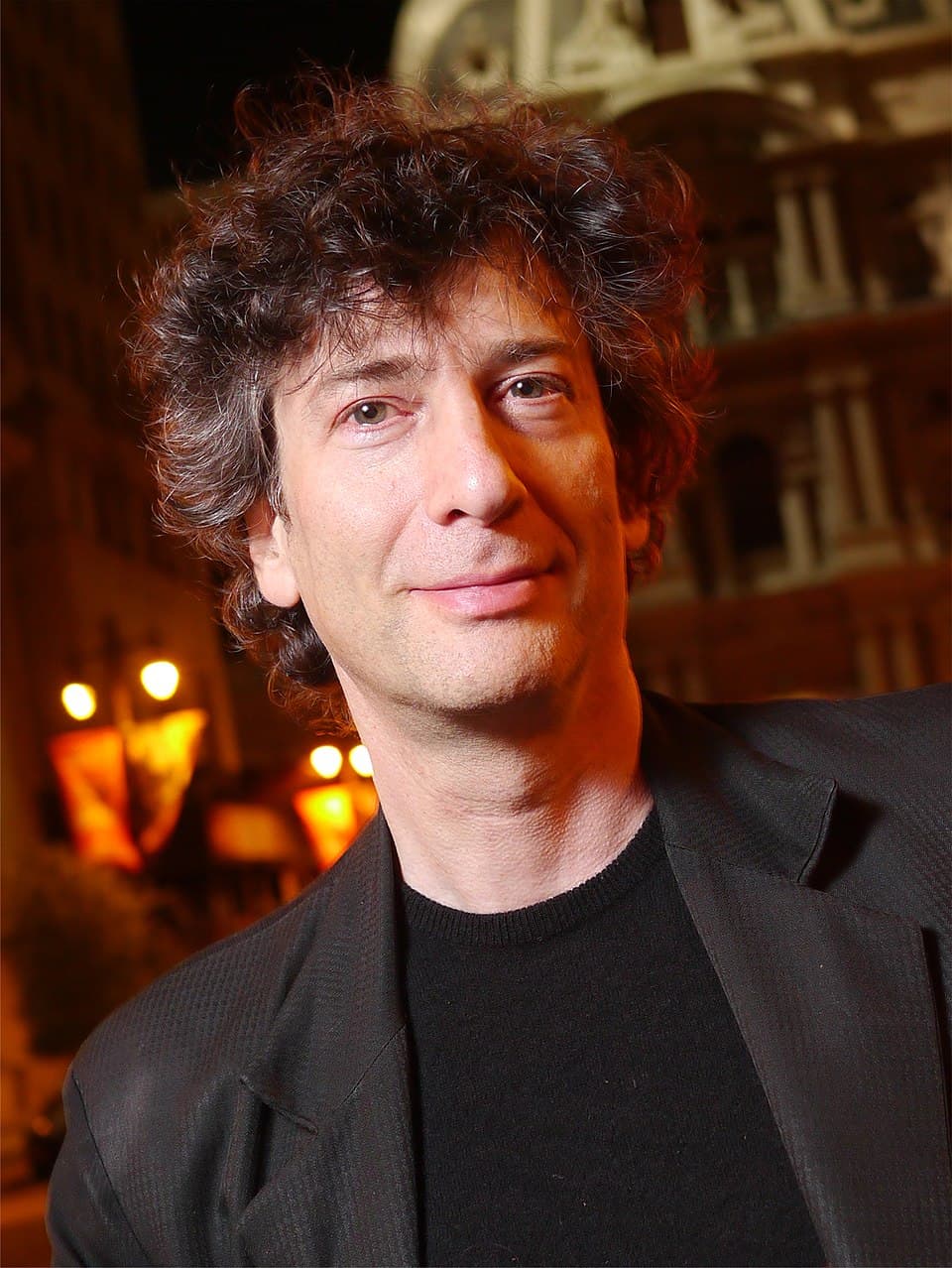
But Neil Gaiman? He's the exception that proves the rule.
The man sounds like he's sitting in a leather wingback chair next to a crackling fire, reading directly to you while sipping something expensive. He brings that same theatrical precision to American Gods: The Tenth Anniversary Edition, though that one's a much darker ride. He understands that the rhythm of a sentence is just as important as the words. There's a specific cadence to *Stardust*—it's old-fashioned, almost Victorian in its sentence structure—and Gaiman leans into that lilt. He doesn't just read; he performs the punctuation.
(My wife Denise walked in while I was listening to the scene with the witch-queen and asked if I was listening to a play. That's how distinct his character voices are.)
The Anti-Disney Fairytale
Here's the comparison that matters. If the movie is *The Princess Bride*, the audiobook is *The King of Elfland's Daughter*.
It's quieter. Way quieter.
The "Gift Edition" includes a prologue called "Wall" that sets up the history of the village. It's slow. My students would call it "boring" because nothing explodes in the first ten minutes. But for me? It grounded the fantasy. It felt like history, not just made-up fluff.
The romance between Tristran and the Star isn't the snappy, screwball comedy of the film. It's colder, stranger, and frankly, more earned. Secret Garden has that same quality—a story that respects its audience enough not to tie everything up with a bow. It reminds me of the original Grimm stories before Disney sanitized them—there's blood, there's melancholy, and people don't always get the happy ending they think they want.
Who This Is (and Isn't) For
Skip this if you want the movie's energy—the sword fights, the comedy, the pace. You'll be disappointed. But if you're the type who reads fairy tale collections for fun, who appreciates a story that moves like a river instead of a rollercoaster, who wants Gaiman's voice in your ears like a bedtime story for grown-ups? This is your book.
Mr. Williams's Final Grade
I listen to a lot of heavy stuff. Faulkner. Dostoevsky. Books that require me to take notes. *Stardust* isn't that. It's a comfort listen, but a smart one.
It felt like a palate cleanser after a long day of dealing with teenagers who think *Romeo and Juliet* is "cringe." Gaiman's narration has this soothing quality that lowers my blood pressure. It's whimsical without being annoying—a very hard line to walk.
So, yeah. I loved it. It's not the movie. It's something older and weirder. And honestly? It's better.