
What happens when the magician explains the trick while performing it?
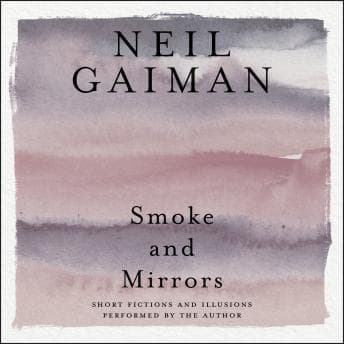
That's the peculiar pleasure of Smoke and Mirrors read by Gaiman himself. You're watching the author pull rabbits from hats, and somehow the fact that you can see his hands moving makes it more magical, not less. I finished this collection during a late grading session—my red pen abandoned somewhere around hour three, student essays forgotten entirely. Denise found me at midnight, still wearing my reading glasses, staring at nothing while the final story played out.
The Author as Instrument
Here's something my students would never understand: there's a difference between reading Gaiman and hearing Gaiman. His British cadence turns even the darkest material into something like a bedtime story for adults who should know better. The man reads his own index. Out loud. Every entry. And somehow—somehow—I didn't skip it. That's either proof of his voice's hypnotic pull or evidence that I've lost all sense of time management.
His American accents? Look, they're not great. When he attempts certain characters, you can hear him reaching for something that isn't quite there. But here's the thing: it doesn't matter. Because Gaiman reading Gaiman with an imperfect American accent is still Gaiman reading Gaiman. The passion is real. The emotional investment is genuine. You're not getting a performance; you're getting a confession.
"Chivalry" Made Me Text My Wife at 1 AM
There's a story in here about a widow who finds the Holy Grail at a thrift shop. Just... sitting there. Between the chipped teacups and someone's discarded wedding china. And what does she do? She takes it home. Makes tea. Polishes it.
I had to pause the audiobook. I texted Denise—who was asleep upstairs, mind you—"This is what Hemingway meant about grace under pressure but funnier." She did not respond. (She was, reasonably, sleeping.) But the point stands: Gaiman finds the mythic in the mundane without ever winking at you about it. The widow isn't impressed by the Grail. She's British. She's practical. She has standards.
The Uneven Magic
Not every story works. Let's be honest about that. Some feel like exercises—brilliant exercises, the kind of thing a master does to keep his hands limber—but exercises nonetheless. The pacing can drag in spots. And there's erotic content that, in audio format, feels more uncomfortable than it might on the page. Something about hearing it in Gaiman's measured, almost paternal voice creates a dissonance I wasn't prepared for.
But then you get to the Hollywood satire in "The Goldfish Pond," and suddenly you're laughing out loud during what was supposed to be quiet grading time. Or the troll story hits, and you remember being a frightened kid yourself, bargaining with forces you didn't understand. The collection is uneven the way a great album is uneven—the deep cuts aren't all hits, but they're all him. That same willingness to experiment with tone shows up in Into the Drowning Deep, though Mira Grant trades fairy tales for mermaids that actually terrify.
Who Should Queue This Up (And Who Should Run)
If you love Gaiman's novels but haven't tried his short fiction: start here. This is the author at his most experimental, most playful, most willing to fail in interesting ways. If you're looking for background listening while you fold laundry—absolutely not. These stories demand attention. They punish distraction. I tried to grade a single essay during "Snow, Glass, Apples" and ended up giving a B+ to something that clearly deserved a C.
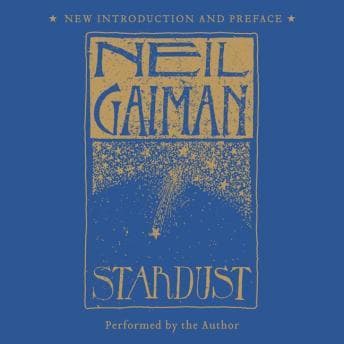
Skip this if you're uncomfortable with darkness, with fairy tales that bite back, with the occasional explicit moment delivered in that calm British register. Maybe try Stardust instead.
Worth Pausing the Faculty Meeting For
Principal Martinez, if you ever read this: I was definitely not listening to Neil Gaiman explain how assassins advertise in the Yellow Pages during your Q3 budget review. But if I had been, I would tell you it was worth it.
This collection is twenty-plus years old now, and it still feels like discovering a secret. The prose deserves to be savored. The narrator is the author, which means every pause, every emphasis, every slightly-off American accent is intentional. Deliberate. Chosen.
My students would hate this. Too slow. Too literary. Too much like homework.
I loved it. And I'm already planning my second listen—maybe during the next faculty meeting. (Kidding, Principal Martinez. Mostly.)