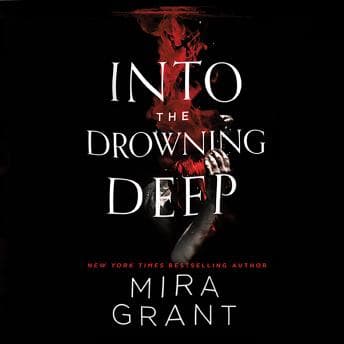

I made the mistake of starting this at 11 PM on a Tuesday. You know, just a casual listen while doing dishes. By 2 AM I was huddled on my couch with every light in the apartment on, Shirley giving me that look cats give when they're judging your life choices. Worth it? Absolutely. Regrets? Only that I have work tomorrow.
Mira Grant wrote a mermaid horror novel and somehow made it feel like the most scientifically plausible nightmare I've ever encountered. That's the thing about Into the Drowning Deep - it understands that horror isn't about gore, it's about dread. And the dread here? It builds like pressure in the deep ocean. Slow. Inevitable. Crushing.
The Setup That Actually Earns Its Scares
Seven years before our story, a ship called the Atargatis went looking for mermaids to film a mockumentary. Everyone died. The footage that survived was... bad. Now a new expedition is heading to the Mariana Trench, and look, we all know how this is going to go. Grant knows we know. She doesn't pretend otherwise.
But here's what elevates this beyond standard creature feature territory - the science. Grant (aka Seanan McGuire, for those keeping track) did her homework. The marine biology, the acoustic research, the evolutionary logic behind why these creatures exist and how they hunt. It's meticulous. My podcast listeners are going to eat this up because it's horror that respects both the genre AND the science. When the mermaids finally show up in force, you believe in them. You understand them. And that makes them so much worse.
Victoria Stewart lost her sister on the Atargatis. She's not on this voyage for science or glory - she wants answers. And honestly, the emotional core of this book hit harder than I expected. The grief is real. The desperation is real. The way trauma makes people do incredibly stupid things in pursuit of closure? Painfully real. Identicals explores that same desperate need for answers when someone you love disappears, though it trades deep-sea horror for psychological suspense.
Christine Lakin Commits (And That's Everything)
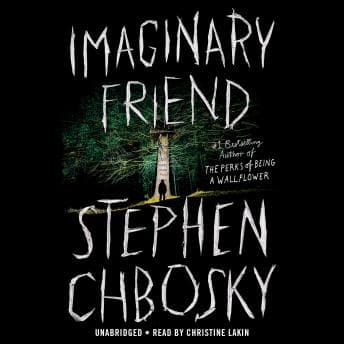
The narrator commits. That's rare. Seventeen hours is a long time to spend with one voice, and Lakin keeps you locked in. Her pacing matches the novel's slow-burn structure - measured and deliberate in the early chapters, increasingly frantic as things go sideways. She gets that horror audiobooks need restraint. You can't start at a ten or you've got nowhere to go.
Her character differentiation is solid. Not perfect - I've seen some folks mention the accent work can be hit or miss, and yeah, there are moments where certain characters blur together. But the core cast? Distinct. Victoria's determination, Tory's scientific precision, the barely-contained mania of the hunters who think they're prepared for what's down there. (Spoiler: they are not prepared.)
What really worked for me was how Lakin handled the horror moments. She doesn't oversell. When things get bad - and they get BAD - she lets the writing do the heavy lifting while providing just enough vocal tension to keep your stomach knotted. I listened to the final act in the dark. Mistake? Maybe. But the atmosphere was perfect.
Where It Drags (Because Nothing's Perfect)
Seventeen hours is a lot. And I'll be honest - the middle section has some pacing issues. Grant introduces a huge cast, which makes sense for a disaster narrative where you need bodies to throw at the monsters. But keeping track of everyone during the slower setup chapters required more attention than I sometimes had. There were moments I zoned out and had to rewind.
Also, if you're looking for subtle horror, this ain't it. Once the mermaids arrive in force, Grant goes full throttle. Body horror. Psychological horror. The kind of scenes that made me genuinely uncomfortable. Femicide hit me with that same visceral discomfort, though its horror comes from human monsters instead of the deep-sea variety.
Some reviewers found the characters underdeveloped, and I get that critique even if I don't fully agree. This is an ensemble piece, and not everyone gets equal depth. But the characters who matter - Victoria, Tory, the core scientists - they feel lived-in. Real enough that I cared when they were in danger.
The Verdict
Shirley Jackson walked so Mira Grant could swim into the abyss. This book understands what makes creature horror work: you need to care about the people being hunted, and you need the hunters to feel genuinely alien. Grant delivers on both fronts. Her mermaids aren't sexy or romanticized. They're apex predators with a communication system humans can barely comprehend. They're beautiful the way deep-sea anglerfish are beautiful - which is to say, terrifyingly.
The audiobook production is clean. No weird audio artifacts, no jarring transitions. Just Lakin's voice and seventeen hours of mounting dread.
Who Should Listen (And Who Should Skip)
This is for horror fans who want their scares grounded in science. Creature feature lovers who are tired of stupid characters making stupid decisions. Anyone who's ever wondered what's really down in the deep ocean and then immediately regretted wondering.
Skip if you need fast pacing from page one, if body horror makes you genuinely uncomfortable (no judgment, know your limits), or if you're looking for a light listen.
I'm adding this to my "best horror audiobooks" episode list. Shirley (my cat) was unimpressed. I was terrified. And honestly, that's exactly what I wanted.