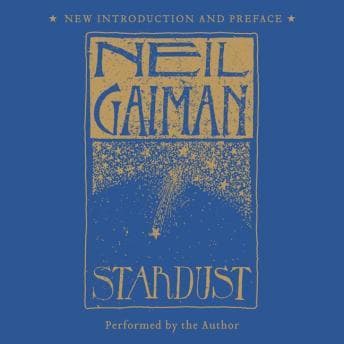

What happens when a writer reads his own nightmares aloud?
I was grading sophomore essays on The Great Gatsby at 11 PM—you know, the ones where every student discovers symbolism like they invented it—when I put this on. Figured some Gaiman would keep me awake. Three hours later, I'd forgotten about Nick Carraway entirely and was staring at my red pen like it might do something sinister.
This is what happens when you let an author loose on his own short fiction. And honestly? It's the best argument for author-narration I've encountered in years.
That Voice of Treacle and Honey
Someone described Gaiman's voice as "treacle and honey" and I can't improve on that. The man reads like he's sitting across from you at a pub in some English village where the locals definitely know something about the standing stones they're not telling tourists. He shifts from tense concern to quiet menace without ever raising his volume. It's all in the breath, the pause, the slight tightening of consonants.
His Scottish accent work—particularly in the story featuring the dwarf—is genuinely impressive. And he does this thing with female characters where he softens his tone just enough to suggest femininity without descending into caricature. I've heard professional narrators fail at this spectacularly. Gaiman makes it look effortless.
But here's the confession: around hour six, my attention started drifting. Not because the narration faltered—it didn't—but because short story collections demand a different kind of listening. Each piece resets your brain. You can't coast on momentum the way you can with a novel. This is a feature, not a bug, but it means this isn't background listening. You're either in or you're out.
The Stories That Haunt the Margins
"Black Dog" is the crown jewel here—a return to the American Gods universe that feels like Gaiman never left. Shadow's quiet grief, that English countryside that's never quite as pastoral as it pretends to be. If you loved the novel, this is the reunion you wanted.
But the smaller pieces surprised me more. "Click-Clack the Rattlebag" explains those sounds you hear when you're alone in the dark. It's maybe fifteen minutes long and I genuinely looked over my shoulder during the ending. In my own kitchen. With the lights on. Game pulled off a similar trick—making me paranoid in broad daylight about something completely irrational. My students would mock me for this. They'd be right.
"Adventure Story" functions as a thematic companion to The Ocean at the End of the Lane, and it's the kind of meditation on death and memory that Gaiman does better than almost anyone working today. The prose deserves to be savored—and at 1.0x, you can actually hear the rhythm he intended. (Yes, I'm that person. I accept my fate.)
The Doctor Who story written for the fiftieth anniversary is pure fan service, but the good kind. The kind where you can hear Gaiman grinning through the performance.
Where the Collection Wobbles
Not everything lands. Some of the Calendar of Tales pieces—those Twitter-inspired shorts about the months—feel more like exercises than finished work. They're clever, but clever isn't the same as essential. And a few listeners have reported technological issues with certain audiobook platforms, which isn't Gaiman's fault but worth noting if you're on an older app.
The bigger issue is the nature of short fiction itself. You're constantly starting over. Characters you've just met disappear. Worlds dissolve. If you want immersion, a novel delivers it more reliably. Collections like this are more like gallery walks—you stop, you look, you move on. Some pieces stay with you. Others don't.
Who This Is For (And Who Should Start Elsewhere)
If you've never read Gaiman, this isn't where I'd start. Go to The Graveyard Book or American Gods first. Let him build a world for you before you sample his nightmares. Skip this if you need narrative momentum or hate the stop-start rhythm of anthologies.
But if you're already a fan? This is worth your time. The author-narration adds something no hired voice could replicate—intention. Gaiman knows where the scares live because he built them. He knows which words carry weight because he chose them.
This reminds me of what Hemingway said about prose being architecture. Gaiman's architecture has trapdoors. And he knows exactly where they are.
Worth Pausing the Faculty Meeting For
Eleven hours is a commitment for a short story collection. But these eleven hours come with the author's own voice, his own interpretation, his own quiet menace. Some pieces will fade. Others—"Black Dog," "Click-Clack the Rattlebag," "Adventure Story"—will settle into your brain like guests who forgot to leave.
Principal Martinez, if you're reading this: I was definitely paying attention during the curriculum meeting last Thursday. But also, you should listen to this. Just not during budget presentations. The horror elements might make the spreadsheets worse.