
"We were the only surviving members of our family."
That line hit me somewhere around mile marker 47 on the I-10, and I had to pull into a gas station parking lot. Not because I needed gas. Because I needed a minute.
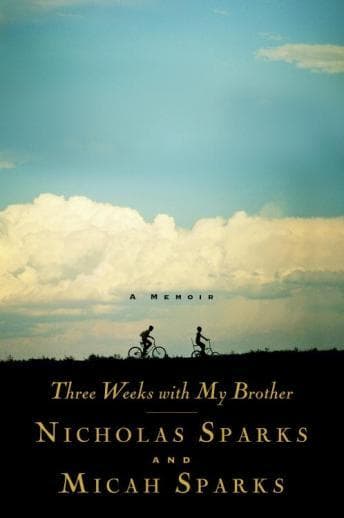
Look, I picked this up thinking it would be a light memoir about two brothers traveling the world. Machu Picchu, the Taj Mahal, that kind of thing. Pretty pictures, surface-level reflections. Something to keep me awake on the drive home after a brutal night shift. I was wrong. So wrong.
When the Travel Fades and the Real Story Hits
Here's the thing about this audiobook—the globe-trotting adventure is just the frame. The actual story? It's about loss. Real, gut-wrenching, one-after-another loss. Their mom. Their dad. Their sister. And Nicholas and Micah are processing all of it while standing in front of Easter Island statues and Cambodian temples. The contrast is almost jarring at first, but then it makes perfect sense. Sometimes you need to be far away from home to actually feel what home meant.
As someone who's actually worked a code, who's held hands with families in waiting rooms at 4 AM, I can tell you—grief doesn't follow a schedule. It ambushes you. And that's exactly what happens here. One minute they're joking about Micah's daredevil stunts, the next they're remembering the phone call about their mother's accident. Henry Leyva captures those shifts beautifully. His voice warms during the funny childhood stories (and there are some genuinely hilarious ones), then drops into something quieter, more careful, when the heavy stuff arrives.
The Voice in My Head at 6 AM
Leyva's narration is solid. Warm, steady, the kind of voice you'd want reading you through an emotional story. He doesn't overdo the sad parts—which I appreciate. Nothing worse than a narrator who sounds like they're begging you to cry. He lets the words do the work.
One complaint though: those musical intros at the start of chapters? Sometimes they're mixed a little loud, and Leyva's voice gets buried for a few seconds. Minor annoyance, but after nine hours, you notice. I found myself turning up the volume, then scrambling to turn it back down when the music faded. Not ideal when you're trying to stay awake on the road.
But honestly, that's my only real gripe. The pacing works. Nine hours feels right for this story—not rushed, not dragging. Perfect for a week of commutes. Why We Sleep would probably tell me those post-shift emotions are just sleep deprivation, but I know the difference.
Carlos Asked Why I Was Crying in the Car
I blamed allergies. Obviously.
But there's this section where Nicholas talks about his sister's death—she was young, it was sudden, and the way he describes the aftermath... I've seen that look on families' faces. I've been in those rooms. The book doesn't sensationalize it. It just tells the truth about how loss reshapes a family. How the surviving members cling to each other or drift apart. How you can be thirty-seven years old and still feel like an orphan.
My mom would love this, actually. (She still thinks I should've been a doctor, but she's a sucker for family stories.) It's got that Filipino-family energy—the eldest sibling carrying weight, the unspoken expectations, the way you joke about trauma because what else are you going to do? Very Punchable Face has that same humor-as-coping-mechanism thing going on, though Colin Jost's family trauma is more "overbearing Irish mom" than "surviving multiple losses."
Now, I'll say this: some listeners might find parts a little... preachy? There are moments where the life lessons feel a bit on-the-nose. "Embrace uncertainty! Cherish the small moments!" That kind of thing. If you're allergic to sincerity, this might not be your book. But I don't know—after fifteen years of night shifts and more codes than I can count, I'm okay with a little earnestness. Life is short. The Sparks brothers learned that the hard way.
Who This Is (and Isn't) For
If you've lost a parent, a sibling, anyone who felt like home—this one's going to hit. It's for people who want their travel memoirs with actual substance underneath. Skip it if inspirational life lessons make you roll your eyes, or if you need something lighter right now. No shame in that.
Clocking Out
This is a perfect post-shift listen. Emotional but not overwhelming. Funny in the right places. And it reminded me why I call my siblings more than I probably need to. (They're fine. They're always fine. But still.)
Would I listen again? Maybe not immediately—it's a lot to process. But I'm glad I spent those nine hours with Nicholas and Micah. Sometimes you need a book that makes you pull over at a gas station. Sometimes that's exactly the point.