
Do you ever look back at the days when you were broke, hungry, and absolute nobody, and convince yourself those were actually the best times of your life?
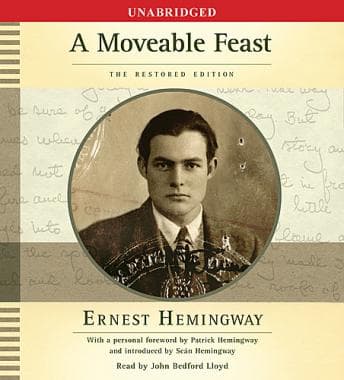
That's the question that kept nagging me while I sat in my truck—waiting for a client who was running forty minutes late—listening to A Moveable Feast. I'm usually a thriller guy. Give me a ticking clock and a bomb to defuse, and I'm happy. I gave Hemingway's Sun Also Rises the same courtesy—war earns you credibility in my book. But Linda put this on my radar, and since Hemingway drove an ambulance in WWI and covered WWII, I figure he gets a pass into my library. Even if this book is mostly about drinking wine and being poor in Paris.
The Voice in the Cab
Let's be real. Most narrators are just reading words. John Bedford Lloyd? He's channeling a ghost.
I don't say that lightly. I listen at 1.25x speed because I have zero patience for dramatic pauses, but I almost slowed this down. Lloyd has this warm, gravelly delivery that sounds exactly how I imagine Hemingway sounded before the hard years really set in. He captures that specific arrogance of being young and talented and thinking you own the world, even if you can't afford lunch.
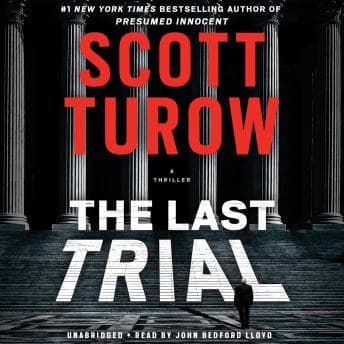
Ranger (my German Shepherd) usually sleeps through my audiobooks, but even he perked up a few times. Lloyd's delivery isn't "performancey"—it's conversational. He brought that same authenticity to Last Trial, where the stakes were higher but the honesty was just as raw. Felt like sitting in a dive bar with an old buddy who's three drinks deep and finally telling you the truth about his past.
When the Intel Gets Messy
Here's where the "Restored Edition" label gets tricky. And honestly, this is where the book almost lost me.
I treat books like mission briefings. I want the intel organized, clear, and actionable. This edition includes the "original manuscript" along with unfinished sketches and scraps. It's raw.
For a literary scholar, that's probably gold. For a guy just trying to enjoy a story? It's choppy.
You get these repetitive loops. Scenes that don't quite land because Hemingway hadn't polished them yet. It's like reading a field report before the Lieutenant took a red pen to it. Authentic? Sure. But it drags the pacing down. There were moments I checked my phone to see if the chapter had restarted by accident. It hadn't. It was just the "restored" nature of the beast.
The Fitzgerald Problem (And the Hunger)
Despite the structural mess, the stories land. The way he talks about F. Scott Fitzgerald—it's brutal and hilarious. I've known officers like Fitzgerald. Brilliant, but absolute disasters in the field. High maintenance. Hemingway portrays him with this mix of admiration and total annoyance that feels incredibly real.
And the hunger. Hemingway writes about being hungry the way soldiers talk about sleep. It's a physical presence. You feel it.
Mission Debrief
Who should listen: Anyone who wants to feel like they're sitting at a sidewalk café in 1920s Paris, freezing their ass off but feeling alive. Hemingway fans. People who appreciate raw, unpolished honesty over slick narrative arcs.
Who should skip: If you want a tight, polished story with a clear beginning, middle, and end, go buy a Jack Reacher novel. The "restored" material will test your patience.
Is it worth the credit? Yeah. Lloyd's voice alone is worth the price of admission. Just be prepared for some rough edges.