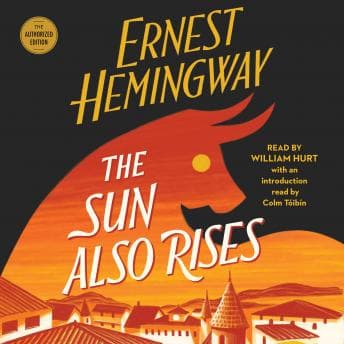

I usually tell my AP English kids that Hemingway is the original "sad boy" of literature. They roll their eyes. (They roll their eyes at everything, honestly, especially when I use terms like "sad boy.") But listening to William Hurt read The Sun Also Rises while I was grading a stack of truly terrible essays on The Scarlet Letter... it hit different.
I've read this book a dozen times. I've dissected the sentence structures on a whiteboard until my markers ran dry. But audiobooks catch you off guard. They force you to hear the rhythm, not just see it. And let me tell you, William Hurt makes some choices here.
The Sound of Broken People
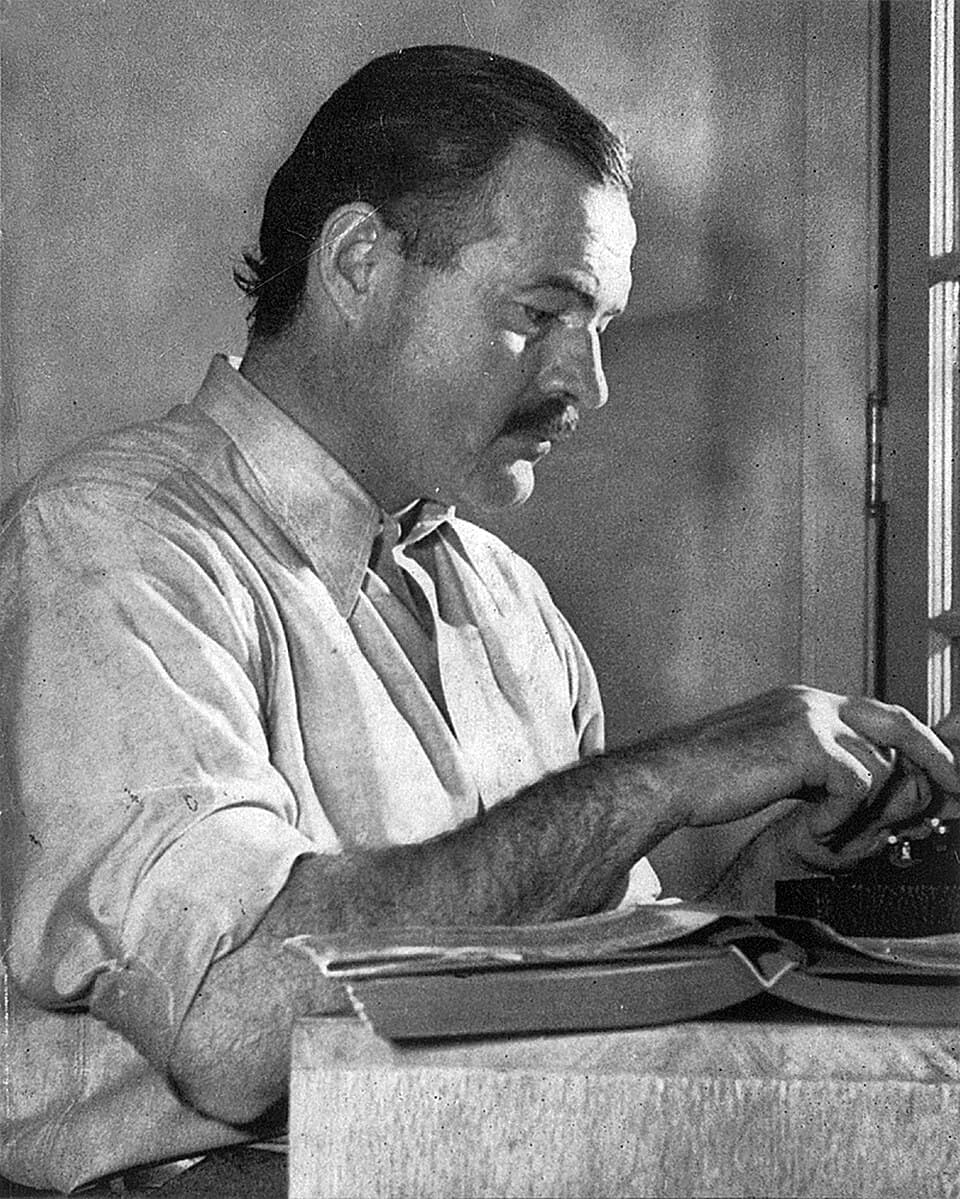
Here's the thing about Hemingway: everyone thinks it's just tough guys drinking wine and watching bullfights. But it's really about trauma. It's about people who are so shattered by the war that they can't function, so they just... exist. Loudly.
William Hurt gets this. He doesn't just read the lines; he inhabits the exhaustion. His voice is quiet. Almost too quiet. He has this slow, deliberate cadence that forces you to sit in the discomfort. Hemingway famously believed in the "Iceberg Theory"—that the most important parts of a story are the things not said. Hurt understands that the silence between the words is where the real story happens. He pauses long enough for you to feel Jake Barnes's emasculation, his hopelessness. It's performance art, really.
When the Acting Gets in the Way
But—and we have to be real here—it's not all perfect. (Perfect is boring anyway, right?)
Hurt is an actor, and sometimes he acts a little too hard. The accents. Yikes. When he tries to do the Scottish or upper-class British voices for Lady Brett Ashley or the other expats, it sounds... odd. Like a bad sketch comedy routine happening in the middle of a tragedy. It pulled me right out of the smoky Parisian café vibe and dropped me into a weird acting workshop.
And the pacing? It drags. Seriously. There were moments during the fishing trip scenes where I actually checked my phone to make sure the app hadn't paused. If you're used to modern thrillers where everything is punch-punch-punch, this is going to feel like watching paint dry. Beautiful, tragic paint, but still.
Why It's Still Worth the Listen
Despite the weird accents and the glacial pace, I couldn't stop listening. Because when Hurt drops the funny voices and just narrates Jake's internal monologue? It's haunting. It captures that specific 3 AM feeling of being surrounded by people but being completely alone.
My students would hate this. They'd call it "boring" and "cringe." But for those of us who have lived a little, who know what it's like to carry a ghost around with us? This one lands. It's a mood piece. I got that same melancholic vibe from Black Beauty, though obviously the subject matter couldn't be more different.
Who should listen: Anyone who appreciates slow-burn literary fiction and wants to finally hear what Hemingway was doing with those spare sentences. Who should skip: My students. And anyone who needs plot momentum to stay engaged.
Just do yourself a favor: bump the speed up to 1.25x. The prose deserves to be savored, sure, but we don't have all century.