
Seventeen hours of axe murders got me through two weeks of post-shift drives, and honestly? I'm still processing.
Look, I picked this up because Carlos was out of town and I needed something to keep my brain occupied during those 3 AM charting lulls when the unit goes quiet. True crime usually does the trick—keeps me alert without being so intense I can't focus when a patient actually needs me. Copper River had that same pull, the kind of story that doesn't let go even after you've clocked out. But this one? This one followed me home. Multiple times I sat in my driveway, engine off, just... listening.
When a Baseball Guy Solves Murders
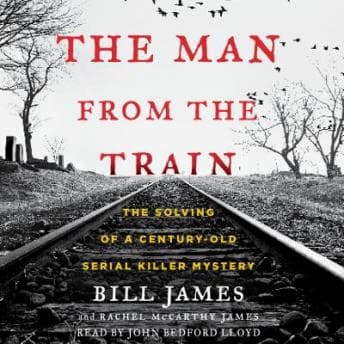
Bill James is apparently famous for baseball statistics. I know nothing about baseball—Carlos has tried to explain sabermetrics to me exactly once, and I fell asleep on the couch. But here's the thing: the same analytical brain that revolutionized how people think about batting averages? Turns out it's terrifyingly effective at connecting century-old murder cases.
The premise sounds almost absurd when you say it out loud. A statistician and his daughter spend years combing through newspaper archives from the early 1900s, tracking families who were bludgeoned in their sleep with axes. But James approaches it like he's building a case study—methodical, evidence-based, willing to admit when he's speculating versus when he's certain. As someone who's worked a code and had to piece together what happened to a patient from scattered information, I appreciate that intellectual honesty. He doesn't pretend to have answers he doesn't have.
The medical details are accurate. Finally. When he describes the crime scenes, the injuries, the way bodies were positioned—it's clinical without being gratuitous. He's not writing murder porn. He's documenting. There's a difference, and after years of yelling at my dashboard about how TV shows get trauma injuries wrong, I noticed.
John Bedford Lloyd's Steady Hand
The narrator choice here was smart. Lloyd has this commanding baritone that feels like a documentary voice—steady, calming, authoritative. For material this dark, you don't want someone who's going to lean into the horror. You want someone who can describe a family of seven being murdered in their beds and maintain enough emotional distance that you can actually absorb the information.
Some folks found him too steady, not dynamic enough. I get that. But honestly, at 4 AM when I'm driving home after a rough shift, the last thing I need is dramatic vocal flourishes about axe wounds. Lloyd's approach let me engage with the material without it becoming overwhelming. Perfect for that post-shift decompression.
The pacing works for the content—this is dense, research-heavy stuff with a lot of jumping between cases across different states and decades. Lloyd keeps it clear enough that I never got lost, even when my brain was running on four hours of sleep and hospital coffee.
The Part That Made Me Uncomfortable (And Not Because of the Murders)
Okay, so. Some listeners found James's tone condescending, and I can see it. There's this conversational, almost fireside-chat quality to his writing that occasionally tips into "let me explain this to you" territory. He's clearly brilliant, and sometimes brilliant people forget that their audience isn't stupid.
Also—and this is harder to explain—there are moments where his speculation about the killer's psychology felt... off. Not wrong, exactly, but like he was getting a little too into the mindset. Carlos asked why I was making a face at my steering wheel one morning. I blamed allergies.
The book also repeats information. A lot. If you're listening in short bursts like I was, that's actually helpful—good for continuity. But if you're doing a long road trip session, it might feel redundant.
Who This Is For (And Who Should Skip)
Night shift approved. Seriously. This is ideal for anyone who needs something intellectually engaging but not so action-packed that you can't pause when life interrupts. The 17-hour runtime sounds intimidating, but it flew by for me.
True crime fans who are tired of sensationalized garbage will appreciate the analytical approach. History buffs will love the cultural context about early 1900s America—the dysfunctional justice system, the opportunistic private detectives, the way rural communities dealt with violence before forensic science existed.
Skip if you're sensitive to graphic violence descriptions. The crimes themselves are horrific, and while James doesn't exploit them, he doesn't shy away either. Also skip if you need fast pacing—this is a slow burn, building a case piece by piece.
Clocking Out
My mom would love this (she still thinks I should've been a doctor, but she also watches every true crime documentary on Netflix). I already texted her the recommendation.