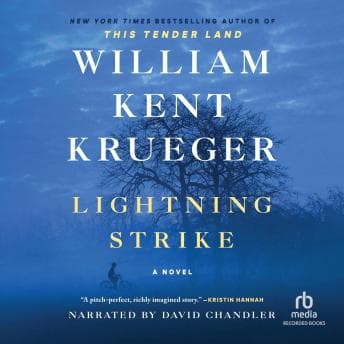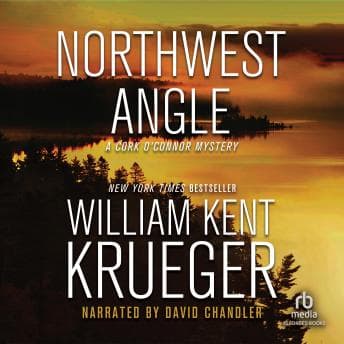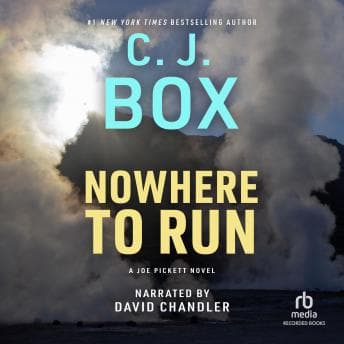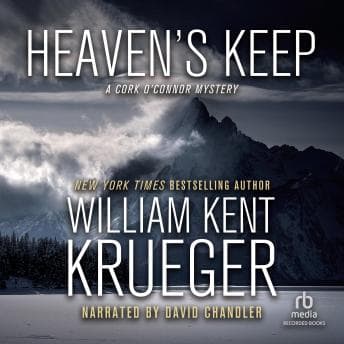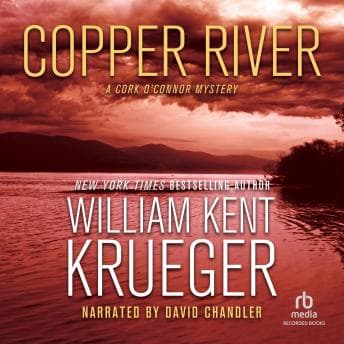

Look, I picked up Copper River because I needed something to keep me awake on my drive home after a particularly brutal night shift. Three codes, a combative patient, and a new resident who didn't know where the crash cart was. The usual chaos. What I didn't expect was to be so hooked that I sat in my driveway for twenty minutes, engine running, because I couldn't stop listening.
William Kent Krueger knows how to open a book. Cork O'Connor shows up with a bullet in his leg and a price on his head, hiding out in some tiny Michigan town with his cousin and her teenage son. And here's the thing - the medical stuff? Actually pretty accurate. When Cork's dealing with that leg wound, I wasn't yelling at my dashboard. That alone puts this above half the thrillers I've listened to this year.
When a Wounded Cop Meets Small-Town Secrets
What got me was how Krueger handles vulnerability. Cork O'Connor is this tough former sheriff, part Irish, part Native American, and he's basically helpless. Hiding. Hurting. And then these kids start getting threatened and he has to decide - stay hidden and safe, or blow his cover to protect them. It's not a hard choice for him, which tells you everything about who this character is.
The pacing is slow-burn in the best way. Krueger builds tension like pressure in a wound (sorry, occupational hazard with the metaphors). You know something bad is coming. You just don't know when or from where. The small-town Michigan setting feels real - I've got family in places like this, those communities where everyone knows everyone's business but nobody talks to outsiders. Krueger nails that suspicious warmth, if that makes sense.
Ren, the teenage nephew, is surprisingly well-written. I have three kids and I know how easy it is to write teenagers as either angels or complete disasters. Ren feels like an actual kid - scared sometimes, brave sometimes, making dumb decisions for understandable reasons. His friends too. These aren't just plot devices, they're people.
David Chandler Brings the Vulnerability
David Chandler's narration is exactly what this story needs. Taut. Controlled. He doesn't oversell Cork's pain or his determination - he lets it simmer. The female voices are solid, which honestly isn't always the case with male narrators. Jewell sounds like a real woman, not a man doing a falsetto.
What really impressed me was how Chandler handles the quiet moments. There's a lot of internal processing in this book, Cork working through his situation, and Chandler makes that interesting instead of boring. His pacing matches the tension Krueger builds on the page. When things get intense, the narration tightens up. Chandler does the same thing in Nowhere to Run, where that controlled delivery makes all the difference. When there's breathing room, he lets you breathe.
I listened at regular speed, which I almost never do. Usually I'm at 1.25x minimum because night shift brain needs stimulation. But Chandler's delivery has this rhythm that works best at normal speed. The pauses matter.
Who Should Listen (And Who Should Skip)
If you like character-driven mysteries where the setting is almost a character itself, this is your book. Cork O'Connor has that wounded-hero thing going on without being annoying about it. He's competent but not invincible. He makes mistakes. He bleeds. That same wounded-but-competent vibe runs through Open Season, another solid listen where the protagonist isn't some invincible superhero.
Fair warning - there are some heavy themes here. Violence that doesn't feel gratuitous but definitely doesn't shy away from consequences. Krueger writes what the book jacket calls "grisly" prose, and yeah, that's accurate. Some of the stuff involving the threatened teenagers is disturbing in a way that feels real, not exploitative. Skip this one if you need lighter fare or can't handle violence toward minors, even when it's handled responsibly.
I will say - and some other listeners have noted this too - there are moments where Krueger gets a little preachy. Some of the Native American cultural elements feel slightly heavy-handed. It's not constant, and it didn't ruin anything for me, but if you're sensitive to that, be aware.
Carlos asked why I was still in the car when he got up for work. I blamed traffic. He didn't believe me. But honestly? I just needed to know if those kids were going to be okay. That's the mark of a good thriller - when you forget you're supposed to be going inside.
Perfect for that post-shift decompression when you need something engaging enough to keep you awake but not so complicated you can't follow it with a tired brain. Night shift approved.