
I was grading sophomore essays on The Metamorphosis at 11:47 PM—yes, I check the clock compulsively when I'm losing the will to live—when I decided to take a break with the source material's lesser-known sibling. Twenty-nine minutes. That's all Kafka asks. Less time than my students spend explaining why Gregor "probably just had a really bad dream."
And yet those twenty-nine minutes hit harder than most novels I've listened to this year.
The Father Problem We Don't Teach Enough
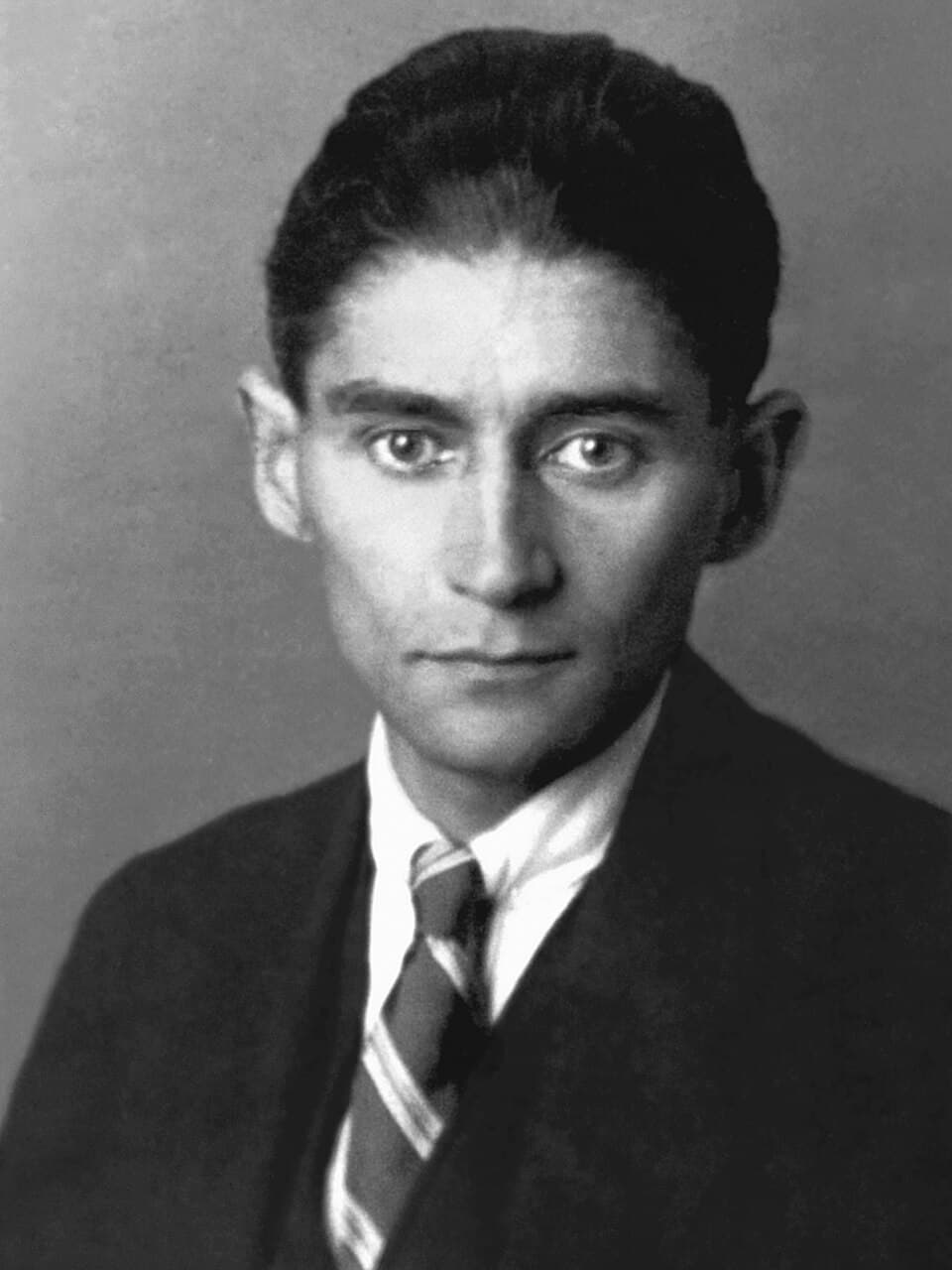
Here's what I tell my AP Lit kids about Kafka: the man had daddy issues that make Hamlet look well-adjusted. "The Judgment" is essentially Kafka's therapy session committed to paper in 1912, written in a single night, and it shows. The story moves with the logic of a nightmare—Georg Bendemann is writing a letter to a friend in Russia, mentions it to his bedridden father, and suddenly the old man is out of bed, towering, accusing, condemning his son to death by drowning.
The shift happens so fast your brain needs a moment to catch up. One second we're in domestic mundanity. The next, we're watching a father pronounce a death sentence on his child. And Georg—this is the part that always gets me—Georg accepts it. He runs to the bridge and throws himself over.
This is why we still read the classics. Not because they're "important" or on some dusty syllabus, but because Kafka understood something about family dynamics that still makes us squirm over a century later. The way a parent's disapproval can feel like annihilation. The way we sometimes believe we deserve the cruelty directed at us. That same psychological brutality—though dressed in very different clothes—runs through Ruthless King, where power dynamics between characters create their own kind of emotional annihilation.
Michael Scott and the Challenge of Kafka's Voice
I'll be honest—I went into this with limited expectations about the narration, and I came out... still uncertain. At twenty-nine minutes, there's not much runway for a narrator to establish distinct voices or build an interpretive framework. Michael Scott (not that Michael Scott, my students always ask) delivers the text cleanly, competently. The prose deserves to be savored, and he doesn't rush it.
But here's my issue with most Kafka audiobooks: the text itself is so strange, so dreamlike in its precision, that neutral delivery can feel like a missed opportunity. When the father rises from his bed—"Am I well covered up?" he asks, then throws off the blankets to stand on the mattress—that moment needs something. A shift. A chill. I'm not sure Scott quite captures the horror of that transformation from invalid to executioner.
Then again, maybe restraint is the right choice. Kafka's power comes from his matter-of-fact descriptions of impossible things. Perhaps screaming the quiet parts would cheapen them.
Twenty-Nine Minutes of Literary Vertigo
The brevity is both blessing and curse here. You can listen during a single walk around the block. I finished mine somewhere between Diversey and Fullerton, Denise asking why I'd stopped talking mid-sentence. (I was listening to the father's final condemnation. It's not the kind of thing you pause for small talk.)
But that brevity means there's no time to settle in. No time to let the audio production establish atmosphere. You're in, you're devastated, you're out. For a free or cheap listen, that's fine. For a credit? That math doesn't work.
This is the kind of text I assign my students to read—actually read, on paper, where they can stop and stare at the wall and process. The audiobook serves more as a companion piece, something to revisit after you've already grappled with Kafka's particular brand of existential dread.
Who Should Drown Themselves in This
If you've never read Kafka, start with "The Metamorphosis." It's longer, it's weirder, it's more iconic. But if you're already a Kafka convert looking for a quick hit of that familiar anxiety, "The Judgment" delivers. My students would hate this—there's no clear moral, no redemption arc, no TikTok-friendly takeaway. I love it.
Skip this if you need your audiobooks to justify their runtime with plot. Skip it if ambiguity frustrates you. Skip it if you have a complicated relationship with your father and don't want to think about it today.
Listen if you want to feel something uncomfortable in under half an hour. Listen if you're teaching Kafka and want to hear the rhythm of his sentences out loud. Listen if you believe, as I do, that great literature should occasionally make you miss your train stop.
A Library Borrow, Not a Credit Spend
Not quite worth pausing the faculty meeting for. This is a library borrow, a streaming curiosity, a free YouTube listen while you're pretending to organize your desk. The performance is serviceable, the text is brilliant, but the value proposition for an audiobook credit just isn't there. Twenty-nine minutes of Kafka is still Kafka—but save your money for a collection that gives you more to chew on.