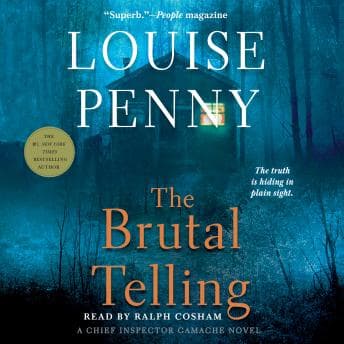

So there I was, 4 AM, charting vitals on a patient who'd finally stabilized after a rough night, and Ralph Cosham's voice was the only thing keeping me from stress-eating the entire snack drawer. Fifteen hours is a commitment. But honestly? This book earned every minute.
I've been working my way through the Gamache series during night shifts for months now. Started because a coworker said it was "cozy mystery" and I laughed in her face. Cozy? This series has gotten progressively darker, and How the Light Gets In is where Louise Penny stops playing nice.
When Everything Falls Apart
Look, I work in a Level 1 trauma center. I know what institutional betrayal looks like. I've seen good nurses get pushed out by politics while the ones who cut corners get promoted. So when Gamache's department is being systematically dismantled, when his best people are scattered and his closest friend won't speak to him—I felt that in my chest.
Penny writes corruption the way it actually works. Not mustache-twirling villains, but slow erosion. Death by a thousand paper cuts. Locked On tried to capture that same institutional decay, though it leaned harder on the thriller side than the emotional weight. The kind of thing where you look up one day and realize the people who were supposed to have your back have been quietly repositioning themselves for months.
(Carlos asked why I was crying in the car after this one. I blamed allergies. In December. He didn't buy it.)
The mystery itself—a famous woman who disappeared and reinvented herself—is almost secondary to watching Gamache hold himself together. That's not a criticism. That's the point. Sometimes the case is just the frame for something bigger.
Ralph Cosham Understood the Assignment
Here's the thing about narrators: most are fine. They do the job. Ralph Cosham was something else entirely.
He didn't just read Gamache—he inhabited him. The quiet authority, the warmth underneath the professionalism, the moments where you can hear the exhaustion creeping in. I've worked with doctors like that. The ones who've seen too much but keep showing up anyway. Cosham captured that bone-deep weariness without ever making Gamache seem defeated.
And Ruth Zardo? The cranky, brilliant poet who swears like a sailor and keeps a pet duck? Cosham nailed her too. Different voice, different energy, but still believable as someone who exists in the same world. That's harder than it sounds.
The French Canadian accents felt authentic (my Filipino ears aren't the best judge, but nothing made me wince). The pacing matched the prose—slow when it needed to breathe, urgent when things escalated. Perfect for those 3 AM moments when the unit is quiet and you're trying to stay alert.
Grief Done Right
Okay, this isn't a medical thriller, so I can't yell at my dashboard about defibrillator protocols. But Penny writes grief and trauma with the kind of accuracy that suggests she's either done her research or lived through something. The way characters hold their pain, the way old wounds resurface at inconvenient moments—that's real.
There's some violence related to the investigation, and a few scenes hit harder than expected. Nothing gratuitous. Just... heavy. The kind of heavy that sits with you during the drive home.
Who Needs This (And Who Should Wait)
If you're new to the series, don't start here. Seriously. You need the foundation. The emotional payoffs depend on knowing these characters, understanding what Gamache has built and what he's losing. Start with Still Life and work your way through. Skip this one if you want a standalone mystery or if institutional corruption hits too close to home right now.
But if you've been following along? This is the one where everything comes together. All those threads Penny has been weaving since book one? They start pulling tight here.
Perfect for night shift decompression. Perfect for long commutes when you need something that engages your brain without requiring visual attention. Perfect for anyone who's ever watched something they cared about get slowly dismantled by people who should've known better.
My mom would love this, actually. She's been on a mystery kick since she retired, and Penny writes the kind of character-driven stories that reward patience. (She still thinks I should've been a doctor, but she's coming around to appreciating my book recommendations.)
Clocking Out
The Leonard Cohen quote that gives the book its title—"There is a crack in everything. That's how the light gets in"—sounds like greeting card wisdom until you've lived through something that cracked you open. Then it sounds like the truest thing anyone's ever said.
Night shift approved. Bring tissues.