
When was the last time you stopped mid-sentence while reading student essays about "The Great Gatsby" and thought - wait, when did I last actually look at a mountain? Not a photo, not a screensaver, but really stopped and considered what a glacier does to granite over ten thousand years?
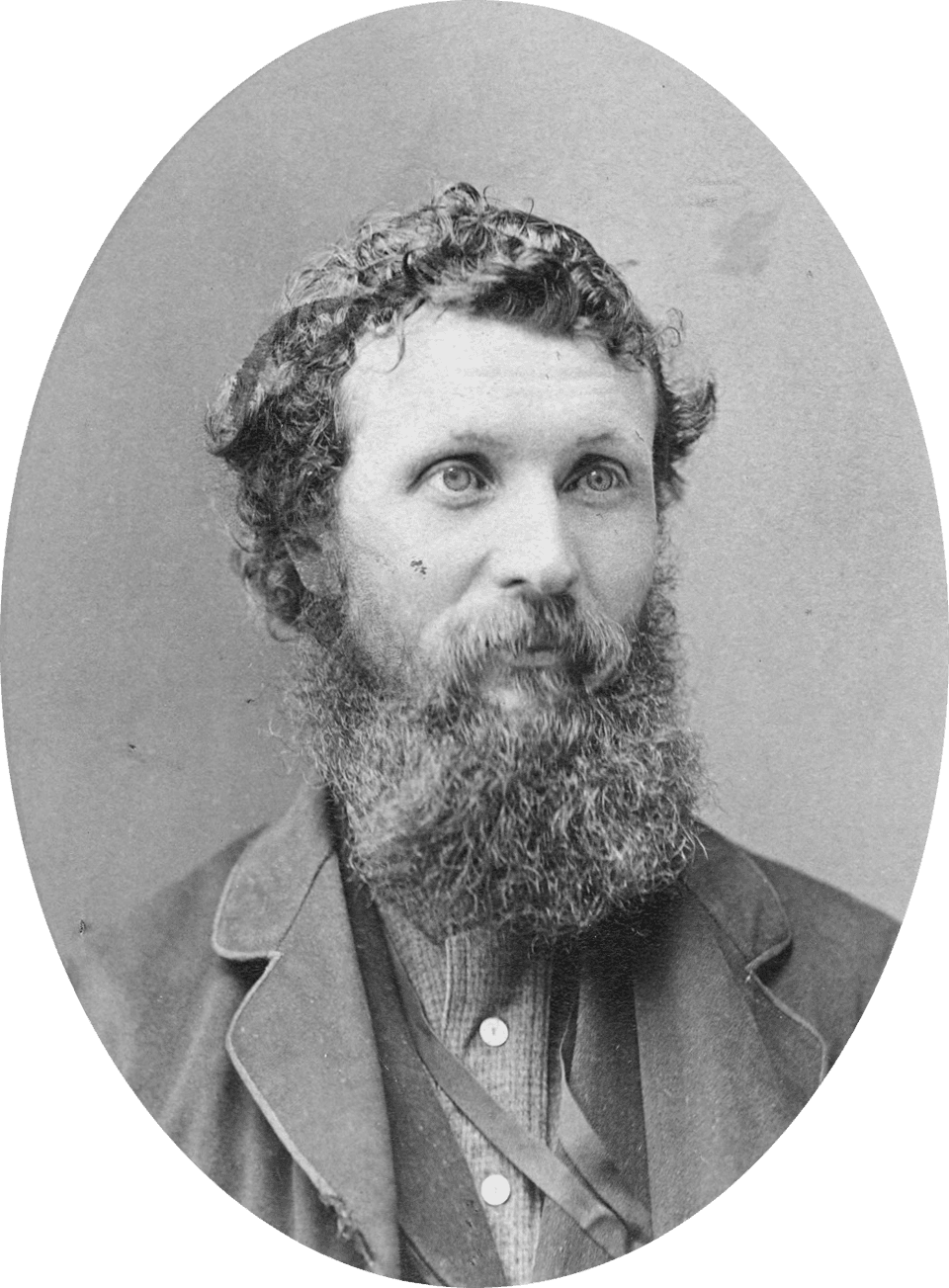
That's the question John Muir drops in your lap with these four excerpts from Steep Trails, and he does it in sixteen minutes flat.
Sixteen Minutes of a Man Who Saw Geology as Poetry
Let me be upfront about what this is. This isn't the full Steep Trails collection - it's four excerpts, barely longer than the time it takes me to microwave leftover deep dish and pour a second cup of coffee. I listened to it during one of those late Sunday mornings where Denise was at her sister's and the apartment was quiet enough that I could actually hear Muir think.
And here's the thing about Muir - the man writes about rock formations the way my best students write about their first heartbreak. With absolute, reckless sincerity. He describes geological processes not as dry science but as narratives unfolding across millennia. There's a passage where he's examining the erosion patterns in what reads like a love letter to time itself - the way water and ice have sculpted landscapes with more patience than any human artist could manage. This is why we still read the classics. Muir didn't just observe nature; he genuinely believed the earth was telling a story, and he appointed himself its stenographer.
The prose deserves to be savored. Muir's sentences run long and looping, stacking image on image - wildflowers, then granite, then sky, then back to the lichen on the granite - in a way that mimics the actual experience of standing on a ridge and trying to take it all in at once. My students would hate this. I love it. There's no plot, no conflict in the traditional sense. Just a man walking through wilderness and refusing to be anything less than overwhelmed by it.
Michael Scott and the Challenge of Reading a Man in Awe
I'll be honest - I don't have a lot of specific data on Michael Scott's performance here, and at sixteen minutes, you're not getting a career-defining narration showcase. What I can say is that Muir's writing demands a particular kind of restraint from a narrator. The language is already so heightened, so stacked with descriptive energy, that overperformance would tip it into parody. The narrator understands that pause is punctuation - or at least, the material requires someone who does. At this length, there's barely enough time to settle into a rhythm before it's over, which is both the format's strength and its limitation.
The production is clean. No sound effects, no musical accompaniment. Just voice and text. For Muir, that's probably the right call. You don't need a string section when a man is describing how the Sierra Nevada was carved by ice.
The English Teacher's Dilemma: Is Sixteen Minutes Enough?
Here's where I wrestle with this one. As a piece of literature, Muir's writing is extraordinary - he's one of those rare nonfiction writers whose sentences I'd put on a syllabus next to Thoreau and Annie Dillard. His direct activism helped save Yosemite. The man earned his place in the canon.
But sixteen minutes? That's an appetizer served on a dinner plate. You get just enough to taste Muir's voice, his geological obsession, his spiritual relationship with landscape - and then it's done. I finished it and immediately wanted the full collection, which tells you it works as an introduction. But I can't pretend it's a complete meal.
If you loved Thoreau's Walden or Dillard's Pilgrim at Tinker Creek, this is their spiritual ancestor, compressed into something you could listen to while waiting for your coffee to brew. I had a similar reaction to Book of Art for Young People - another case where someone takes a massive, overwhelming subject and finds a way to make you feel it rather than just understand it. It's Muir's particular gift - making you feel the deep time of the earth in language that's simultaneously scientific and ecstatic.
For my 47 podcast listeners: yes, I'm planning a "Annotated Life" episode on nature writing now. Mom, try to stay awake for this one.
Who Gets the Most Out of This
Nature writing fans and Muir newcomers - this is your sampler platter. If you've never read Muir and want to understand why national parks exist, start here. If you're already a Muir devotee, this is too brief to justify spending a credit on. Find it through your library app or a streaming service. At sixteen minutes, it's essentially a long podcast episode, and pricing it like a full audiobook feels like charging museum admission to see one painting.
Worth Pausing the Faculty Meeting For - But Barely Long Enough to Count
Muir's writing is the real treasure here. The man saw the earth as a living document, and these excerpts capture that vision in concentrated form. But the brevity means you're getting a postcard from the wilderness, not the expedition itself. Beautiful postcard, though. Gorgeous, actually. The kind that makes you want to book a flight to Yosemite and apologize to a glacier for not visiting sooner.