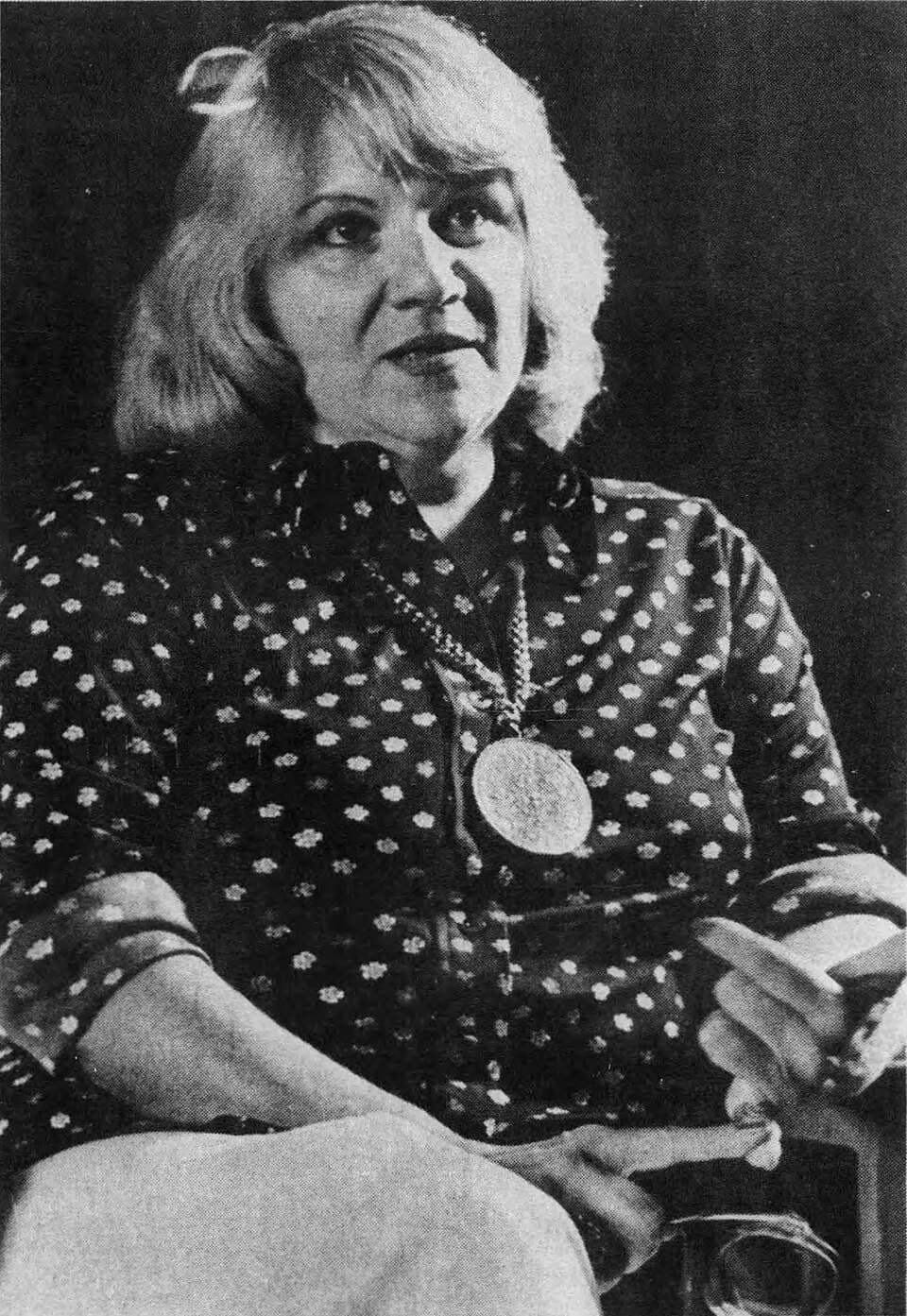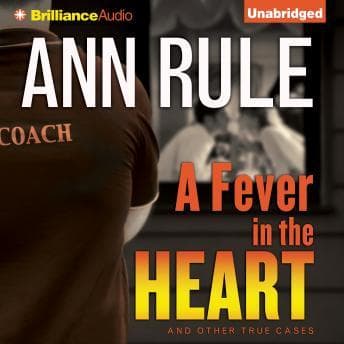

Ann Rule knew small towns. And she knew that the worst violence doesn't come from strangers - it comes from the people who sit across from you at dinner.
I was up past midnight with this one, sitting on the back porch in Austin while Ranger snored at my feet. Linda had gone to bed hours ago. Couldn't stop listening. Not because it's fast - it's not. This is a slow, methodical unraveling, the kind of investigation where you watch the pieces click into place like a briefing that finally makes sense at 0300.
The Love Triangle That Broke a Town
Let me cut to the chase. The core case here - set in Yakima, Washington - is about a wrestling coach, a football coach, and the woman between them. What makes it land harder than your average love-triangle-gone-wrong is how deeply Rule embeds you in the community. These aren't anonymous victims on a police blotter. You understand the Friday night lights culture, the way a small town elevates its coaches to near-mythic status, and how that elevation creates a pressure cooker nobody sees until it's too late.
Rule builds the case the way a good intelligence analyst would: layer by layer, source by source. She doesn't rush to the murder. She makes you understand the obsession first, the slow corrosion of boundaries, the moments where someone could've intervened but didn't. The "bizarre and deadly twist" the description promises? I won't spoil it, but I genuinely didn't see it coming - and I've read enough true crime to be pretty jaded about plot twists. When Rule reveals the full scope of what happened, you sit there thinking about how mundane evil can look from the outside.
The book also includes several shorter cases from Rule's personal files. Some of these hit harder than others. A couple felt like filler compared to the main event, honestly. But even the weaker entries have that Rule signature: she treats victims like people, not props. She remembers their hobbies, their kids' names, the car they drove. I've seen this approach in good after-action reports - the details that seem irrelevant are actually what make the whole thing real.
Merlington Keeps It Clean
Laural Merlington narrates this straight - no theatrics, no overwrought emotional manipulation. Her delivery is clear and professional, which is exactly what true crime needs. You don't want someone performing murder cases like a dramatic audioplay. You want a steady, confident voice that lets the facts do the heavy lifting, and that's what you get here.
Her emotional delivery is well-calibrated. When Rule's writing gets into the victim's perspective or a particularly grim detail, Merlington shifts just enough to acknowledge the weight without drowning in it. I appreciated that restraint. At 15 and a half hours, a narrator who overplays every beat would've been exhausting.
I will say - and this is minor - that at standard speed, the pacing of her read felt a touch deliberate for my taste. Bumped it to 1.25x and it hit the sweet spot. The audio production is clean. No pops, no weird level changes between chapters, no background hiss. Standard single-narrator setup, nothing fancy, nothing broken.
Where Rule's Method Works - And Where It Drags
Here's the thing about Ann Rule: her thoroughness is both her greatest strength and her occasional weakness. The main Yakima case benefits enormously from her deep-dive approach. You feel the cold of the Pacific Northwest, you understand the social dynamics, you grasp why the investigation stalled and what finally broke it open.
But some of the supplementary cases suffer from that same exhaustive treatment applied to stories that don't quite warrant it. By hour twelve, I found my attention wandering during one of the shorter cases - which is unusual for me. It's the collection format itself. The title case is strong enough to carry a full book on its own, and the supporting material, while competent, can feel like you're reading appendices after the main briefing.
If you're an Ann Rule completist, you'll appreciate having multiple cases. If you're new to her work, just know that the quality isn't perfectly even across the board. The Fever in the Heart case itself, though? That's A-game Rule.
Who Gets Value Here
True crime listeners who prefer methodical investigation over sensationalized gore - this is your lane. If you want the podcast-style rapid-fire pacing of more modern true crime, you might find Rule's approach too measured. But if you want to actually understand why people do terrible things, not just what they did, Rule earns your time.
Skip this if bad military metaphors bother you less than slow burns. This is a 15-hour commitment that rewards patience.
Ranger and I Have Reached Our Assessment
Worth your time? Here's the debrief: the main case is genuinely excellent true crime writing, Merlington handles it with the professionalism it deserves, and despite some uneven supplementary material, the package delivers. Not Rule's absolute best (I'd give that to "The Stranger Beside Me"), but solid work from someone who clearly did their homework and - more importantly - gave a damn about the people involved. Blowback scratched a similar itch for me - different territory, but that same sense of someone who actually cared about getting the story right rather than just getting it out fast. Ranger approved this one. Mission accomplished, with minor caveats.