
Look, I've spent years studying why people stay stuck in behavioral patterns that hurt them. Attachment theory, cognitive dissonance, the whole messy toolkit. So when I picked up a breakup book, I was ready to be annoyed by oversimplified advice. "Just love yourself!" "Time heals all wounds!" You know the type.
Susan Elliott's book isn't that. And honestly? I was surprised.
The Psychology Actually Tracks
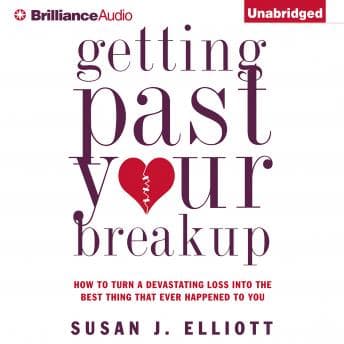
Here's what got me: Elliott doesn't just tell you to go no-contact with your ex. She explains why your brain keeps wanting to reach out - the intermittent reinforcement, the grief cycle, the way we confuse anxiety for love. As someone who's read approximately a thousand papers on attachment, I found myself nodding along during my morning jogs through Cambridge. She's not using clinical language, but the framework is solid.
The book structures recovery like actual grief work, which - yes, thank you - is exactly what a breakup is. You're grieving a future that won't happen, a version of yourself that existed in that relationship. Elliott gets this. She walks you through the stages without being preachy about it, and she's honest that it's going to suck for a while. No toxic positivity here.
What makes this particularly useful is the practical exercises. Journaling prompts, self-reflection questions, concrete strategies for when you're about three glasses of wine deep and considering texting your ex at 2 AM. (We've all been there. Or at least, my research subjects have. Definitely not me.)
Laural Merlington as Your Calm Friend
Merlington's narration is warm without being saccharine. She sounds like a friend who's been through it and came out the other side - not judgmental, not pitying, just... steady. When Elliott's writing gets into the harder emotional territory, Merlington doesn't oversell it. She trusts the material.
Now, I'll be honest: the pacing is on the slower side. I bumped it up to 1.25x speed about an hour in, and that felt right. Some listeners mentioned needing to adjust, and I get it. At normal speed, it can feel like you're being gently held hostage by a very patient therapist. Which, depending on your headspace, might be exactly what you need. Or it might make you want to scream.
The production is clean - no weird audio artifacts, no jarring transitions. It's the kind of audiobook you can listen to while cooking elaborate dal recipes that you'll eat alone (again, don't feel sorry for me, I prefer it) without missing key points.
Who Should Listen (And Who Should Skip)
Here's my assessment: this book is best consumed when you're in the acute phase of a breakup - maybe a few weeks in, past the initial shock but still very much in the "checking their Instagram at 3 AM" stage. Elliott's no-contact rules are strict, and they need to be. The research on this is clear: continued contact with an ex during the grief period extends recovery time significantly.
But I also think this works for people who've been through multiple failed relationships and are starting to notice a pattern. Elliott spends considerable time on why we pick the partners we pick, and she doesn't let you off the hook with "I just have bad luck." The protagonist of your love life - that's you - exhibits patterns. Understanding them is step one.
My therapist would have thoughts about some of Elliott's more prescriptive advice (she's not a fan of rigid rules), but I think for most people, structure helps when you're emotionally dysregulated. And breakups are nothing if not emotionally dysregulating.
Skip this if: you want validation that your ex was The Worst and you did nothing wrong, or you need a quick fix. Elliott asks you to look at your own stuff, which is uncomfortable. Necessary, but uncomfortable.
The Caveats
If you're interested in understanding relationship dynamics from the other angle - how attraction and influence actually work - Art of Seduction breaks down those patterns with clinical precision.
Also, if you're dealing with an abusive relationship, some of the advice about self-reflection might land wrong. Elliott does address this, but it's worth noting that abuse recovery has its own specific needs.
Would I Listen Again?
Probably not cover to cover - but I've bookmarked a few sections for reference. The chapter on grief work is genuinely useful, and I might recommend specific parts to friends going through it. (And let's be real, someone is always going through it.)
At just under seven hours, it's a reasonable investment. I finished it over about a week of morning runs, and by the end, I felt like I'd gotten something substantive. Not a miracle cure - those don't exist - but a solid framework for understanding why breakups hurt the way they do and what to do about it.
Susan Elliott knows her stuff. And Merlington delivers it like she means it. That's more than most self-help audiobooks can claim.