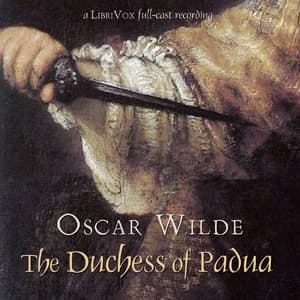

So there I was, sitting in the hospital break room at 4 AM, eating cold lumpia my mom packed me (yes, I'm 38 and my mother still sends me to work with food), and I decided to try something different. No thriller. No memoir. Oscar Wilde. A verse drama from the 1880s about revenge and love in Renaissance Italy. Because apparently sleep deprivation makes me adventurous.
I was not prepared for how much I'd care about these people.
Wilde Wrote a Tragedy and Nobody Talks About It
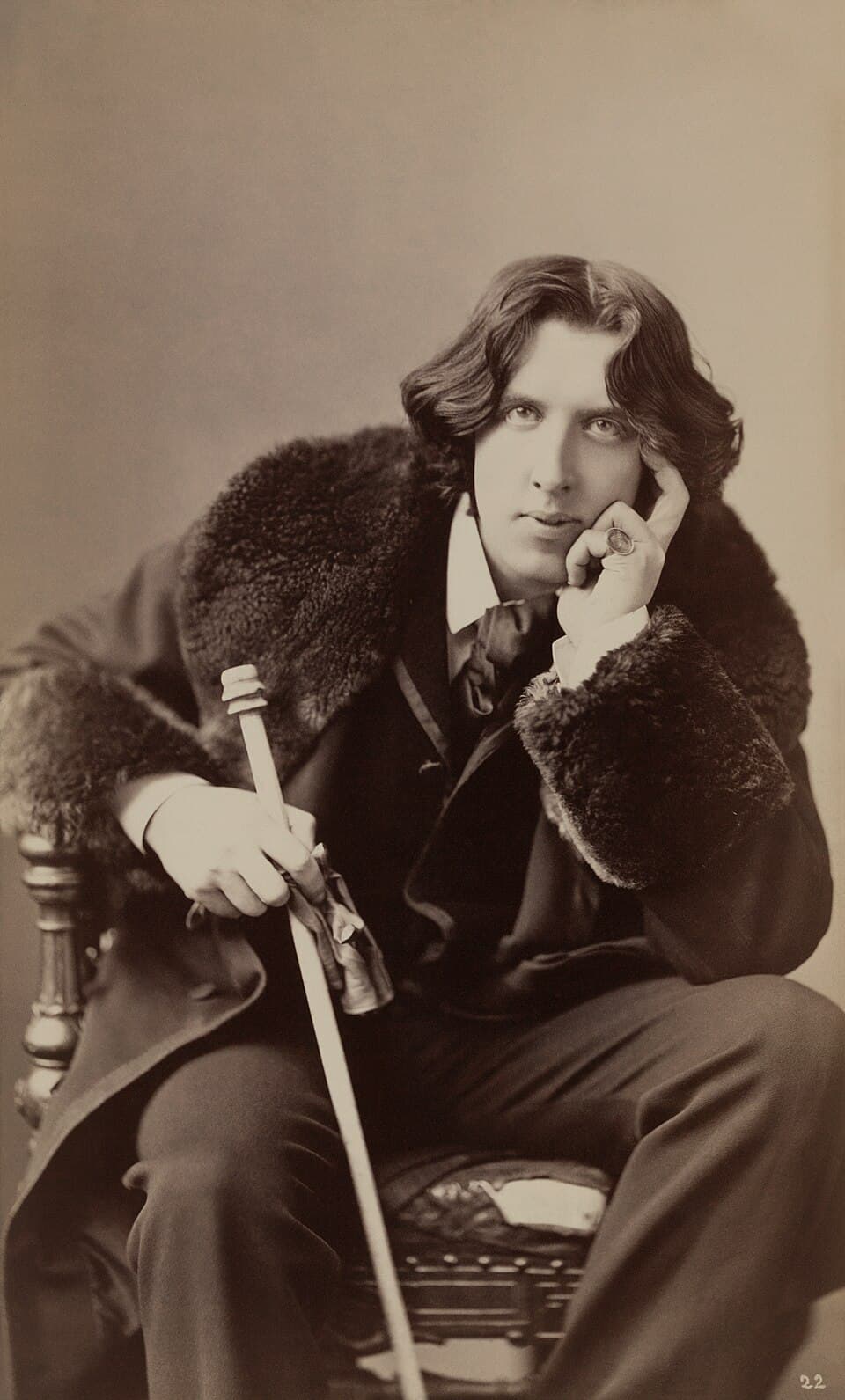
Here's the thing - everyone knows Oscar Wilde for his wit. The quips. The epigrams. The man who could make a room laugh while insulting everyone in it. But The Duchess of Padua is Wilde doing Shakespeare. Like, genuinely attempting Elizabethan-style blank verse tragedy, and honestly? It works more than it should.
Guido Ferranti shows up in Padua with his buddy Ascanio, learns the secret of his birth, and decides revenge is the move. Classic setup. But then he falls for his enemy's wife - the Duchess - and everything spirals into the kind of melodramatic disaster where nobody makes a good decision and everyone pays for it. The marketplace scene at noon in Padua sets this whole world up with enough poetic detail that I could picture the heat, the dust, the crowd. And when Guido and the Duchess finally confront each other about what they've done and what they're willing to do? My cold lumpia went untouched. That's saying something.
Wilde's language here is lush in a way that surprised me. It's not his drawing-room comedy voice. It's earnest. Almost painfully so. The five acts move fast - we're talking under two and a half hours - and the verse has this rolling momentum that carried me through my entire post-shift decompression without once reaching for the speed controls.
The Full Cast Actually Earns the Format
This is a LibriVox production, so let me set expectations properly: it's volunteer readers, not a professional studio gig. But the full cast approach was the right call here. Simone Gesso as the Duke brings this cold, entitled weight to the role - you can hear the man who treats his wife like property without him ever having to say it outright. And Arielle Lipshaw as the Duchess (who also edited the audio, respect) gives the character this quality that shifts from gentle to desperate as the play builds. The dramatic confrontation scenes between Guido and the Duchess actually land emotionally, which in a volunteer production is no small thing.
Is it flawless? No. There are moments where the energy between readers doesn't quite match - scene transitions where you feel the seams of a production recorded separately and stitched together. But for free? For a full cast tackling blank verse tragedy? I've heard worse from paid productions. Way worse.
When Wilde Gets the Human Heart Right
Here's what got me. And I wasn't expecting this. The Duchess's arc - a woman trapped in a terrible marriage who sees a chance at real love and then watches it twist into something violent and impossible - hit me in a way I didn't anticipate during a quiet night shift. I work with people on the worst nights of their lives. I've held hands with patients whose families made choices out of love that ended in catastrophe. Wilde understood that impulse. The play doesn't judge these characters for wanting something better. It just shows you what happens when wanting better collides with the ugliness already in motion.
Carlos asked why I looked weird when I got home. I told him Oscar Wilde made me feel things in a hospital break room. He just handed me coffee and didn't ask follow-up questions. Good man. That specific experience of being emotionally blindsided by something you weren't braced for - I wrote about it happening with November 9 too, though that one hit me in a very different way and I'm still not sure I've forgiven Colleen Hoover for it.
The melodrama is real, by the way. This is Victorian tragedy cranked up. People make speeches before dying. There are declarations of love that would make a telenovela writer say "tone it down." But Wilde's verse is good enough to earn most of it. Most.
Who Needs This in Their Ears
If you love Wilde's comedies and want to see what happened when he went dark and earnest - this is it. If you're into Shakespeare's tragedies and want a Victorian riff on that energy, you'll find something here. At two and a half hours, it's a low-commitment experiment. Perfect for a long drive or a quiet shift.
If you need polished studio production values, this isn't that. If melodramatic tragedy makes you roll your eyes instead of lean in, skip it.
But if you're open to it? There's real beauty in here.
Night Shift Prescription
This was a surprise for me. Not life-changing, not the kind of thing I'll push on every coworker. But a genuine discovery - Wilde's forgotten tragedy, performed by people who clearly cared about the material, consumed during the weird liminal hours when your defenses are down and poetry can actually get to you. My mom would love this. (She still thinks I should've been a doctor, but she's a sucker for doomed love stories.) Worth your time, especially since it won't cost you a dime.