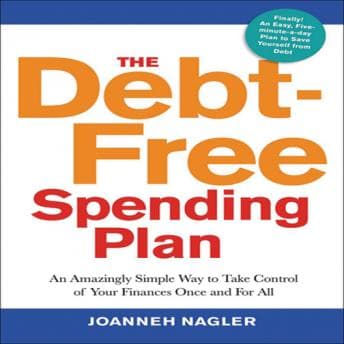

Look, I'll be honest - I started this audiobook at 6:47 AM on a Tuesday, wedged between a guy manspreading into my seat and someone eating what I can only describe as an aggressive breakfast burrito. Not exactly prime financial enlightenment conditions. But here's the thing: I actually retained stuff. That's... rare for money books.
Bottom Line: Worth your commute. This is basically Marie Kondo but for your bank account - practical, no-nonsense, and you can actually implement it without a finance degree.
The ROI on Seven Hours of Your Life
So here's my problem with most personal finance audiobooks: they could've been blog posts. Seriously. Eighty percent fluff about "mindset" and "your relationship with money" and like three pages of actual advice buried in there somewhere. Nagler doesn't do that. She gets to the actionable stuff fast, and Walter Dixon's narration keeps it moving without making you feel like you're being lectured by that one friend who discovered Dave Ramsey and won't shut up about it.
The core system is stupidly simple - and I mean that as a compliment. You allocate money as it comes in, not based on some fantasy budget you made in January and abandoned by February 3rd. As someone who's debugged enough production systems to know that complexity is the enemy of actually working, this approach made sense to my engineer brain. It's like... microservices for your finances? Each spending category is its own little contained unit. (Okay, that metaphor might only work for me.)
Why Walter Dixon Works Here
I couldn't find a ton about Dixon online - he's not Ray Porter-level famous - but his delivery fits this content perfectly. There's this relaxed confidence to his voice that makes financial advice feel less like "you're doing everything wrong" and more like "here's a reasonable path forward." The pacing is solid. No weird pauses, no dramatic inflections where they don't belong. Just clear, grounded narration that lets you absorb the information.
I bumped it to 1.5x around chapter three (my default for business books) and it held up fine. Could probably push to 1.75x if you're familiar with personal finance concepts already, but I wouldn't go faster than that - there are specific numbers and percentages you'll want to catch.
The Stuff That Actually Stuck
Three commutes in, and I found myself mentally categorizing my spending before I even finished the book. That never happens. Usually I finish a self-help audiobook, feel vaguely motivated for 48 hours, and then return to my regularly scheduled chaos.
The "daily spending" concept is the thing that clicked for me. Instead of these big monthly budget categories that feel abstract, you're working with daily numbers. How much can I spend today? That's a question my sleep-deprived 6 AM brain can actually process. It's like... breaking a monolith into smaller services. Easier to monitor, easier to debug when something goes wrong.
Nagler also addresses the inevitable overspending, which - thank you. Most budget books pretend you'll just... never slip up? She builds the recovery into the system. Girl, Stop Apologizing had a similar approach to building failure recovery into goal-setting, though it leaned heavier on the motivational side than I needed. That's good architecture.
Who Should Listen (And Who Should Skip)
If you're looking for investment strategies or wealth-building beyond "get out of debt first," this isn't it. It's specifically for people who are drowning and need a life raft, not a yacht. If you want entertainment value from your audiobooks, look elsewhere - Dixon is professional and clear, but he's not going to make you laugh or cry. This is utility listening, pure and simple.
Perfect for: train, gym, chores. Skip for: anything requiring emotional engagement.
Also - and this is minor - some of the specific examples feel a bit dated. The core principles are timeless, but when she mentions specific prices or scenarios, you can tell this was written a few years back. Doesn't break anything, just something I noticed.
The 6 AM Verdict
I've recommended this to two coworkers already. One of them is in that post-grad-school debt spiral that I remember way too well, and the other just bought a house and is panicking about money in that very specific new-homeowner way. Both of them needed something actionable, not another book telling them to "change their money mindset."
At seven hours, it's efficient. At 1.5x, it's a solid week of commutes. The system is simple enough that you can start implementing it before you even finish listening - I literally opened a spreadsheet on my phone during chapter four and started categorizing.
Is it going to change your life? Depends on how bad your current system is (or isn't). But as far as personal finance audiobooks go, this one respects your time and gives you tools you can actually use. And honestly? That's more than I can say for most books in this genre. The 50th Law is another rare example that cuts through the usual self-help fluff to deliver actual frameworks you can use.