"The truth has been hidden in this house for twenty-three years."
That line hit me somewhere around hour three, driving home from a particularly brutal night shift. Three codes, two traumas, one patient who grabbed my hand and asked if she was dying. (She wasn't. But she needed to hear it from someone who'd tell her the truth.) So when Sarah Leeson stands over a dying woman's bed, wrestling with whether to reveal a secret that could destroy lives - yeah. That landed different.
When Victorian Melodrama Actually Works
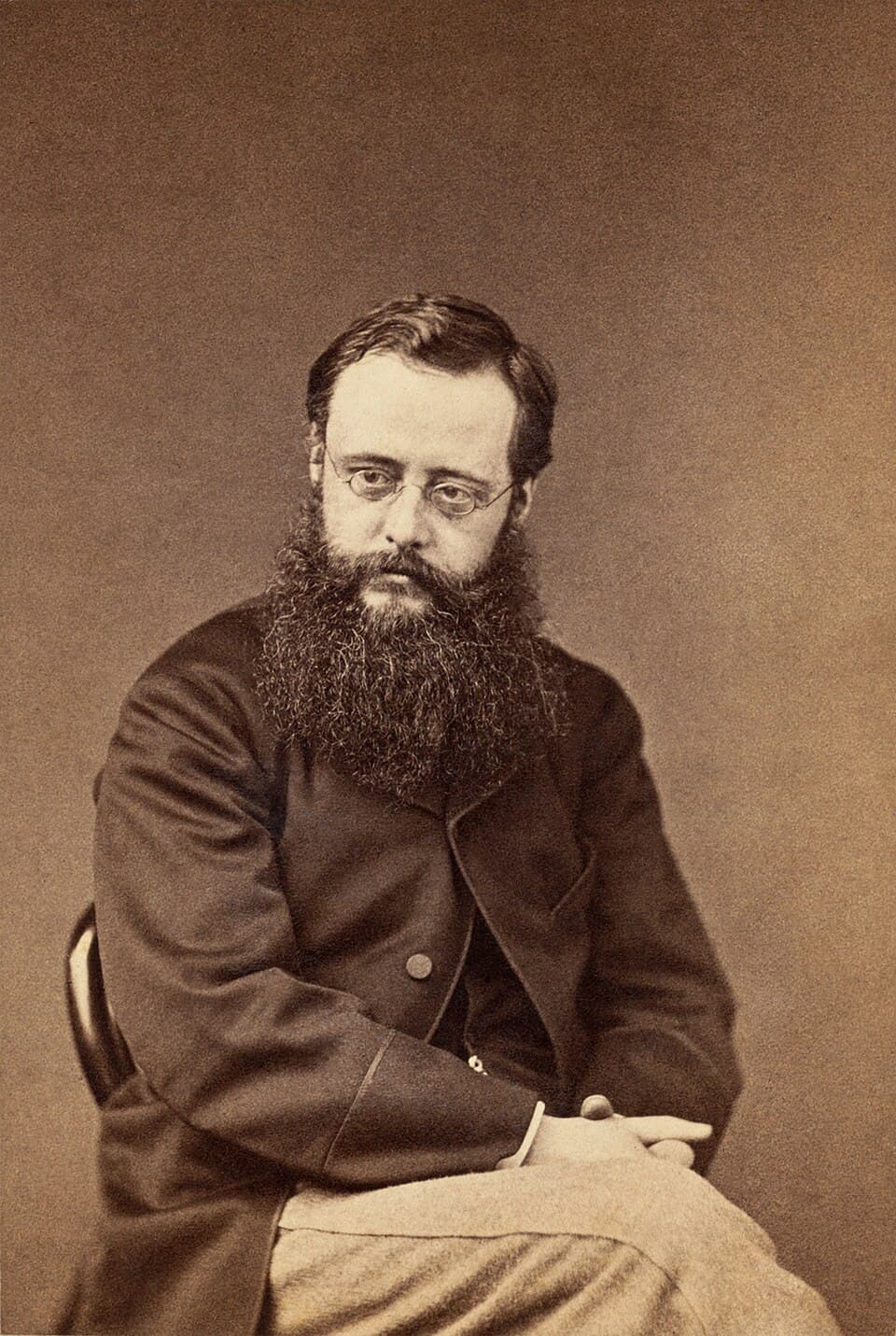
Look, I'll be honest. Wilkie Collins isn't at *The Woman in White* level here. This is earlier Collins, less polished, more sprawling. The plot takes its sweet time - we're talking sixteen hours of Victorian society drama, secret marriages, hidden identities, and a whole lot of people fainting on couches. All That Remains has that same deliberate build, though with a modern forensic edge instead of Victorian parlors. My night shift brain needed the pacing. Carlos would've been asleep by hour two.
But here's the thing: Collins understood something about secrets that most thriller writers get wrong. Secrets don't just sit there. They metastasize. They change the people who carry them. Sarah Leeson isn't just hiding information - she's been slowly destroyed by the weight of it for over two decades. As someone who's watched families keep medical secrets from each other ("Don't tell Mom about the diagnosis"), watched that silence eat people alive... Collins nailed it. The psychological toll is real, even wrapped in all that Victorian drama.
Seven Narrators, Seven Opinions
Multiple narrators. Seven of them, apparently. And honestly? The research I found is a mess - some sources mention Nicholas Boulton doing a solo version that's apparently phenomenal, but this Librivox-style production has Lillian Rachel, Amanda Friday, David Stifel, and others trading off chapters.
I can't tell you they all blend smoothly because they don't. Different recording qualities, different interpretation styles. Around hour eight, one narrator pronounced a character's name differently than the previous five hours had established, and I definitely said something unprintable at my dashboard.
But - and this is a big but - they keep the story moving. The shifts between narrators actually helped me stay awake during those 3 AM charting sessions when the unit was quiet. (Knock on wood. Always knock on wood.) New voice, new energy, brain re-engages.
The Medical Stuff (Yes, There Is Some)
Victorian medicine shows up here, and Collins does something interesting - he actually researched blindness for this book. Rosamond Treverton's husband is going blind, and Collins consulted with ophthalmologists of his era. The descriptions aren't Hollywood-dramatic. They're clinical, almost documentary-like. The slow loss, the adaptation, the fear.
This is not how modern medicine works, obviously. But for 1857? He tried. I respect that. I didn't yell at my dashboard once about the medical details, which is basically a five-star rating from me.
Who Should Listen (And Who Should Skip)
If you want fast-paced thriller energy, skip this. Something like Nowhere Safe would be more your speed - FBI suspense that moves. Go listen to something with chapters under fifteen minutes and a body count.
But if you're a night shift worker who needs something to keep your brain occupied without spiking your cortisol at 4 AM? If you appreciate slow-burn psychological tension over jump scares? If you've ever kept a secret that felt like it was eating you from the inside? This works.
My mom would love this, actually. She's been on a Victorian novel kick since she retired, and she still thinks I should've been a doctor. Collins writes about class, about duty, about what we owe our families versus what we owe ourselves. Very Filipino themes, honestly, even wrapped in English countryside drama.
Clocking Out
Is this Collins at his best? No. *The Woman in White* exists, and this isn't that. The multiple narrator situation is uneven. The pacing requires patience that not everyone has.
But I finished all sixteen hours. I cared about Sarah Leeson and her impossible choice. I understood why she did what she did, even when it was wrong.
Carlos asked why I was sitting in the driveway for an extra ten minutes last Tuesday. I blamed the ending. He believed me because he's heard me cry over audiobooks before.
The truth has been hidden in this house for twenty-three years. Sometimes that's the scariest thing a book can say.