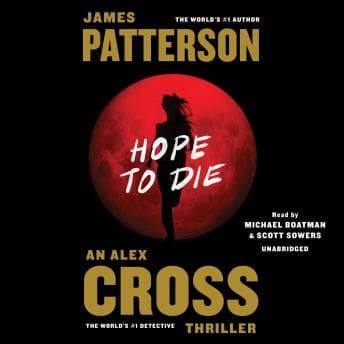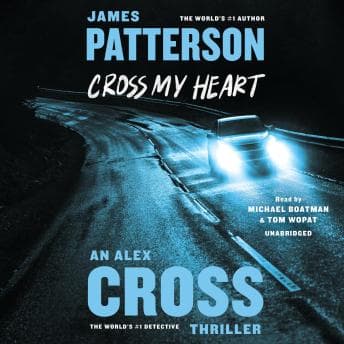

Let me cut to the chase: Patterson finally figured out how to get under Alex Cross's skin in a way that actually works. And honestly? It got under mine too.
I picked this one up during a long drive to Houston for a client meeting - four hours of Texas highway, Ranger sleeping in the back, and a villain who made me check my rearview mirror more than once. That's not hyperbole. The antagonist in this book isn't your standard criminal mastermind spouting off about how clever he is. He's methodical. Patient. The kind of threat we actually trained to identify - the ones who study you before they strike.
When the Stakes Actually Mean Something
Here's what Patterson gets right this time: he doesn't just threaten Cross's family in the abstract. He makes you feel the weight of it. Cross has always been the guy who walks into danger because he's good at his job, but this book flips that. His competence becomes a liability. Every move he makes, the bad guy anticipated three moves ago.
I've seen this scenario play out in real life - not exactly like this, obviously, but the psychological warfare aspect? The way someone can use your strengths against you? That's real. Patterson clearly did his homework on how to construct a threat that feels genuinely inescapable. The pacing is relentless in that signature Patterson way, but it's earned here. I Am Pilgrim uses that same breathless pacing to build dread, though it takes a more global approach to the threat. Short chapters, constant cliffhangers - usually that stuff feels like a gimmick. Here it mirrors Cross's mental state. He can't catch his breath. Neither can you.
The Voice That Sells It
Michael Boatman handles Cross, and Tom Wopat takes the villain. Smart choice splitting it up like that. Boatman's been doing Cross for a while now, and he's got the character's rhythm down cold - the family man warmth, the detective's focus, the barely-contained fear when everything starts falling apart. There's a scene where Cross is trying to hold it together in front of his kids while his world is crumbling, and Boatman nails that quiet desperation. Hit different for me. (Don't tell Linda I said that.)
Wopat's villain voice is... look, it's unsettling. Cold. Calculated. Not theatrical evil, just this flat certainty that he's already won. The contrast between the two narrators creates this tension that a single narrator couldn't pull off. When you're switching between Cross's perspective and the antagonist's, you feel the power imbalance.
The secondary characters? Yeah, they blur together a bit vocally. Bree, Nana Mama, the kids - they're all there, but the vocal distinction isn't as sharp. Minor issue in the grand scheme, but worth noting.
Where It Lost Me (Briefly)
There are a few investigative sections in the middle that drag. Patterson's doing the police procedural thing, and while it's necessary for the plot, my attention wandered. Bumped it to 1.25x through those parts and didn't miss anything crucial. The book recovers fast - Patterson knows how to pull you back in before you zone out completely.
Also, and this is a personal gripe: some of the tactical elements are hand-wavy. When you've actually done threat assessment for a living, you notice when the "genius" villain's plan has some pretty obvious holes that a competent security team would catch. But that's me being nitpicky. For most listeners, it'll read as tight and clever. 20th Victim has some of those same tactical shortcuts, but Patterson's later work shows he's tightened up the procedural details.
Mission Debrief
Worth your time? Here's the debrief: This is Patterson operating at his best - high stakes, personal threat, and a villain who actually earns the "mastermind" label. The dual narration elevates it significantly. Boatman and Wopat complement each other in a way that makes this feel more like a thriller movie than a standard audiobook.
Best for long drives, workouts, or any situation where you want your heart rate slightly elevated. Skip if you need distinct voices for every character or if psychological terror isn't your thing.
Ranger approved this one. He perked up during the tense scenes, which is his version of a five-star review.