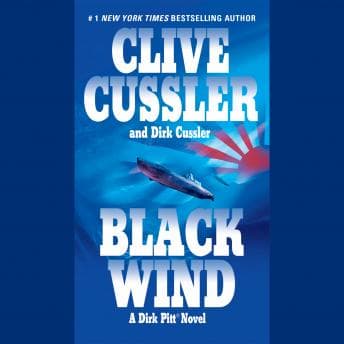

How many times can Clive Cussler save the world from a doomsday weapon before it stops being fun?
Honest answer? I'm not sure we've hit that number yet. I knocked out Black Wind over about three days of windshield time driving between client sites in San Antonio and Houston, and look — nobody picks up a Dirk Pitt novel expecting Dostoevsky. You pick it up because you want submarines, explosions, and a square-jawed hero who somehow always arrives thirty seconds before catastrophe. On that front, mission accomplished.
Japanese Bio-Subs and the Cussler Formula
The setup here is actually one of the better Cussler premises. Two Japanese submarines carrying a biological weapon are dispatched toward the American West Coast in the final days of WWII. Neither makes it. Fast forward to present day, and someone's figured out where those subs ended up — and what they were carrying. The biological threat angle gives this one a nastier edge than some of the more treasure-hunt-focused Pitt novels. There's a genuine menace to the idea that a forgotten wartime bioweapon could be weaponized again decades later, and the Cusslers (Clive and his son Dirk co-authored this one) do a decent job connecting the WWII prologue to the modern conspiracy.
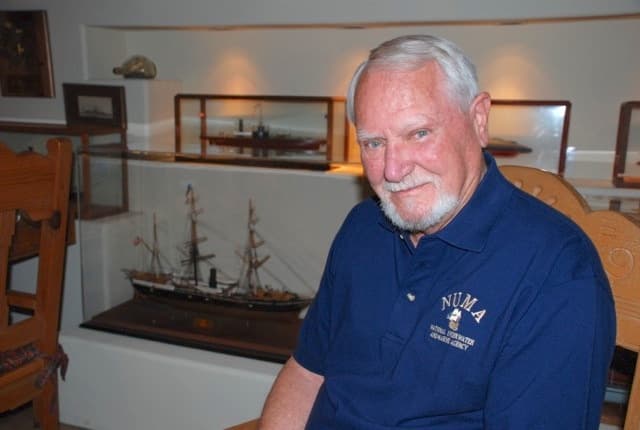
But let's be honest about what this is. The villains are cartoonishly evil. The coincidences stack up like Tetris blocks. Dirk Pitt, now running NUMA, conveniently has two adult children — Summer and Dirk Jr. — who happen to stumble into the exact right places at the exact right times. If you're the kind of reader who needs plausibility, this book will drive you up a wall. Some folks have called it far-fetched, and yeah, that's fair. But Cussler has always operated in that zone between Tom Clancy and Indiana Jones, and if you've read more than two Pitt novels, you already signed that social contract.
What I appreciated is the detail around the Japanese submarine operations and the biological warfare program. The author clearly did their homework on the I-403 class submarines and the actual Japanese balloon bomb and biological warfare research (Unit 731, though they don't name it explicitly). That historical grounding makes the fictional parts go down easier. I've seen this scenario play out in real life — well, not the bioweapon part, thank God — but the idea of forgotten ordnance from old conflicts creating modern crises is absolutely real. We dealt with unexploded ordnance concerns constantly in theater.
This is where it lost me a bit: at nearly 16 hours, the book feels padded in the middle sections. There are stretches of technical exposition about ocean currents and weather patterns that serve the plot but slow the pacing to a crawl. Around the 8-9 hour mark I was genuinely considering bumping to 1.5x, and I'm already a 1.25x listener. The final third picks back up with a genuinely tense sequence involving the weapon deployment, but you have to push through some dead air to get there.
Scott Brick Does What Scott Brick Does
Scott Brick is basically the default voice of Clive Cussler at this point, and there's a reason for that. His delivery is clean, steady, and authoritative — exactly what you want for a globe-trotting adventure novel. He doesn't do wild vocal gymnastics between characters, which means some dialogue exchanges require you to track who's talking through context. But his tone shifts enough between Pitt Sr.'s weathered confidence and Dirk Jr.'s younger energy that you can follow it.
Brick's real strength is that he never gets in the way. He reads the action sequences with just enough urgency without going theatrical. The WWII submarine sequences at the beginning benefit from his measured, almost documentary-style delivery. It's straightforward narration — no sound effects, no music, just a guy who knows how to read a sentence. For this kind of book, that's exactly right.
Who's This For (And Who Should Keep Driving)
If you're already a Cussler fan, you know what you're getting and you'll enjoy the ride. If you've never read a Pitt novel, this isn't the worst entry point — the kids are new characters, so you're learning alongside them — but I'd probably point you toward Sahara or Raise the Titanic! first. If you need your thrillers grounded in strict realism, skip this entirely. This is popcorn. Good popcorn, butter and everything, but popcorn. The last time I read something that demanded strict realism and delivered it with actual literary weight was Angles of Attack — tighter, grittier, and zero butter.
Worth Your Time? Here's the Debrief
Solid Cussler. Not his best, not his worst. The WWII bioweapon premise elevates it above some of the more forgettable entries in the series, and Scott Brick keeps the 16 hours moving even when the plot sags in the middle. Ranger slept through a fair amount of it, but he perked up during the submarine sequences, and honestly, same. Worth a credit if you're working through the Pitt series. If you're cherry-picking, there are better ones to grab first.