
I was debugging a particularly nasty race condition at 2AM when I finally admitted I wasn't going to sleep anyway. So I put this on, made some tea, and sat in my dark apartment thinking about patterns. Not code patterns—relationship patterns. The kind that make you wonder why your brain keeps running the same buggy subroutine. Beyond Good and Evil explores similar loops in human behavior, though Nietzsche would probably roll his eyes at self-help frameworks.
Look, I'm not the target audience here. My relationship with Kevin is solid (he brings me boba during on-call weekends, which is basically love language fluency). But a friend asked me to listen to this because she was considering it, and honestly? I'm glad I did.
The Actual System Under the Hood
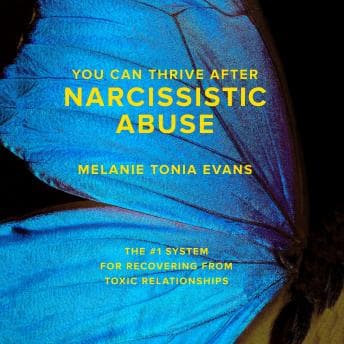
Bottom Line: This isn't your standard "just leave and do self-care" advice book. Evans actually provides a framework—what she calls Quanta Freedom Healing—that's more like a debugging process for your emotional operating system. The core argument is that narcissistic abuse creates subconscious programming that keeps you vulnerable, and you need to identify and replace those patterns rather than just intellectually understanding them.
The exercises are concrete. Not "journal about your feelings" vague—more like step-by-step processes for identifying triggers, releasing trauma from your body (sounds woo-woo, but she explains the neuroscience), and literally reprogramming your responses. As someone who appreciates actionable frameworks over motivational fluff, this hit different.
Here's the thing though—and this is where my engineering brain got twitchy—there's a lot of selling happening. Like, a LOT. Every few chapters, she's pitching her online NARP program. I get it, she runs a business, but by hour 6 I was internally yelling "I already bought the book!" It's like those technical books that keep referencing the author's expensive workshop. Annoying, but doesn't invalidate the content.
Coleen Marlo Does the Heavy Lifting
The narration is... fine? Marlo has a calm, steady delivery that works for trauma-adjacent material. You don't want someone too perky reading about emotional abuse recovery at 3AM. She paces the heavier sections well, giving you room to breathe. But I couldn't tell you anything distinctive about her performance—no accent work, no memorable character moments (it's not that kind of book). She's a competent vehicle for the content. Sometimes that's exactly what you need.
At 9 hours, it's a solid week of commutes. I actually listened at 1.25x instead of my usual 1.5x because some of the concepts needed processing time. The exercises especially—you can't really speed through those.
The ROI Calculation
Here's my honest assessment: if you've been through narcissistic abuse and you're stuck in that loop of understanding what happened intellectually but not being able to move past it emotionally, this book offers tools I haven't seen elsewhere. The "thrive not just survive" framing isn't just marketing—she's actually distinguishing between coping mechanisms and genuine healing.
But if you're looking for a general self-help book or you're just mildly interested in the topic? The sales pitches will drive you nuts and the framework is specifically designed for abuse survivors. It's not a casual listen.
Who Gets Value Here (And Who Doesn't)
Grab this if: You're recovering from a relationship with a narcissist, you've tried the "just move on" approach and found it doesn't stick, and you want exercises rather than just explanations. Bonus points if you can tolerate some upselling for genuinely useful content.
Skip if: You're a casual listener, looking for general relationship advice, or anyone who gets ragey at in-book advertising (valid, honestly).
End of Debug Session
I texted my friend at 4AM: "It's legit. Ignore the sales pitches, do the exercises." She's three chapters in now. Sometimes the best recommendations come from debugging sessions that turn into unexpected therapy.