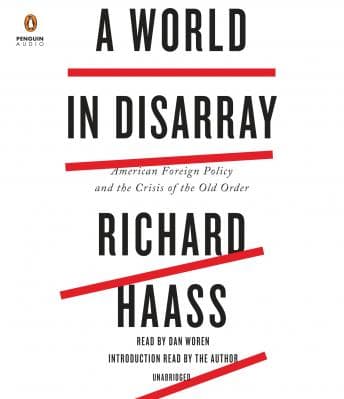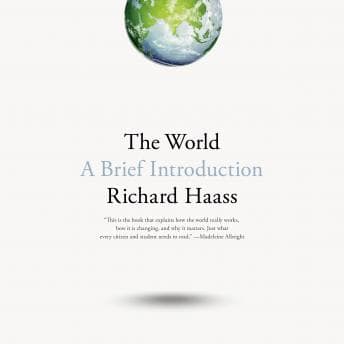
Most people who've picked this up seem to treat it like a textbook - something to get through, check a box, feel informed. I came at it differently. I've sat across tables from people who've actually shaped some of what Haass describes - State Department types, CENTCOM planners, the occasional spook who drinks too much at conferences. So I wasn't looking for validation. I was looking to see if Haass could explain the world to someone who's watched pieces of it burn.
Short answer: he mostly can.
The Intel Brief You Actually Needed in High School
Haass spent years as director of Policy Planning under Colin Powell - a man I respect enormously - and that background shows in how this book is structured. It reads like a well-organized operational brief. Region by region, concept by concept. Here's the terrain, here's the history, here's why it matters to you sitting in suburban America thinking none of this applies to you.
The chapter structure is genuinely useful. He doesn't just dump geography on you - he connects the dots between, say, why Pakistan's relationship with India shapes everything about how we fight in Afghanistan, or why European integration isn't just an economics story but a war-prevention story. That kind of connective tissue is exactly what's missing from most cable news coverage, and Haass delivers it without making you feel stupid. The Journey of Crazy Horse: A Lakota History does something similar for a chapter of American history most people think they understand but don't - connecting the dots between policy, geography, and human cost in a way that reframes everything you thought you knew.
I was driving back from a client meeting in San Antonio when he walked through the Middle East section - specifically the part about how arbitrary colonial borders created countries that were really just lines drawn by Europeans who'd never set foot in the region. I've seen that scenario play out in real life. Spent enough time in Iraq watching sectarian fault lines that Sykes and Picot basically drew with a ruler in 1916 tear apart communities. Haass explains the backstory clearly enough that someone with zero background would understand why the map is the problem. That's not easy to do.
The globalization chapters are where he earns his paycheck. His breakdown of how interconnected financial systems, supply chains, and information networks create vulnerabilities - not just opportunities - is the kind of framing I wish more of my corporate clients understood before they call me in a panic about their overseas operations.
Where the Briefing Gets a Little Thin
Here's where it lost me a bit: the book is explicitly designed to be evergreen, and that ambition occasionally makes it feel like it's hovering at 30,000 feet when you want boots on the ground. The COVID references already feel dated. The cyber section, while solid conceptually, moves fast enough that anyone wanting actual depth on state-sponsored cyber operations will need to look elsewhere.
And Haass is - let's be honest - a card-carrying member of the foreign policy establishment. His worldview is fundamentally multilateralist, institutionalist, rules-based-order. I don't entirely disagree with him, but there are moments where you can feel him pulling punches on American foreign policy failures. The Iraq analysis, for someone who was in the building when those decisions got made, is diplomatically... diplomatic. I'd have appreciated a harder look in the mirror.
Dan Woren's narration is clean and professional - exactly what you want for a book like this. No distracting affectations, clear pronunciation of foreign names and places (which matters more than people realize - nothing breaks your focus like a narrator mangling 'Fallujah'). He keeps a consistent pace that works well at 1.25x. Ranger didn't object, which is his version of a passing grade.
Field Manual or Dinner Party Prep?
Let me cut to the chase on who this is for. If you've never had a reason to understand why Kashmir matters or what the WTO actually does, this book will genuinely change how you read the news. That's not a small thing. Haass has written the foreign policy equivalent of a solid NCO handbook - not the deepest document ever written, but the one you actually want in the hands of someone new to the mission.
If you're already in the weeds on international relations, you'll find it useful as a refresher or a loan-to-a-friend situation rather than required reading. My brother-in-law, who thinks foreign policy begins and ends with whatever's on Fox News, needed this book. I've already told him to get it.
At 10 hours, it's a couple of long drives. Worth the windshield time. Mission accomplished - with a few friendly-fire reservations about the author's establishment blind spots.





![Steve Jobs [unabridged audiobook] audiobook cover](/_next/image?url=https%3A%2F%2Fcovers.audiobooks.com%2Fimages%2Fcovers%2Ffull%2F9788499923406.jpg&w=1920&q=75)