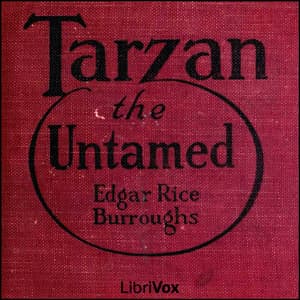

Look, I grabbed this one on a whim during a long drive to Houston for a client meeting. Figured some old-school adventure might keep me sharp through the cattle country monotony. And honestly? Tarzan the Untamed delivered exactly what it promised - raw, primal vengeance with a side of WWI chaos.
Here's the debrief: Tarzan comes home to find his farm destroyed, his wife apparently dead, and German soldiers responsible. What follows is basically a one-man counter-insurgency operation through East Africa. The ape-man goes full tactical, tracking down his enemies with the kind of methodical patience I've seen in the best operators I ever worked with. Burroughs may have been writing pulp fiction in 1920, but the guy understood something about the psychology of a man pushed past his breaking point.
When Civilization Gets Stripped Away
This is where Burroughs actually surprised me. The transformation from English lord back to jungle predator isn't just a plot device - it's handled with real psychological weight. Tarzan doesn't just get angry. He becomes something else entirely. I've seen that happen to men in combat, that moment when the rules stop applying and pure mission focus takes over. Burroughs captures it, even if he's dressing it up in adventure serial clothing.
The action sequences are relentless. Lions, German soldiers, hostile tribes, a crashed airplane, a lost city - Burroughs throws everything at his protagonist. And here's the thing: it never gets boring. Burroughs' other work Pellucidar has that same relentless energy, though it trades jungle warfare for underground civilizations. The pacing is actually solid, which isn't always the case with these older adventure novels. I found myself pushing through to the next chapter when I should've been reviewing my briefing notes.
The Voice Situation - Multiple Narrators, Mixed Results
So this version has several narrators - Ben Dooley, Patrick Lawlor, David Stifel, Rusty Nelson among them. It's a LibriVox production, which means volunteer readers. I've worked through other LibriVox productions like Tales of Terror and Mystery, so I knew what to expect going in. Let me cut to the chase: the quality varies. Some of these guys bring real energy to the material. The dramatic scenes hit hard, the action sequences move. Patrick Lawlor in particular has some credentials - Audie finalist, the whole deal.
But - and this is where I have to be honest - some of the character voices don't land. The female characters and African native voices can sound a bit... off. Silly, even. Though I'll say this: given that Burroughs was writing melodramatic adventure serials, it almost fits the vibe. These books were never subtle. They were meant to be exciting, over-the-top, and unapologetically pulpy.
Ranger perked up during a few of the more intense sequences, so the emotional delivery was clearly working on some level.
The Elephant in the Room
I'm not going to pretend this book doesn't have problems. The anti-German sentiment is intense - we're talking WWI-era propaganda levels of "the Hun." And the racial descriptions... yeah, they're a product of 1920. It's not comfortable reading by modern standards. But here's my take: you can acknowledge that something is historically problematic while still appreciating what it does well. This is a document of its time, for better and worse.
If you're going to get upset about early 20th-century attitudes, this probably isn't for you. But if you can contextualize it the way you'd contextualize any historical document - and I've read plenty of after-action reports from conflicts that make me cringe - there's genuine entertainment value here.
SITREP: Worth Your Time?
The cliffhanger ending caught me off guard. Genuinely didn't see it coming, and now I'm eyeing the next book in the series. That's the mark of effective adventure fiction - it makes you want more.
Best consumed during long drives, workouts, or any activity where you want your brain engaged but not taxed. The 11-hour runtime flew by faster than I expected. At 1.25x speed, it clips along nicely without losing the dramatic weight.
Who should listen: Fans of classic adventure, pulp fiction, or anyone curious why Tarzan became such a cultural phenomenon. Who should skip: If dated racial attitudes and WWI-era propaganda are dealbreakers for you, stand down on this one.
Ranger approved this one. Though he's still waiting for a book where the German Shepherd is the hero.