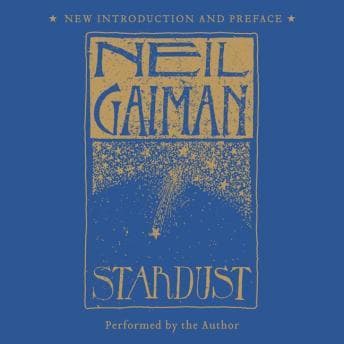

Why do we assume fairy tales are just for kids who haven't had their dreams crushed by a mortgage yet?
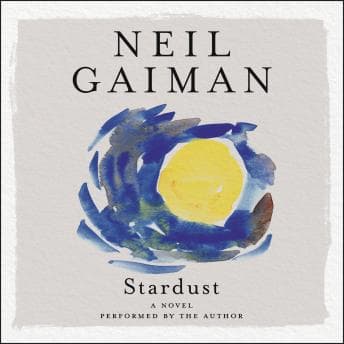
I was asking myself that somewhere around chapter three of Stardust, while pretending to grade a stack of sophomore essays on The Great Gatsby. (If I read one more paper describing Daisy Buchanan as "toxic," I'm going to lose it.) I needed an escape. Not the mindless kind, but the kind that feels like remembering something you forgot a long time ago.
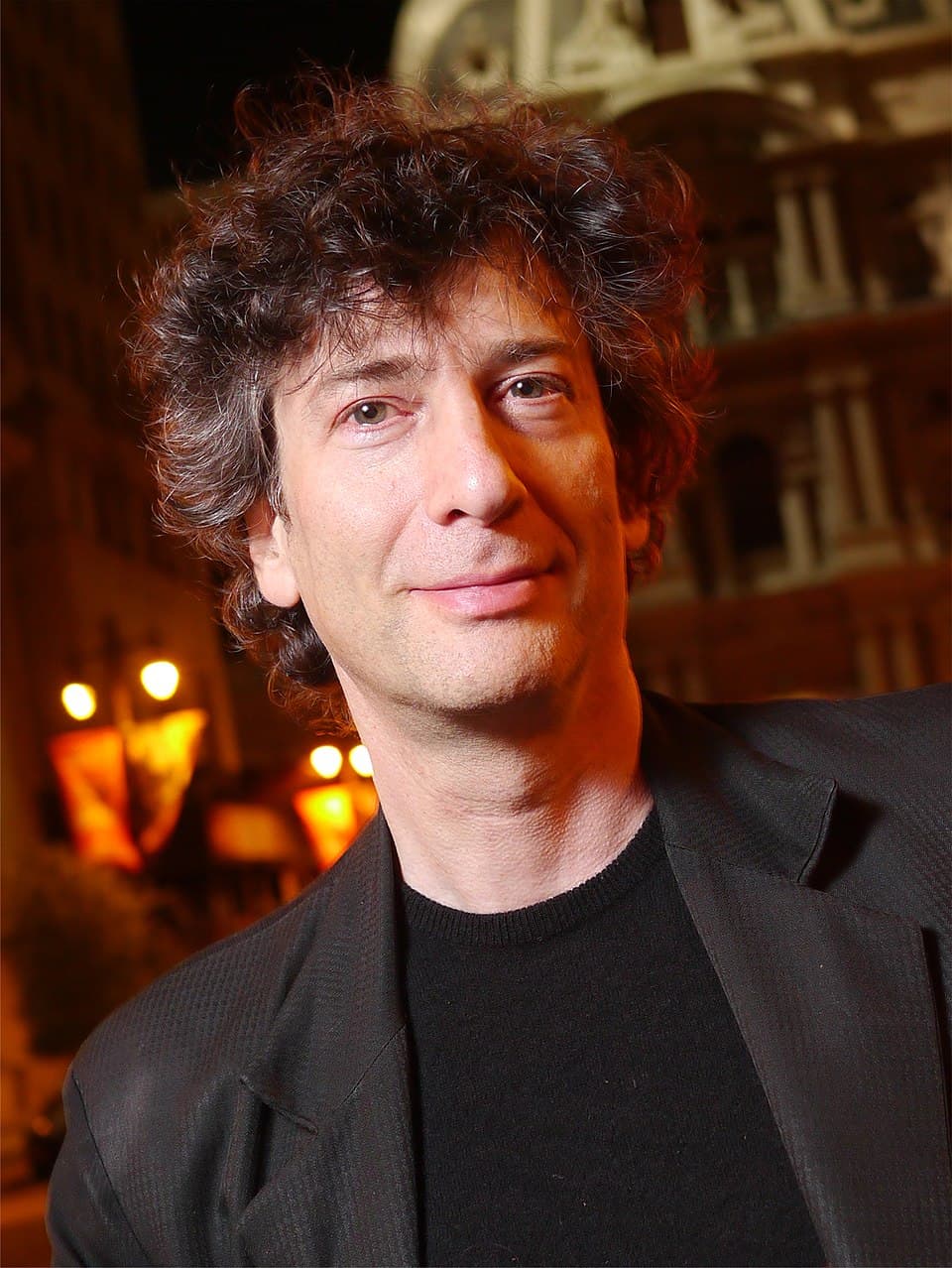
Neil Gaiman narrating his own work is... well, it's a specific flavor. And frankly, it's the only way this book should be consumed.
When the Author Actually Gets It
Here's the thing about author-narrated audiobooks: usually, they're a disaster. Writers belong behind keyboards, not microphones. They mumble, they rush, they don't know how to act. But Gaiman? He's the exception that proves the rule.
He doesn't just read the text; he performs the rhythm. His voice has this smoky, ancient quality—like a favorite uncle reading to you by a fireplace that's slightly too close to a dark, wolf-filled forest. Because he wrote the words, he knows exactly where the irony lives. He understands that pause is punctuation. There's a dryness to his delivery, especially in the dialogue, that a hired actor might've over-dramatized or turned into a cartoon. He treats the magic as mundane and the mundane as magical, which is exactly the point of the book.
(My mom would probably say he sounds "sleepy," but she falls asleep to Faulkner, so her opinion is invalid here.)
The Fairytale We Actually Deserve
If you've seen the movie—you know, the one with Robert De Niro dancing in a dress—wipe it from your brain for a second. Okay, don't wipe it completely, it's fun. But the book is... distinct.
Listening to this, I realized how much sharper the original story is. It's not a Hollywood rom-com wrapped in tinfoil. It feels like 19th-century folklore dug up from a peat bog. Gaiman pulls off that same mythic weight in American Gods, though that one's less peat bog and more roadside motel. The prose deserves to be savored—I listened at 1.0x because Gaiman's pacing is deliberate. The ending isn't the neat little bow the movie tied on it. It's bittersweet. It aches a little.
And honestly? That's better. The "happily ever after" feels earned because it isn't perfect. It reminds me of what Hemingway said about writing the truest sentence you know—even if that sentence involves a fallen star with a broken leg.
Where the Magic Might Fade
Let's be real for a second, though. If you're coming off a high-production fantasy with a full cast and sound effects, this might feel stripped down.
Gaiman isn't a voice actor with a range of fifty accents. His Victoria Forester sounds a bit like... well, Neil Gaiman speaking softly. His wicked witches sound like Neil Gaiman feeling raspy. If you need distinct, theatrical voices to keep track of who's talking, you might struggle. It didn't bother me—it felt like a bedtime story—but I can see my students zoning out because there aren't enough explosions in the audio mix. Skip this one if you need constant vocal variety to stay engaged; grab it if you want something that feels told rather than performed.
Class Dismissed
It's short—under seven hours. That's basically one week of commuting or two piles of grading. It's a palate cleanser. It's a reminder that we still read (and listen to) the classics—or future classics—because the real world is boring and sometimes you just need to hop over the wall into Faerie.
Worth pausing the faculty meeting for? Absolutely. (Just don't tell Principal Martinez.)