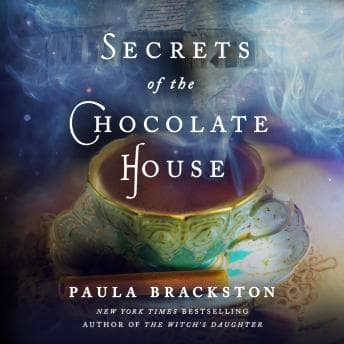

Look, I need to talk about this book, because I went in expecting something I'd half-listen to while pretending to debug my procedural terrain generator, and instead I ended up sitting at my desk at 1 AM with my headphones on, code editor untouched, fully invested in whether a woman from modern-day Wiltshire could save a 17th-century bookbinder from getting himself killed. Dr. Patel would be disappointed. I am not.
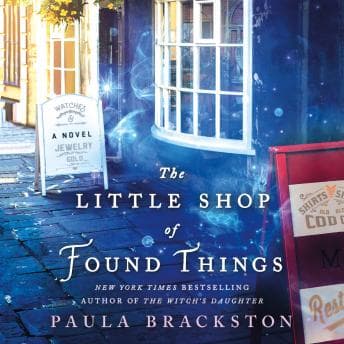
Here's the thing - I almost didn't pick this up. A time-travel romance with antique shop vibes? That's not exactly my wheelhouse. My shelves are stacked with Sanderson and Abercrombie. But my mom recommended the first book in the series (she's an Outlander person), and I figured I owed her after dodging three calls about my thesis timeline. And honestly? I'm glad I did.
The Magic System Is... Wait, Where's the Magic System?
Okay, this is where I had to recalibrate. If you're coming from hard magic systems where Brandon Sanderson has taught you to expect clearly defined rules, costs, and limitations - pump the brakes. Brackston's approach to Xanthe's psychometry (she hears antique objects literally singing to her, pulling her toward injustices that need correcting) is way more soft magic. The copper chocolate pot that triggers this book's adventure doesn't come with a stat block. There's no mana cost for time travel. And you know what? That's... fine? It works within its own framework. Xanthe's abilities expand in this second installment - she's learning to control her travel better, understanding the rules of engagement with the past - and there's a progression that scratches a specific itch even if it's not LitRPG levels of granular.
What Brackston does well is the historical texture. The 17th-century setting feels lived-in. She's clearly done her homework on Restoration-era England, and the chocolate house of the title isn't just set dressing - it's woven into the social politics of the period in ways that reminded me of good D&D worldbuilding. You know when a DM actually researches tavern culture instead of just saying "you walk into a tavern"? That energy.
Marisa Calin Is Doing the Heavy Lifting
So here's where I have to give credit. Steven Pacey walked so other narrators could run, and Marisa Calin is running a solid pace here. She's not doing Pacey-level character acting (nobody is, let's be real), but her differentiation between modern Xanthe and the historical characters is clean and consistent. Xanthe's contemporary voice versus the period-appropriate speech patterns of the 17th-century cast - you always know who's talking, and the tonal shift between timelines helps your brain switch gears without any friction.
The emotional delivery is where Calin really earns it. There's a thread running through this book about Xanthe's relationship with her mother Flora - Flora has mobility issues and Xanthe worries about leaving her alone when she travels to the past - and Calin handles those quieter domestic moments with the same care as the more dramatic beats. It's not showy narration. It's controlled. She's an Audie Award winner for a reason.
At 12 hours and change, this is a manageable listen. Not the 40-hour commitment of a Stormlight book. You could knock this out in a long weekend, and honestly, at 1.25x speed it moves at a really comfortable clip without losing anything.
The Antagonist Problem (And Why It Didn't Bother Me Much)
The book promises Xanthe will "meet her most dangerous adversary," and I'll be honest - the villain doesn't hit with the complexity I'd want from, say, a Bayaz or a Lord Ruler. This is a different kind of story, though. It's more about the tension between Xanthe's modern life and her calling to the past, the pull between Samuel (who she's trying to leave behind but obviously can't) and the world she actually belongs to. The stakes are personal rather than epic, and if you can meet the book on those terms, it works.
My D&D group would probably not pick this up on their own. But my mom? She'd love it. Though honestly Sarah already burned herself out on a different kind of soft-supernatural story when she lent me Perfect Hope last semester and I think she said the vibe was similar but less grounded historically. My friend Sarah who binges cozy fantasy between semesters? Absolutely her speed.
Who Gets the Invite
This is for you if: you like Outlander but want something shorter and less brutal, you enjoy antique shop settings with a supernatural twist, or you're a historical fiction fan who wants a touch of magic without going full epic fantasy. It's cozy. It's warm. The progression of Xanthe's powers across the series is satisfying in a way that'll keep you moving to book three.
Skip it if: you need hard magic systems, complex political intrigue, or morally gray characters doing terrible things. This isn't that book and it's not trying to be.
I Read This Instead of Writing My Thesis (Again)
I'm not going to pretend this book changed my life or rearranged my fantasy rankings. But it was a genuinely enjoyable 12 hours that reminded me not every listen needs to be a 1,200-page doorstopper with an appendix. Sometimes you just want a competent time-travel adventure with solid narration and a protagonist who feels like a real person. Calin's performance carries the quieter moments, the historical setting is well-realized, and the pacing never dragged. I'll grab book three. After I email Dr. Patel back. Probably.