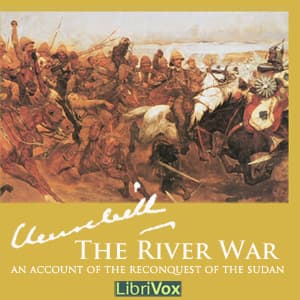

I was up at 0400 last Tuesday - old habit that never died - sitting on the back porch with black coffee while Ranger snoozed at my feet, and I had about three hours before my first client call. Perfect window for Churchill. And let me tell you, there's something about listening to a 25-year-old cavalry officer describe the tactical realities of desert warfare while watching the sun come up over Austin that just... works.
Let me cut to the chase: this is the real deal. Churchill wrote The River War before he was Churchill - before the speeches, before the cigar became a brand, before he saved Western civilization. He was a young lieutenant with the 21st Lancers who talked his way into a combat deployment (something I've seen ambitious junior officers attempt with varying success) and then had the audacity to write a two-volume account of the entire campaign. The kid had nerve. And talent.
A Junior Officer Who Actually Understood Logistics
What separates this from your average war memoir is that Churchill doesn't just write about the fighting. He spends serious time on the logistics of moving an army up the Nile - the railroad construction, the supply chain nightmares, the sheer mechanical challenge of getting men, horses, and ammunition through hundreds of miles of desert. I've seen this scenario play out in real life. Moving forces through hostile, resource-bare terrain is the part nobody wants to talk about because it's not glamorous. But Churchill understood at 25 what some generals never figure out: battles are won or lost before the first shot is fired, in the planning and the supply chain.
He breaks down Kitchener's methodical approach to the reconquest with real appreciation for the operational art involved. The way the Anglo-Egyptian force built a railway across the desert to support the advance - Churchill describes this not as boring infrastructure but as the decisive strategic move it was. The author clearly did their homework, though in this case the homework was living it.
The Charge at Omdurman Still Hits
The Battle of Omdurman is the centerpiece, and Churchill's description of the 21st Lancers' charge is genuinely electric. He rode in it. You can feel the difference between someone describing cavalry tactics from a library and someone who felt the horse underneath him and saw the dervish warriors rising from a hidden depression in the ground that nobody expected. The Lancers thought they were hitting a scattered skirmish line and instead crashed into a dense mass of fighters in a dry riverbed. Churchill's account of that moment - the sudden recognition that this was going to be much worse than planned - that's combat writing at its finest. No embellishment needed when the reality is that visceral.
But he's also honest about the aftermath. Churchill was critical of Kitchener's treatment of the Mahdi's tomb and some of the post-battle conduct, which took real guts for a junior officer looking to advance his career. That intellectual honesty runs through the whole book.
Mark F. Smith Behind the Mic
Now, the narration. Mark F. Smith handles 14 hours of Victorian-era military prose, which is no small task. Churchill's sentences can run long - the man never met a subordinate clause he didn't love - and Smith keeps them intelligible, which matters when you're parsing 19th-century British military terminology. He doesn't try to dramatize the battle scenes with vocal theatrics, which I appreciate. The material doesn't need help. His pacing is steady and measured, appropriate for what is essentially a military history rather than a thriller. I ran it at 1.25x and it landed perfectly - Smith's natural pace is deliberate enough that the speed bump keeps things moving without losing clarity.
That said, at 14-plus hours, this is a commitment. There are stretches - particularly the early political history of the Sudan and the detailed geography sections - where the density of the material will test your attention. This isn't a flaw in the narration; it's the nature of the source material. Churchill was being thorough. Sometimes too thorough.
Who Should Saddle Up (And Who Should Stand Down)
If you care about military history, colonial warfare, or just want to hear one of history's greatest communicators before he became great, this is worth your time. If you've served and dealt with the realities of expeditionary operations - the water, the heat, the supply problems - you'll recognize a lot here despite the 120-year gap. War in austere environments hasn't changed as much as we'd like to think. I had that same unsettling recognition reading Isaac Newton — that biography reminded me how the mechanics of obsessive, methodical minds solving hard problems don't really change across centuries either.
If you're looking for a quick listen or need constant action, this isn't your book. Large portions are strategic and political analysis. Important context, but not exactly page-turners.
Mission Debrief
Worth your time? Here's the debrief: The River War is young Churchill writing with the confidence of someone who's been shot at and the intelligence of someone who'd go on to lead a nation through its darkest hour. It's primary source history delivered by a participant who happened to be one of the English language's greatest prose stylists. Smith's narration is workmanlike and reliable - not flashy, but he doesn't get in the way, which with material this strong is exactly what you want.
Ranger approved this one. He perked up during the cavalry charge, which I choose to believe means something.






![Steve Jobs [unabridged audiobook] audiobook cover](/_next/image?url=https%3A%2F%2Fcovers.audiobooks.com%2Fimages%2Fcovers%2Ffull%2F9788499923406.jpg&w=1920&q=75)