
Look, I need to say this upfront: if one more author tells me the pandemic was hard, I'm going to throw my AirPods into the Pacific. We were ALL there. We KNOW.
I was listening to this at 11 PM on a Tuesday, couldn't sleep, Jenny already out cold, scrolling through my Audible library for something that wasn't another founder memoir or growth-hacking manifesto. Figured spiritual resilience might be the palate cleanser I didn't know I needed. My mom would've approved - she's been sending me Eldredge clips on KakaoTalk for months.
The Dry Cleaning Business Already Knew This
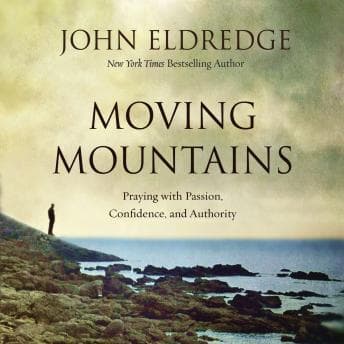
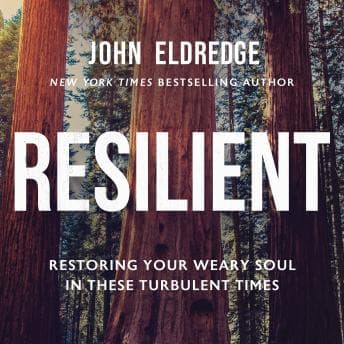
Here's the thing about John Eldredge's thesis: the soul gets beaten down by chaos and trauma, and recovery requires intentional spiritual practice rooted in Christ. That's the whole book. And it's... not wrong. But my parents figured this out in 1989 Koreatown without a publishing deal. Every Sunday at church, every prayer before the shop opened at 6 AM - that WAS their resilience framework. They didn't need a chapter-ending guided prayer to tell them to connect with God when things got hard. They just did it because the alternative was collapse.
That said - and I'm being fair here - not everyone grew up watching resilience modeled in real time. Eldredge is writing for people who maybe had the theological foundation but lost the muscle memory. The COVID framing feels dated already (this dropped in 2022, and honestly, most of us have moved on to newer anxieties), but the underlying mechanics of spiritual recovery are solid enough.
The key takeaway is worth the listen. The other 5 hours? That's where it gets shaky.
When the Author IS the Narrator, You Get Honesty and Repetition
Eldredge narrates his own book, and credit where it's due - the man sounds like a pastor who actually believes what he's saying. Not the polished mega-church delivery. More like a counselor across a coffee table. His voice cracks a little when he talks about watching people he loves deteriorate during lockdown. There's a warmth there that a professional narrator would've smoothed out, and I'm glad they didn't.
But here's my consultant brain kicking in: this book repeats itself. A lot. The "tap into the river of life" metaphor shows up so many times I started counting. The chapters ending with prayers are genuinely nice - they shift the tone from lecture to something more intimate - but the content between those prayers often circles back to the same three or four ideas wearing different outfits. At 6 hours 42 minutes, this could've been a tight 3-hour experience. I've seen pitch decks with better information density.
My 2.0x speed couldn't save this one. Not because it's bad - because the ratio of new insight to restated insight is maybe 40/60.
Who This Actually Serves (And Who It Doesn't)
Let me be direct. If you're an active Christian who's been feeling spiritually depleted - genuinely exhausted in a way that goes beyond "I need a vacation" - this book will feel like someone finally naming your problem. One listener called it "soul food," and yeah, I can see that. Eldredge has a gift for putting words to the vague spiritual fatigue a lot of believers carry but can't articulate. The stories of real people surviving real hardship (not just pandemic stuff, but genuine grit-and-survival narratives) land harder than the theological framework around them.
But if you're outside the evangelical Christian tradition, this is going to feel like being handed a prescription you can't fill. The advice is almost entirely rooted in a specific relationship with Jesus, specific prayer practices, specific scriptural interpretation. There's no on-ramp for skeptics or seekers. That's a choice, and it's a valid one, but it narrows the audience considerably. Tim Keller actually built that on-ramp in Making Sense of God: An Invitation to the Skeptical — same faith tradition, but he wrote the whole thing assuming you might not be convinced yet, which is a fundamentally different and more generous posture.
Jenny would say I'm being harsh. Jenny is right. But I'm also right that a book promising resilience tools should probably acknowledge that not every reader's toolbox looks the same.
The Billing Rate on This One
Bottom line: Eldredge is a sincere guide, and his self-narration adds an authenticity that a ghostwritten, professionally produced version would've lost. The prayers at chapter endings are the best part - skip ahead to those if you're short on time. The resilience framework itself is Christianity 101 dressed up in post-pandemic language, which is fine if that's what you need right now.
Worth it for the committed audience. For the rest of us, it's a 3-hour book trapped in a 6-hour body. Skip to chapter 5. Thank me later.