
I ugly-cried at school pickup. Like, mascara-running, sunglasses-on-even-though-it's-cloudy ugly-cried. And you know what? Worth it.
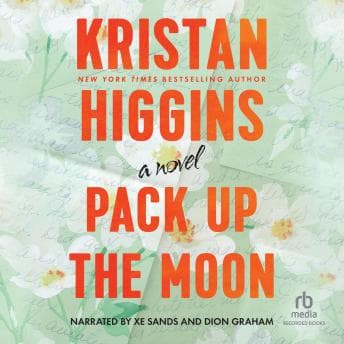
Look, I knew what I was getting into with this one. A book about a young wife dying and leaving letters for her husband? I'm not naive. But Kristan Higgins somehow made me forget I was supposed to be devastated. For long stretches, I was laughing. Actually laughing. In the Target parking lot. People probably thought I was losing it. (They wouldn't be wrong.)
Two Voices, One Gutting Story
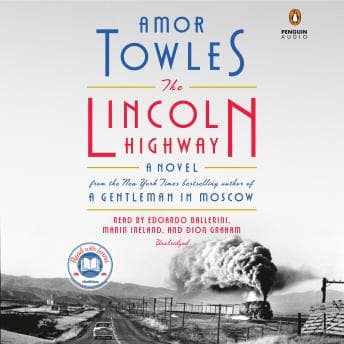
Okay, so here's the thing about audiobooks with two narrators—they can go really right or really wrong. Dion Graham and Xe Sands? They went really, really right. Graham voices Josh, and Sands voices Lauren, and the way they trade off chapters means you're constantly shifting between grief and memory, present and past. Graham also narrates Lincoln Highway, where he does this same incredible thing with multiple perspectives—though that one won't wreck you quite as hard. It's disorienting in the best way.
Sands brings this warmth to Lauren that makes you understand exactly why Josh fell apart when she died. She's funny and sharp and a little bossy—the kind of woman who would absolutely plan her husband's entire grief journey from beyond the grave. Because that's what she does. Monthly letters with tasks. Some sweet, some brutal, all designed to drag Josh back to the land of the living.
Graham, though. Graham broke me. There's this rawness to how he reads Josh's sections—the anger, the denial, the moments where Josh is just going through the motions because what else is there? I finished an entire school pickup loop once just sitting in the car because I couldn't walk into that building with tears streaming down my face.
When Grief Gets Funny (Yes, Really)
Higgins does this thing where she weaves humor into the heaviest moments without it feeling forced. Lauren's letters are sometimes ridiculous—she makes Josh throw a dinner party, which goes about as well as you'd expect for a grieving man who can barely feed himself. The psychic medium visit? I snort-laughed so hard Sophie woke up from her nap. (Fifteen minutes early. I'm still bitter.)
But the humor serves a purpose. It's not there to lighten the mood—it's there because that's how grief actually works. Promise does something similar with heavy emotions and unexpected lightness, though in a completely different setting. You're sobbing one minute and then something absurd happens and you're laughing and then you feel guilty for laughing and then you're sobbing again. Higgins gets it. The narrators get it.
The pacing is slower than my usual reads, I'll be honest. This isn't a book you race through. It took me almost two weeks, which is forever in my world. But it never felt like it was dragging—it felt like it was breathing. Like it needed that space to let the emotions land.
Bring Tissues (And Maybe Skip If...)
I'm not going to pretend this is an easy listen. If you've lost someone—especially a spouse, especially young—this might be too close. The terminal illness is front and center. You watch Lauren deteriorate. You watch Josh try to bargain with the universe. It's not subtle.
And there are moments that feel almost too intimate. Josh's anger, his inability to move on, the way he clings to Lauren's things—it's all so specific and real that I had to pause more than once. Not because I was bored. Because I needed a minute.
But here's what Higgins does that makes it bearable: she never lets you forget that this is ultimately a story about living. About finding your way back. About the fact that loving someone deeply means carrying them with you while still making room for what comes next.
Who This Is (and Isn't) For
This is not a multitasking audiobook. You can't half-listen while wrestling Sophie into her car seat or mediating Emma and Lucas's latest territory dispute. You need to actually pay attention. If you're looking for something light to zone out to during errands, keep scrolling. But if you can carve out the space—car time, nap time, those precious after-bedtime hours—and you want a good cry that actually leaves you feeling hopeful? It's worth it.
My book club would eat this up. (If I ever have time for book club again. Ha.) It's the kind of book that makes you want to talk about it, to process it with other people who've been through it too.
Just maybe don't finish it in the school pickup line. Learn from my mistakes.